The U.S. Air Force’s AI Ambitions: What to Expect in 2026
The U.S. Air Force (USAF) is on the brink of a transformative leap in its utilization of artificial intelligence (AI), with plans to enhance its capabilities by 2026. As AI continues to reshape industries and operations, the USAF’s aspirations are paving the way for groundbreaking advancements that not only streamline processes but also enhance operational efficiencies within military ranks. In this article, we’ll explore key AI opportunities identified by the USAF, the role of government contractors (GovCons), and insights from leading experts in the field.
Broadening AI Horizons: The USAF’s Vision for 2026
The USAF’s interest in AI isn’t just a passing trend; it represents a strategic imperative. As highlighted in a recent report by Military.com, the Department of Defense effectively harnessed AI technologies last year to improve areas like decision support, intelligence gathering, logistics, maintenance, and training. This trend is set to accelerate as the USAF sets its sights on enterprise-level access to large language models (LLMs) and refined AI workflows. These innovations are more than just technical upgrades; they symbolize a commitment to leverage AI as a critical asset in modern warfare.
The 2026 Defense R&D Summit: A Must-Attend Event
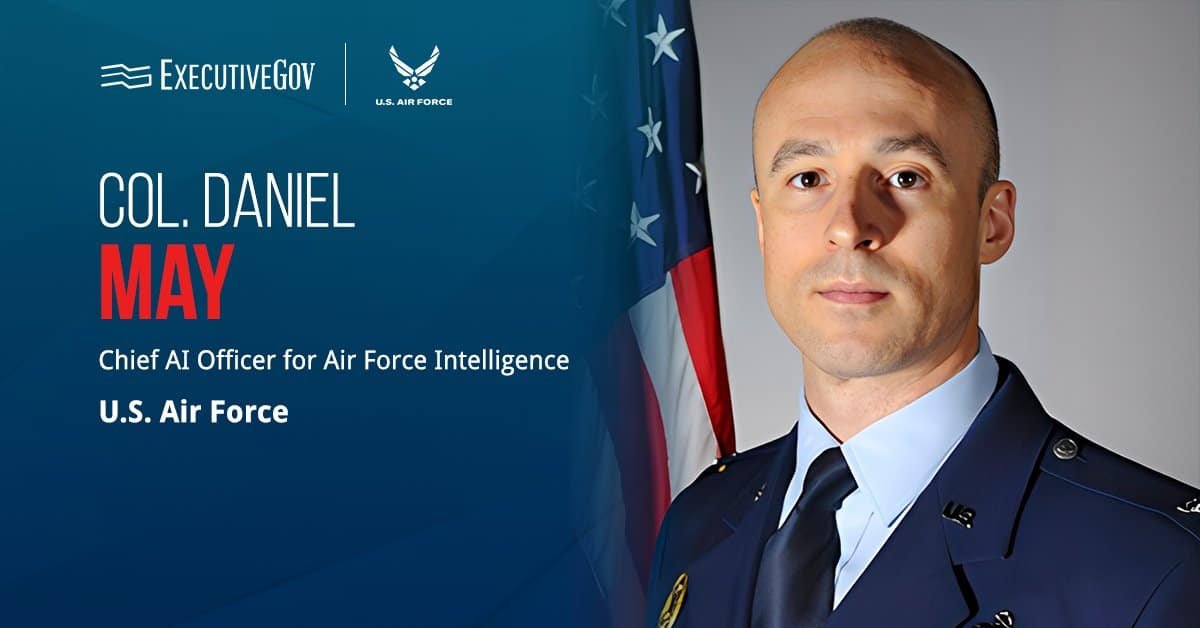
The upcoming 2026 Defense R&D Summit, scheduled for January 29, is a pivotal gathering for those invested in defense innovation. The event will feature key figures, including Col. Daniel May, the USAF’s chief AI officer for intelligence, who will share invaluable insights on AI business opportunities in 2026. This platform is an excellent opportunity for GovCons to glean actionable intelligence on strategies and technologies that will define the future landscape of military operations.
AI Opportunities for Government Contractors (GovCons)
With the USAF poised to ramp up its AI investments, GovCons have a unique chance to align with military needs and emerging trends. Here are four key areas where business opportunities are ripe for exploration:
1. Enterprise-Level Premium Access to LLMs
The USAF aims to facilitate premium enterprise-level access to large language models. According to Col. May, while the Pentagon currently provides free access to these models for experimentation, it comes with significant costs and performance limitations. The solution? A shift towards paid access to at least one commercial LLM that enhances performance and provides consistent capabilities to users, particularly in machine-to-machine communications. This opens avenues for GovCons interested in developing robust AI solutions that meet military standards.
2. Classified Cloud-as-a-Service for AI Models
The USAF is looking to expand its AI services by making models available in the classified cloud as a service. As outlined by Col. May, the goal is to streamline the machine learning operations pipeline, allowing models created in unclassified settings to seamlessly transition to classified networks. By innovating deployment strategies, GovCons can play a critical role in shaping this transition, ensuring that valuable models are no longer delayed by bureaucratic bottlenecks.
3. Enhanced AI Workflows
Optimizing human-machine interaction is another significant focus for the USAF. The need for improved workflows, especially in transitioning from manual to digitized processes, is highlighted as an area of concern. Col. May emphasized the potential for industry partners to provide innovative solutions that help integrate AI technology into existing workflows. This includes enhancing human-machine teaming, where both human expertise and AI capabilities are maximized for operational excellence.
4. Applying Agentic AI to New Missions
One fascinating area of exploration for the USAF is the application of agentic AI to support new military missions, particularly foreign disclosure. Col. May noted that AI systems could assist in navigating complex regulations regarding sharing classified information with foreign entities. The ability to automate aspects of these tasks not only saves time but also ensures compliance with existing policies, making it an appealing area for GovCon involvement.
Final Thoughts
The landscape of AI within the U.S. Air Force is rapidly evolving, and the proactive steps being taken underscore a broader commitment to leveraging technology in defense operations. For GovCons, this is a pivotal moment to align their innovations with the USAF’s strategic objectives. The upcoming Defense R&D Summit offers a perfect venue for networking and deepening insights into these emerging opportunities.
Stay tuned, as we delve deeper into the specifics of these discussions and explore the future of AI in the military landscape.