

The $50 Million Crypto Fraud: A Deep Dive into Address Poisoning
In a dramatic exposé of security vulnerabilities in the cryptocurrency world, the analytics platform Lookonchain recently reported a staggering loss of nearly $50 million in USDT stablecoin due to a simple copy-paste error. This incident sparked conversations across the crypto community, revealing how the complexities of digital transactions can lead to devastating financial consequences.
The Incident
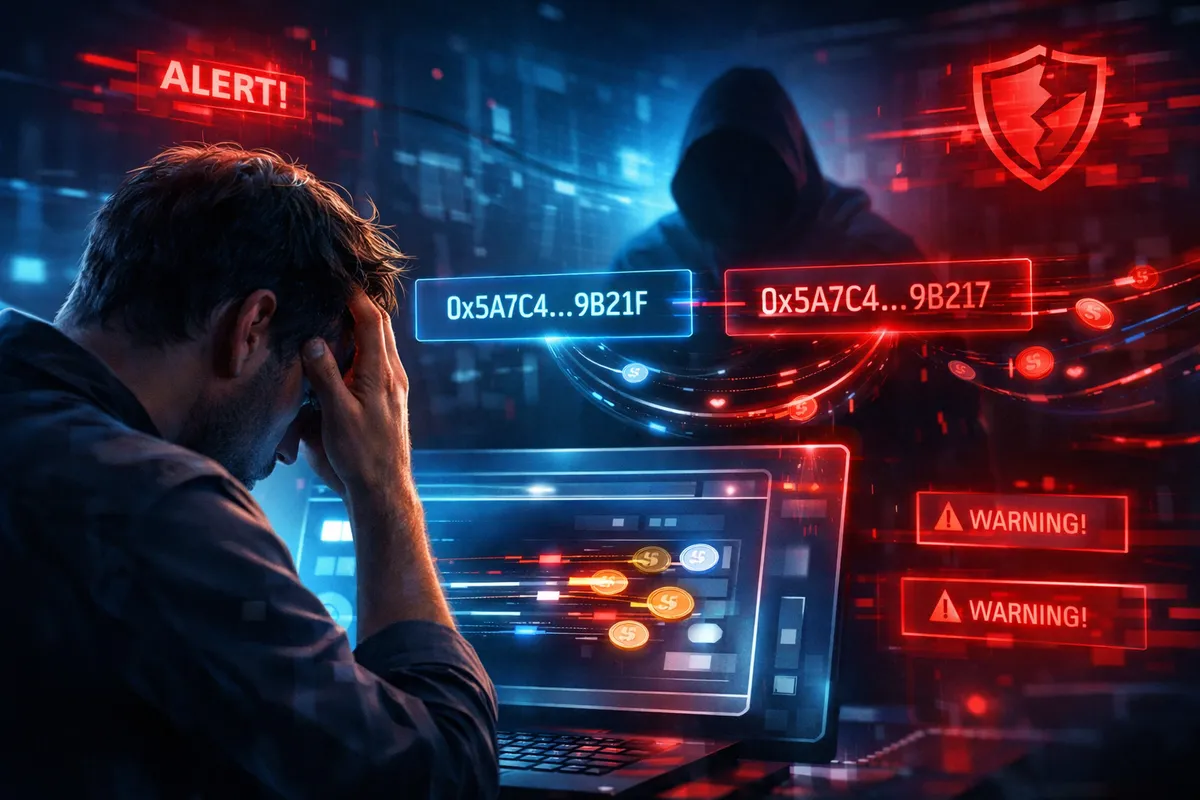
The unfortunate victim, identified by the Ethereum address 0xcB80, fell prey to a sophisticated scam involving address poisoning. Before the massive transfer, the user conducted a test transaction of just 50 USDT to their own address (0xbaf4b1aF…B6495F8b5). While monitoring the blockchain, a scammer quickly created a fake wallet address that mimicked the last four and first four characters of the victim’s address.
Following this, the scammer executed a minuscule transaction of 0.005 USDT from the fake wallet to the victim’s, successfully "poisoning" the transaction history. Many wallets, particularly MetaMask, display addresses in an abbreviated format, which inadvertently facilitates this type of deception. The victim, relying on the transaction history to copy the wallet address, mistakenly copied the fraudulent one.
Just like that, 49,999,950 USDT vanished into the scammer’s wallet—a painful lesson that highlights the vulnerabilities that users face when they prioritize convenience over diligence.
The Reaction
This shocking event quickly spread across social media, garnering over 730,000 views on Lookonchain’s post, along with hundreds of comments discussing the implications. While some speculated whether the incident was part of a more extensive tax evasion scheme, the majority called for urgent improvements to wallet interfaces. The need for better security features—in particular, alerts for similar-looking addresses—became a hot topic in discussions.
Understanding Address Poisoning
Address poisoning is just one of several deceptive tactics malicious actors utilize in the crypto space. According to insights from experts at Chainalysis and Ledger, the primary types of fraud related to address poisoning include:
-
Vanity Address Creation: Scammers frequently monitor the blockchain, creating “vanity addresses” that closely resemble real wallet addresses by only altering specific segments.
-
Clipboard Hijacking: Malicious software may silently monitor the clipboard and replace copied addresses with fraudulent ones, exploiting the victim’s trust.
-
Phishing Techniques: Scammers often create fake websites resembling trusted services, prompting users to enter their wallet addresses or funds for "verification."
- Transaction Spoofing: By sending small transactions from similar addresses, scammers can confuse victims about the legitimacy of a transaction history.
With billions lost to such schemes in 2025 alone, the ongoing threat underscores how these scams prey on human behavior, particularly the tendency to trust visual familiarity over rigorous verification.
Protecting Yourself from Address Poisoning
In the fast-evolving world of crypto, it’s critical to adopt essential safeguarding measures. Here are several practical tips from security experts at Binance, Trezor, and Ledger:
Verify the Full Address
Always check the entire wallet address instead of just the first few and last few characters. Scammers often craft addresses that match only the visible sections, making it easy for users to be misled. Tools like Etherscan can help verify ownership, transaction history, and flag any suspicious activity.
Avoid Copying from History
Enter wallet addresses manually or utilize securely stored contacts rather than copying from transaction histories. Scammers often exploit this feature by introducing fake transactions to clutter the logs.
Use Hardware Wallets
Devices such as Ledger and Trezor help secure private keys by storing them offline. They also prompt users to confirm addresses on-screen before transactions, serving as an additional safeguard.
Apply ENS or Human-Readable Names
Ethereum Name Service (ENS) domains, which allow human-readable labels to replace complex wallet addresses, can significantly reduce errors and enhance security, making it harder for scammers to impersonate legitimate wallets.
Install Antivirus Software
Regularly scan for malware using reliable antivirus tools. Clicking on unknown links can lead to infections, including clipboard hijacking.
Conduct Test Transactions
Always send a small amount to validate a wallet address before initiating a larger transfer. This step acts as a final verification and ensures that the transaction is routed correctly.
Enable Warnings in Wallets
Utilizing the built-in security features in wallets like MetaMask can alert you to potential phishing attempts. Enable these features and keep software updated for real-time threat detection.
By implementing these precautions, users can significantly mitigate their risks and build a more robust defense against the ever-evolving landscape of cryptocurrency fraud. In an industry where every transaction is irreversible, vigilance is paramount.