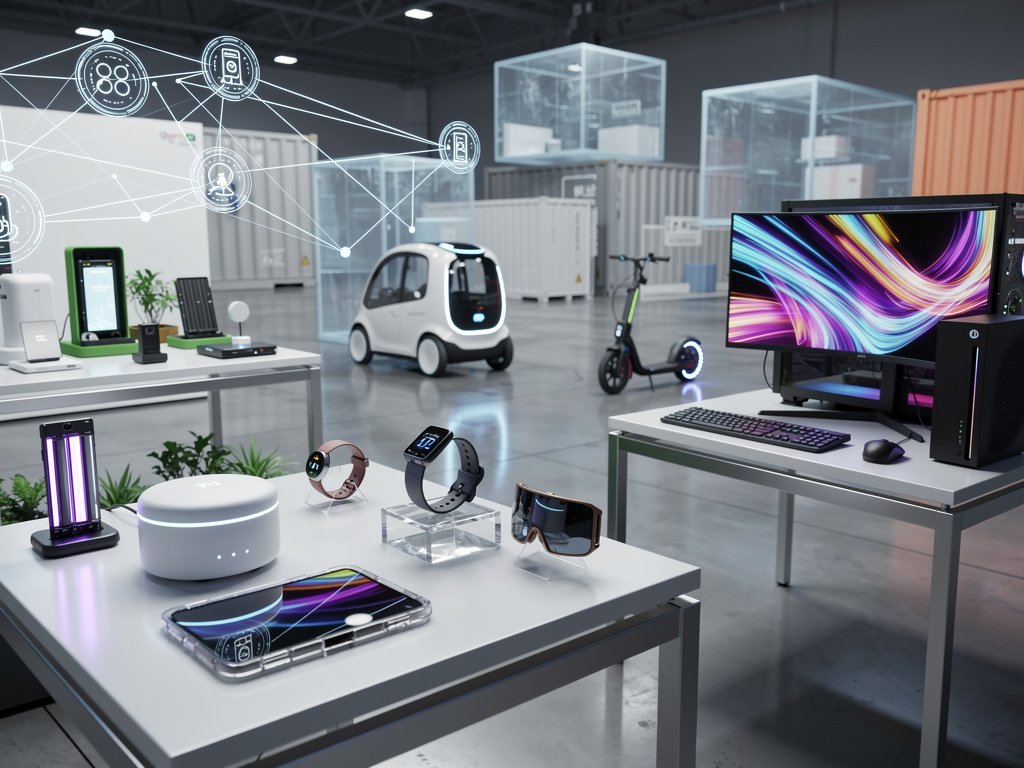
CES 2026: A Glimpse into the Future of Technology
In the vibrant and bustling halls of Las Vegas, CES 2026 has reasserted itself as the epicenter of technological innovation. Industry leaders, startups, and tech enthusiasts gathered earlier this month to witness pioneering advancements that promise to redefine everyday life. From AI-infused home appliances to revolutionary concepts in personal mobility, this year’s show highlighted how companies are innovating in response to evolving consumer demands and global challenges.
AI’s Expanding Role in Consumer Devices
One of the most noteworthy themes at CES 2026 was the integration of artificial intelligence into daily gadgets. Exhibitors unveiled home assistants that don’t just respond to voice commands but also anticipate user needs through predictive algorithms. This transition signifies that AI has evolved from a quirky novelty to a core component of product design, primarily focused on enhancing efficiency and personalization.
Moreover, AI-driven wearables have made significant strides, offering health monitoring capabilities that can rival medical-grade equipment. These devices utilize advanced sensors to track vital signs in real-time, delivering actionable insights to users. For instance, an award-winning wearable was reported to integrate machine learning for the accurate detection of irregular heart rhythms, potentially saving lives through timely intervention.
The automotive sector also showcased innovations in AI, particularly regarding self-driving features. Concept cars exhibited navigation systems that autonomously adapt to traffic patterns and weather conditions. This advancement signifies a pivotal shift towards seamless integration with smart city infrastructures, hinting at a future where vehicles can directly communicate with urban environments.
Sustainable Tech Takes the Spotlight
Sustainability was another focal point, with many prototypes emphasizing eco-friendly materials and energy-efficient technologies. Gadgets made from recycled materials were in abundance, showcasing a commitment to addressing electronic waste. Notably, smartphones built with biodegradable components promise to minimize the environmental impact of frequent upgrades, maintaining high performance while adhering to green standards.
In addition to sustainable materials, advancements in energy storage solutions were prominent. New battery technologies promise longer life spans and faster charging times. Prototypes of silicon-carbon batteries demonstrated nearly 600 km of range on just a 10-minute charge, indicating a potential revolution in the electric vehicle market. Attendees noted the convergence of renewable energy and consumer tech, with solar-powered gadgets becoming increasingly prevalent, from kitchen tools to outdoor lighting.
Breakthroughs in Personal Mobility and Health
Personal mobility devices were a significant highlight, featuring electric scooters and bikes equipped with adaptive suspension systems that adjust to various terrains in real-time. Such innovations not only enhance safety but also make urban commuting much more comfortable. The event also showcased ingenious concepts like stair-climbing robot vacuums and portable diagnostic tools integrated into household items, indicating a broadening scope of mobility and health tech.
Smart mirrors that analyze skin conditions were a crowd favorite, utilizing AI to provide personalized skincare recommendations. These devices bridge the gap between consumer technology and preventive medicine, demonstrating more than just convenience—they signify a shift toward holistic health monitoring in everyday environments.
Telemedicine saw a notable evolution as well, with portable kits enabling remote consultations featuring high-fidelity audio and video capabilities. This timely innovation caters to growing demand for virtual healthcare, addressing privacy concerns with secure, encrypted communication.
Entertainment and Gaming Evolutions
The entertainment sector buzzed with excitement over next-generation displays. RGB micro-LED TVs showcased vibrant colors and energy efficiency, enticing potential buyers with immersive viewing experiences that mitigate common drawbacks of traditional OLEDs. CES 2026 highlighted modular designs for displays, allowing customization for various spaces.
In gaming technology, peripherals featuring haptic feedback systems provided tactile sensations synchronized with on-screen action, creating a more immersive experience for users. One innovative controller introduced variable resistance to simulate textures, elevating immersion levels. Additionally, virtual reality headsets received upgrades in resolution and comfort, alleviating user fatigue and offering an integrated ecosystem where VR merges with augmented reality.
Challenges and Ethical Considerations
Despite the excitement, CES 2026 wasn’t without critical discourse, particularly regarding data privacy in an age dominated by AI. Experts raised concerns about how intelligent devices collect and process personal information, advocating for stronger regulations. Discussions highlighted potential vulnerabilities, echoing broader societal debates on ethical AI deployment and user privacy.
Supply chain issues cast a shadow over the optimism, with some exhibitors acknowledging delays due to ongoing global semiconductor shortages. This reality check served as a reminder that bringing innovations to market necessitates negotiating complex logistical challenges.
Accessibility also emerged as a crucial topic, with advocates calling for inclusive design to accommodate users with disabilities. While some prototypes showcased features like voice navigation, there was a push for comprehensive standards that would ensure tech advancements benefit everyone, regardless of ability.
The Road Ahead for Tech Integration
The landscape painted by CES 2026 suggests an ongoing trajectory where technology becomes seamlessly embedded in daily life. Prototypes demonstrated integrated ecosystems that promise convenience while also raising questions about interoperability. Industry insiders forecast that collaboration among tech giants will be essential for avoiding fragmented markets, signaling a need for unified standards moving forward.
Investment in research and development is at an all-time high, with partnerships aimed at accelerating breakthroughs across various domains. Collaborative ventures in quantum computing and other pioneering areas hint at significant computational advancements that could tackle complex challenges in medicine and beyond.
Success in this evolving tech scene depends heavily on consumer adoption. Companies are focusing on marketing strategies that demonstrate tangible benefits, with an emphasis on user-friendly interfaces to bridge the gap between sophisticated technology and everyday life.
Innovators Pushing Boundaries
Startups played a pivotal role at CES 2026, showcasing disruptive innovation that challenges established norms. One highlighted company introduced a wearable that translates sign language into speech in real-time, promoting inclusivity and making waves across the communication landscape. The emergence of such niche innovations exemplifies how tech can have profound societal impacts.
Established brands also countered with exciting updates to their flagship products. For example, updates on Dell’s XPS series revival catered to professionals seeking high performance without sacrificing design.
Moreover, international participation enriched the event, particularly exhibits from Asia showcasing advancements in robotics and automation. Concepts such as AI companions aimed at assisting the elderly addressed demographic trends, reinforcing the role of innovative technology in social care.
Market Implications and Future Projections
Economically, the technologies unveiled at CES 2026 are anticipated to provide a fresh surge in various sectors, including manufacturing and services. Analysts predict that AI and sustainability-focused products will capture considerable market shares, driven by consumers increasingly prioritizing ethical brands.
Regulatory landscapes are also evolving, as governments scrutinize data practices and environmental claims more closely. Discussions during sessions highlighted the necessity for frameworks that encourage innovation while safeguarding public interests.
The landscape painted at CES 2026 suggests a future where technology enhances human capabilities while tackling pressing global challenges. As the line between prototypes and market-ready products blurs, the journey ahead will shape how consumers interact with technology in their daily lives. The innovative spirit observed at CES 2026 is a testament to the potential of human creativity, aimed at turning visions of tomorrow into reality today.