

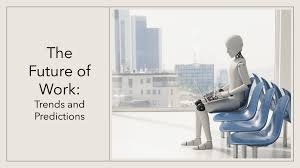
Work productivity is evolving rapidly. From remote collaboration tools to AI-powered automation, technology is reshaping how individuals and organizations operate.
As businesses adapt to hybrid work models and digital transformation, productivity is no longer just about working harder — it’s about working smarter.
In this article, we explore the major trends influencing work productivity and what to expect in the coming years.
The Shift from Traditional Work to Smart Work
The modern workplace has transitioned from fixed office routines to flexible, digital-first environments. Cloud platforms, automation tools, and AI-driven systems now support daily operations.
Companies are prioritizing:
- Remote and hybrid work flexibility
- Asynchronous communication
- Digital collaboration tools
- Data-driven performance tracking
- AI-assisted workflows
Productivity is increasingly measured by outcomes rather than hours spent at a desk.
Key Trends Shaping Work Productivity
1️⃣ AI-Powered Workflow Automation
Artificial Intelligence is reducing repetitive tasks and increasing efficiency.
Tools like Notion now integrate AI features to summarize notes, generate documents, and automate organization. Meanwhile, enterprise platforms such as Microsoft incorporate AI copilots into daily tools to streamline work.
AI is predicted to:
- Automate administrative tasks
- Assist with decision-making
- Generate reports instantly
- Enhance project management
This shift allows employees to focus on strategic and creative tasks.
2️⃣ Hybrid Work as the New Standard
Hybrid work is here to stay. Organizations are combining in-office collaboration with remote flexibility.
Video collaboration platforms like Zoom and team communication tools such as Slack enable seamless connectivity regardless of location.
Future prediction:
Hybrid models will become optimized with better digital workspaces and performance tracking systems.
3️⃣ The Rise of Digital Workspaces
Unified digital workspaces combine messaging, project management, file sharing, and automation into a single ecosystem.
Platforms are evolving into all-in-one productivity hubs where teams:
- Collaborate in real time
- Automate task assignments
- Track KPIs and milestones
- Integrate third-party apps
The next generation of productivity software will focus on integration rather than fragmentation.
4️⃣ Data-Driven Productivity Insights
Organizations are leveraging analytics to measure productivity more accurately.
Advanced dashboards provide insights into:
- Task completion rates
- Team efficiency
- Time allocation
- Workflow bottlenecks
Data will increasingly guide management decisions, reducing guesswork.
5️⃣ Employee Well-being & Productivity Balance
Burnout is a growing concern in the digital workplace.
Future productivity strategies will prioritize:
- Flexible schedules
- Mental health support
- Focus time blocks
- Reduced meeting overload
The most productive teams are balanced teams.
Emerging Technologies Impacting Productivity
🚀 AI Assistants & Digital Agents
AI copilots will handle scheduling, research, drafting emails, and summarizing meetings.
🌐 Cloud-Based Collaboration
Cloud-first tools will replace traditional on-premise systems entirely.
🔐 Secure Remote Infrastructure
Enhanced cybersecurity will protect distributed teams and data access.
📱 Mobile-First Productivity
Mobile apps will enable employees to work efficiently from anywhere.
Predictions for the Future of Work Productivity
📌 1. AI Will Be Embedded in Every Productivity Tool
AI features will become standard, not premium add-ons.
📌 2. Automation Will Replace Repetitive Roles
Routine tasks will decline while creative and strategic roles increase.
📌 3. Fewer Meetings, More Async Work
Companies will shift toward asynchronous communication to improve focus.
📌 4. Personalized Work Environments
AI will customize dashboards, schedules, and task prioritization per employee.
📌 5. Global Talent Collaboration
Technology will remove geographic hiring barriers.
Challenges to Overcome
Despite innovation, businesses face obstacles:
- Over-reliance on digital tools
- Cybersecurity risks
- AI bias in productivity monitoring
- Digital fatigue
- Privacy concerns
Organizations must adopt technology responsibly.
How Businesses Can Prepare
To stay competitive, companies should:
- Invest in AI-enhanced productivity tools
- Encourage flexible work models
- Train employees on digital systems
- Implement cybersecurity measures
- Focus on outcome-based performance metrics
Early adoption of smart productivity systems will create a long-term competitive advantage.
Conclusion
Work productivity is entering a new era driven by AI, automation, hybrid collaboration, and digital transformation.
The future of work is not about longer hours — it’s about smarter systems, empowered employees, and technology that enhances human potential.
Businesses that embrace these trends today will define the workplace of tomorrow.
SEO FAQs
Q: What is the future of work productivity?
The future of work productivity focuses on AI automation, hybrid collaboration, and data-driven performance tracking.
Q: How does AI improve productivity?
AI automates repetitive tasks, generates insights, assists with documentation, and improves workflow efficiency.
Q: Is hybrid work more productive?
Many organizations report improved flexibility and employee satisfaction, which can increase overall productivity.
Q: What tools improve workplace productivity?
AI-enabled platforms, collaboration tools, cloud-based systems, and workflow automation software enhance efficiency.


