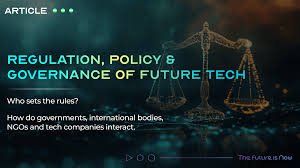
As technology continues to evolve at a rapid pace, governments and regulatory bodies around the world are working to establish rules that ensure safety, fairness, and accountability. From data privacy and artificial intelligence to digital markets and cybersecurity, tech policy and regulation play a critical role in shaping how technology is developed and used.
For businesses, understanding these regulations is no longer optional—it is essential for compliance, risk management, and long-term growth.
In this article, we explore the key areas of tech policy, major global regulations, and what they mean for businesses and users.
What Is Tech Policy & Regulation?
Tech policy refers to the laws, rules, and guidelines that govern the development, deployment, and use of technology.
Regulation ensures that companies:
- Protect user data
- Operate fairly
- Maintain transparency
- Prevent misuse of technology
Organizations like the European Union and the Federal Trade Commission play major roles in shaping global tech policies.
Key Areas of Tech Regulation
Data Privacy & Protection
Data privacy is one of the most important areas of regulation.
GDPR (General Data Protection Regulation)
Introduced by the European Union, GDPR sets strict rules for data collection and processing.
Key Principles
- User consent
- Data transparency
- Right to access and delete data
CCPA (California Consumer Privacy Act)
A U.S. regulation that gives users control over their personal data.
Artificial Intelligence Regulation
As AI becomes more powerful, governments are introducing rules to ensure ethical use.
Organizations like OpenAI are actively involved in discussions around responsible AI development.
Focus Areas
- Bias and fairness
- Transparency
- Accountability
- Safety
Cybersecurity Regulations
Governments require businesses to implement security measures to protect data.
Key Requirements
- Data protection standards
- Incident reporting
- Risk management
Digital Competition & Antitrust Laws
Regulators are addressing the dominance of large tech companies.
Companies like Google and Amazon have faced scrutiny over market practices.
Content Moderation & Online Safety
Platforms must manage harmful content while protecting freedom of speech.
Key Issues
- Misinformation
- Hate speech
- Platform responsibility
Impact of Tech Regulations on Businesses
Compliance Requirements
Businesses must follow regulations to avoid penalties.
Increased Costs
Compliance may require investment in tools and processes.
Operational Changes
Companies may need to adjust how they handle data and services.
Competitive Advantage
Compliant businesses build trust with customers.
Challenges in Tech Regulation
Rapid Technological Change
Technology evolves faster than regulations.
Global Differences
Different countries have different rules.
Balancing Innovation and Control
Too much regulation may slow innovation.
Enforcement Issues
Ensuring compliance can be difficult.
Future Trends in Tech Policy
Global Cooperation
Countries working together on regulations.
AI Governance
More rules around AI development and usage.
Stronger Privacy Laws
Increased focus on user data protection.
Regulation of Emerging Technologies
Policies for blockchain, metaverse, and digital assets.
How Businesses Can Stay Compliant
Stay Informed
Keep up with changing regulations.
Implement Data Protection Measures
Secure user data effectively.
Train Employees
Ensure teams understand compliance requirements.
Use Compliance Tools
Leverage technology to manage regulations.
Opportunities Created by Regulation
Increased Trust
Users trust compliant businesses.
Better Data Practices
Improved data management.
Market Differentiation
Compliance can be a competitive advantage.
Final Thoughts
Tech policy and regulation are essential for ensuring that technology benefits society while minimizing risks. As governments continue to introduce new rules, businesses must adapt to remain compliant and competitive.
Understanding and embracing regulation is not just about avoiding penalties—it is about building trust, protecting users, and creating sustainable growth in a rapidly evolving digital landscape.
SEO FAQs
Q: What is tech policy?
Tech policy refers to laws and regulations governing technology use and development.
Q: Why is tech regulation important?
It protects users, ensures fairness, and promotes accountability.
Q: What is GDPR?
A European regulation that protects user data and privacy.
Q: How can businesses stay compliant?
By following regulations, implementing security measures, and staying informed.