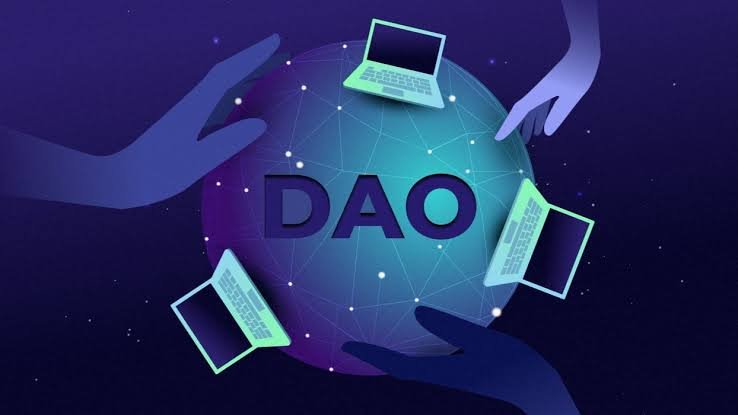
The emergence of blockchain technology has introduced new ways for people to collaborate, invest, and govern organizations without relying on traditional centralized structures. One of the most transformative innovations in the Web3 ecosystem is the Decentralized Autonomous Organization (DAO). A DAO enables communities, developers, investors, creators, and businesses to coordinate activities through transparent rules encoded in smart contracts rather than relying solely on centralized leadership.
Unlike traditional organizations, where executives or boards make most strategic decisions, DAOs empower members to participate directly in governance. Members can propose initiatives, vote on decisions, manage shared treasuries, and help shape the organization’s future using blockchain-based governance systems.
Since their introduction, DAOs have expanded beyond cryptocurrency projects into areas such as decentralized finance (DeFi), gaming, creator communities, venture funding, open-source software, philanthropy, investment groups, and digital governance. While DAOs offer increased transparency and global participation, they also face challenges related to security, legal recognition, governance efficiency, and voter participation.
This comprehensive guide explains what DAOs are, how they work, their advantages and limitations, common use cases, governance models, and what the future may hold for decentralized organizations.
What Is a DAO?
A Decentralized Autonomous Organization (DAO) is a blockchain-based organization whose rules and governance processes are managed through smart contracts and community voting rather than centralized management.
A DAO generally allows members to:
- Vote on proposals
- Manage shared funds
- Approve project development
- Allocate budgets
- Modify governance rules
- Participate in strategic decisions
The goal is to create a transparent, community-driven organization where decision-making is distributed among participants.
Key Characteristics of DAOs
Most DAOs share several defining features.
Decentralized Governance
No single individual controls the organization. Governance decisions are made collectively according to predefined voting rules.
Smart Contracts
Smart contracts automate governance processes and execute approved decisions according to coded rules.
Transparency
Votes, treasury transactions, and governance proposals are generally recorded on public blockchains, allowing members to review organizational activity.
Community Participation
Members often influence the direction of the organization through proposals and voting mechanisms.
Token-Based Governance
Many DAOs use governance tokens that allow holders to participate in voting, although governance models vary across projects.
How DAOs Work
A DAO typically follows a governance cycle:
- A member submits a proposal.
- The proposal is published for community discussion.
- Members vote according to the DAO’s governance rules.
- If voting thresholds are met, the proposal is approved.
- Smart contracts or designated contributors implement the approved decision.
This process creates a transparent record of governance activities.
The Role of Smart Contracts
Smart contracts serve as the operational foundation of most DAOs.
They may manage:
- Voting systems
- Treasury rules
- Membership requirements
- Proposal execution
- Governance parameters
- Reward distribution
Automation reduces manual administration while increasing transparency.
Governance Tokens
Many DAOs issue governance tokens.
These tokens may allow holders to:
- Submit proposals
- Vote on governance decisions
- Participate in treasury management
- Influence protocol upgrades
Some DAOs use alternative governance structures that do not rely solely on token ownership.
DAO Treasury Management
Many DAOs maintain shared treasuries that support:
- Product development
- Marketing
- Research
- Community grants
- Contributor compensation
- Partnerships
Treasury activity is often visible on the blockchain, improving transparency for participants.
Types of DAOs
Protocol DAOs
These govern blockchain protocols and decentralized applications.
Members may vote on:
- Software upgrades
- Fee structures
- Technical improvements
- Governance policies
Investment DAOs
Communities pool capital to evaluate and invest in projects collectively.
Members typically participate in investment-related governance.
Creator DAOs
Artists, writers, musicians, educators, and creators use DAOs to coordinate communities, fund creative work, and distribute resources.
Grant DAOs
These organizations allocate funding to developers, researchers, educational initiatives, and open-source projects.
Social DAOs
Social DAOs focus on networking, collaboration, education, and shared community interests.
Gaming DAOs
Gaming communities use DAOs to govern in-game economies, tournaments, community events, and ecosystem development.
Benefits of DAOs
Transparency
Blockchain records allow members to review proposals, voting outcomes, and treasury activity.
This transparency can improve accountability.
Global Participation
Individuals from different countries can contribute to DAO governance without requiring a traditional corporate structure.
Community Ownership
Participants collectively influence organizational direction rather than relying solely on centralized leadership.
Faster Innovation
Open participation often encourages experimentation and diverse perspectives.
Reduced Centralization
Distributed governance may reduce reliance on a single authority for major decisions.
Challenges Facing DAOs
Low Voter Participation
Many DAOs experience governance fatigue, where only a small percentage of eligible members vote on proposals.
Improving participation remains an ongoing challenge.
Governance Complexity
Balancing fairness, efficiency, and security becomes increasingly difficult as communities grow.
Smart Contract Risks
Software vulnerabilities may expose DAO treasuries or governance mechanisms to security incidents.
Independent audits and ongoing monitoring can help reduce these risks.
Regulatory Uncertainty
Legal recognition of DAOs varies across jurisdictions.
Organizations should monitor evolving laws related to digital assets, governance, taxation, and compliance.
Token Concentration
If governance tokens become concentrated among a small number of holders, decision-making may become less decentralized.
Some DAOs explore alternative voting models to address this concern.
DAO Voting Systems
Different DAOs use different governance mechanisms.
Token Voting
Voting power is proportional to governance token holdings.
Quadratic Voting
This approach aims to reduce the influence of large token holders by increasing the cost of additional voting power.
Delegated Voting
Members may delegate voting authority to trusted representatives while retaining ownership of their tokens.
Reputation-Based Governance
Some organizations assign voting influence based on participation, expertise, or contributions rather than token ownership alone.
DAO Membership
Membership models vary.
Some DAOs are:
- Open to anyone
- Token-gated
- Application-based
- Contribution-based
- Invitation-only
Each model balances accessibility with governance quality.
DAO Use Cases
Decentralized Finance (DeFi)
DAOs help govern lending platforms, decentralized exchanges, and financial protocols.
Open-Source Development
Developer communities use DAOs to coordinate software improvements and allocate development funding.
Creator Communities
Creative professionals use DAOs to manage shared resources, events, educational programs, and revenue distribution.
Investment Groups
Community members collectively research and vote on investment opportunities.
Philanthropy
Charitable DAOs enable transparent fundraising and grant distribution for social initiatives.
Security Best Practices
DAO participants should:
- Review governance proposals carefully.
- Verify official communication channels.
- Use secure cryptocurrency wallets.
- Protect private keys and recovery phrases.
- Monitor governance updates.
- Be cautious of phishing attempts.
- Support security audits where applicable.
Strong operational security benefits both individuals and organizations.
How to Participate in a DAO
General participation often includes:
- Research the organization’s goals.
- Create a compatible crypto wallet.
- Acquire any required governance credentials if applicable.
- Join community discussions.
- Review governance proposals.
- Vote responsibly.
- Contribute skills or ideas.
- Stay informed about organizational developments.
Understanding the DAO’s governance rules before participating is important.
The Role of AI in DAO Governance
Artificial intelligence may assist DAOs by:
- Summarizing governance proposals
- Detecting fraudulent activity
- Analyzing treasury performance
- Supporting community moderation
- Providing governance analytics
AI can improve efficiency but should complement, not replace, community decision-making.
Legal Considerations
DAO participants should be aware that:
- Regulations vary by country.
- Tax obligations may apply.
- Governance rights differ between organizations.
- Legal protections depend on jurisdiction.
- Compliance requirements continue to evolve.
Seeking professional legal or financial advice may be appropriate for complex situations.
Future Trends
AI-Assisted Governance
AI tools may help communities review proposals, identify trends, and improve governance participation.
Cross-Chain DAOs
Future DAOs may operate across multiple blockchain networks, improving interoperability.
Improved Governance Models
Organizations continue experimenting with voting systems that balance efficiency, fairness, and decentralization.
Greater Institutional Adoption
Businesses, nonprofits, and research organizations may increasingly explore DAO-inspired governance models.
Enhanced Security
Advances in smart contract auditing, formal verification, and decentralized identity are expected to strengthen DAO security.
Best Practices for DAO Members
- Understand the organization’s mission.
- Read governance proposals thoroughly.
- Participate constructively in discussions.
- Vote responsibly.
- Protect wallet credentials.
- Verify official announcements.
- Stay informed about protocol updates.
- Respect community guidelines.
- Consider long-term sustainability.
- Support transparent governance.
DAO Participation Checklist
Before joining a DAO, ensure that you:
- ✅ Understand its governance model.
- ✅ Review the organization’s objectives.
- ✅ Learn how voting works.
- ✅ Secure your crypto wallet.
- ✅ Protect your recovery phrase.
- ✅ Verify official communication channels.
- ✅ Read governance proposals carefully.
- ✅ Understand any applicable legal or tax obligations.
- ✅ Participate respectfully in community discussions.
- ✅ Stay updated on governance changes.
Conclusion
Decentralized Autonomous Organizations represent one of the most innovative applications of blockchain technology, offering communities a new way to coordinate resources, make decisions, and manage shared goals without relying entirely on centralized leadership. By combining smart contracts, transparent governance, and community participation, DAOs have opened new possibilities for collaboration across finance, software development, creative industries, philanthropy, gaming, and beyond.
However, DAOs also face important challenges, including governance participation, smart contract security, regulatory uncertainty, and balancing decentralization with effective decision-making. Addressing these issues requires thoughtful governance design, active community engagement, strong security practices, and ongoing adaptation as the technology evolves.
As Web3 infrastructure matures and governance models continue to improve, DAOs are likely to play an increasingly important role in shaping digital organizations. Whether you are an investor, developer, entrepreneur, or community member, understanding how DAOs work provides valuable insight into the future of decentralized collaboration.
Frequently Asked Questions (FAQs)
1. What is a DAO?
A DAO (Decentralized Autonomous Organization) is a blockchain-based organization that uses smart contracts and community governance to make decisions without relying solely on centralized management.
2. How do DAOs make decisions?
Members typically submit proposals and vote according to the DAO’s governance rules. Approved proposals may then be implemented through smart contracts or designated contributors.
3. What are governance tokens?
Governance tokens are digital assets that may give holders the ability to participate in voting, submit proposals, or influence organizational decisions within a DAO.
4. Are DAOs legally recognized?
Legal recognition varies by jurisdiction. Some regions have introduced legal frameworks for certain DAO structures, while others continue to evaluate how they fit within existing laws.
5. What are the main benefits of DAOs?
Key benefits include transparency, community participation, global collaboration, shared governance, and programmable decision-making through smart contracts.