

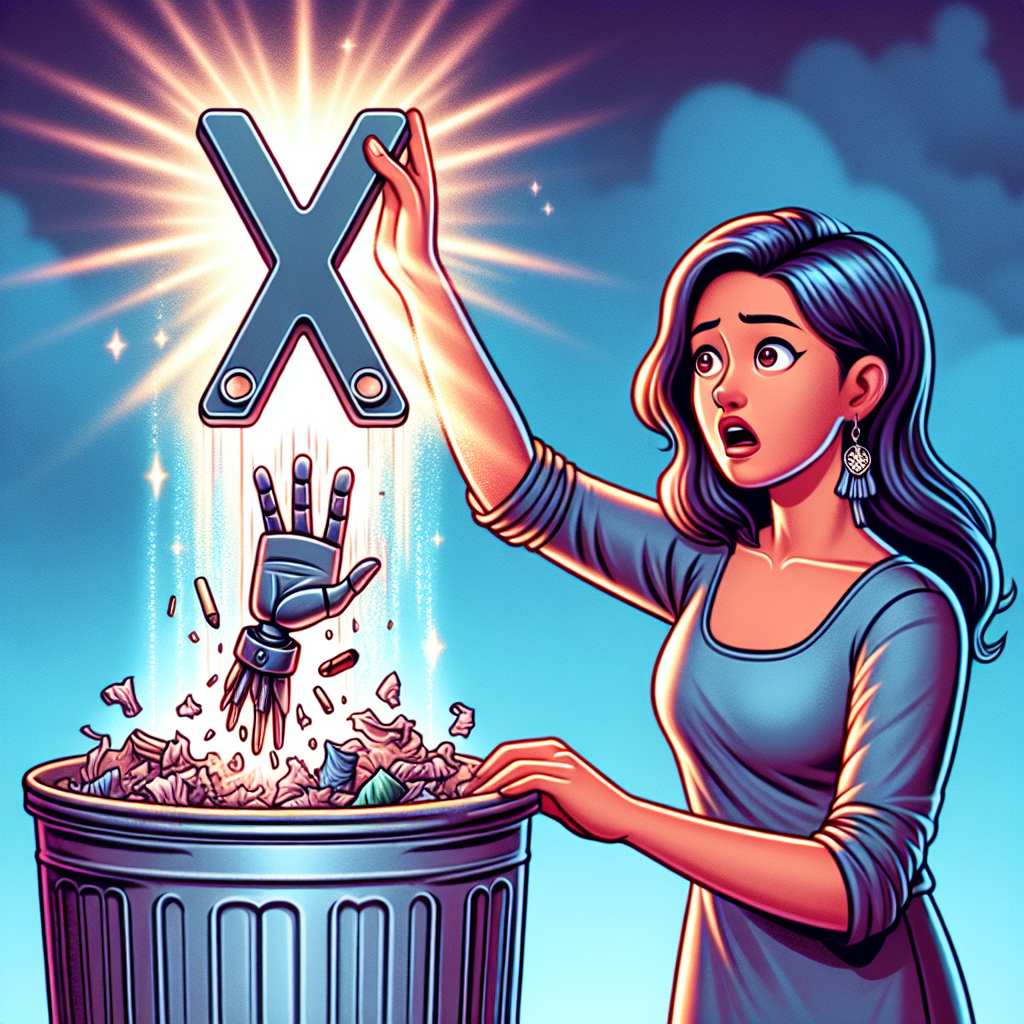
The Controversial AI Image Editing Feature on X: A Cultural Shift in the Art Community
In a move that many have labeled controversial, Elon Musk’s platform, X (formerly known as Twitter), has introduced a new AI image editing feature powered by Grok. This feature allows users to edit any image shared on the platform without needing the original creator’s permission. Marketed as a ‘Christmas gift,’ this function has ignited an uproar within the artistic community, forcing many creators to reevaluate their relationship with the platform and seek refuge in alternative spaces.
The Heart of the Controversy
At the core of the controversy is the lack of consent for image editing. Artists invest time, effort, and emotion into their work, and seeing their creations altered without approval is akin to artistic theft. This newly implemented feature enables any user to manipulate the visual essence of an artist’s work, raising significant concerns about the integrity and respect for original content. Without an opt-out option, artists find themselves vulnerable, realizing that their images can be transformed in ways that could misrepresent their intent or tarnish their reputation.
The Artists’ Outcry: A Wave of Discontent
The art community has reacted swiftly and vocally against this feature. Many artists have taken to social media, expressing their fears and frustrations. Comments abound about the potential for abuse, with concerns that malicious users could easily misappropriate an artist’s work, leading to a widespread devaluation of creative endeavors. The sentiment resonates beyond individual creators—it’s about a collective movement to protect the rights and dignity of artistic expression in an increasingly commercialized digital landscape.
The Exodus to Alternative Platforms
As the uproar escalates, we’re witnessing a significant migration of artists from X to alternative platforms such as BlueSky. This movement speaks volumes about the desire for more secure environments where artists feel their intellectual property is respected. Platforms that prioritize creative safety and consensual sharing are becoming increasingly appealing, as artists are seeking spaces that align with their values and protect their work.
BlueSky, among others, has positioned itself as a safe haven for creatives looking to escape the chaotic dynamics currently at play on X. Here, artists can freely express themselves without the fear of unauthorized edits, reclaiming their autonomy and control over their creations. The allure of platforms that prioritize user rights and satisfaction has never been more pronounced.
The Broader Implications for Digital Creativity
This situation uncovers broader implications for digital creativity in our evolving technological landscape. The introduction of AI-powered tools poses a double-edged sword; while they offer unprecedented capabilities for content creation and manipulation, they simultaneously challenge the ethical boundaries of creative ownership. The risk that AI can destabilize traditional concepts of authorship raises important conversations about the future of creativity online.
Artists are not merely losing their work to technology; they are grappling with the philosophical implications of what it means to create in an environment where consent can be overlooked. As these discussions unfold, it invites both creators and consumers alike to rethink the values they hold regarding art and copyright in the digital age.
Community Solidarity: A Collective Resistance
In the face of adversity, the art community is demonstrating remarkable solidarity. Many artists are banding together, sharing strategies and insights on how to navigate the shifting landscape. Discussions are rife not only about relocating to safer platforms but also about advocating for better policies that safeguard creators’ rights across the board.
Moreover, social media campaigns highlighting the importance of consent in creative industries have gained momentum, urging users to consider the implications of their digital actions. This collective resistance is a testament to the power of community in advocacy, fostering a movement focused on protecting the rights and integrity of artists everywhere.
A Shifting Landscape for Art and Technology
As this controversy unfolds, the interactions between art, technology, and user rights continue to evolve. The introduction of this AI image editing feature on X has not only catalyzed a significant shift for artists but has also prompted a broader dialogue about creative ownership in an age dominated by rapid technological advancements.
While the future remains uncertain, one thing is clear: artists are at the forefront, demanding a dialogue that emphasizes respect, consent, and the intrinsic value of creative work, challenging platforms like X to reconsider how they handle the intimate relationship between creators and their digital expressions.


