

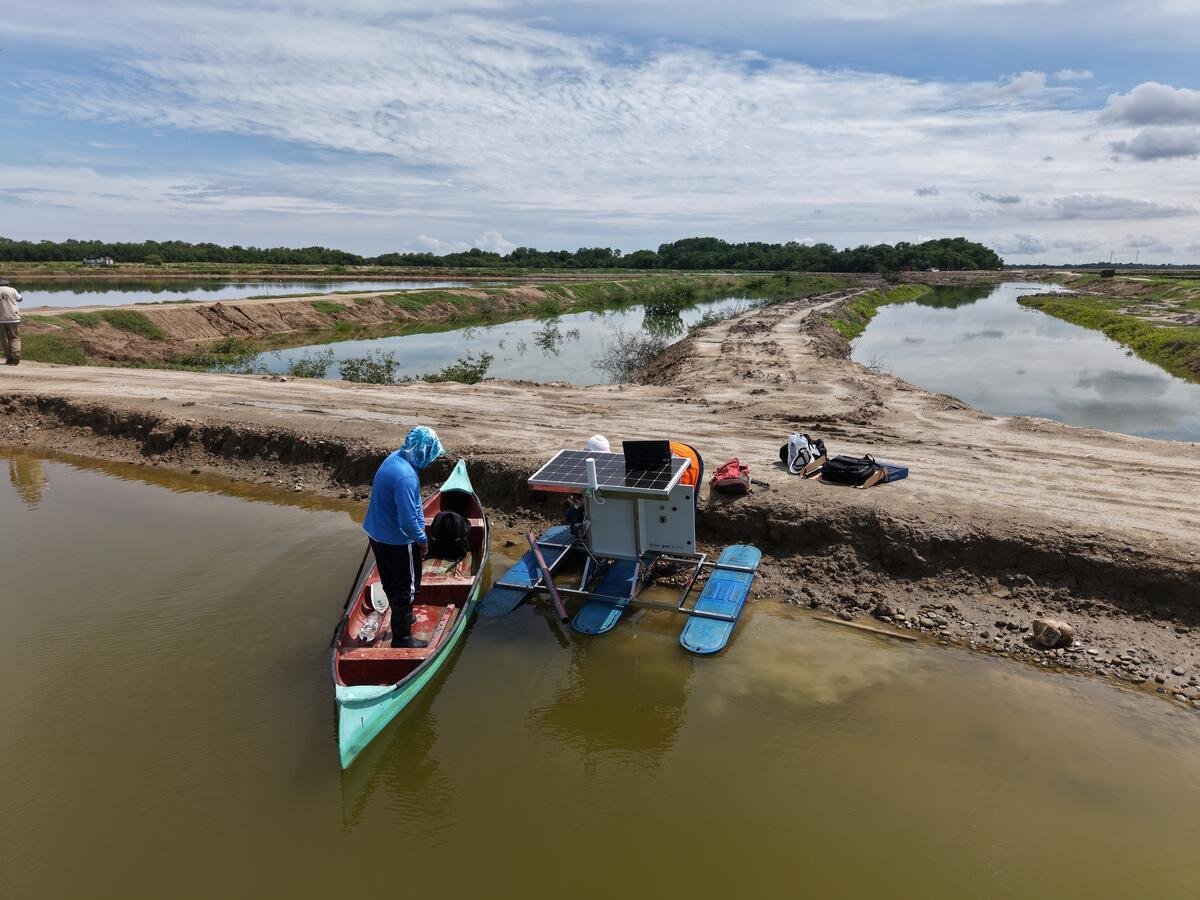
Data and Capacity Building to Support Members
The Food and Agriculture Organization (FAO) has taken significant strides in enhancing its capacities at the science-policy interface, guided primarily by its Science and Innovation Strategy. The organization recognizes the critical role that data and digital tools play in modern agriculture, particularly in fostering sustainable agrifood systems. Specifically, FAO has been focusing on digital solutions, data-driven insights, and AI-driven agriculture to better support its member countries and embrace the complexities of today’s food systems.
Empowering Farmers with the Hand-in-Hand Initiative
Since the launch of the Hand-in-Hand Initiative in 2019, FAO has aimed to transform agricultural practices through targeted, context-specific advice. Central to this initiative is the Hand-in-Hand Geospatial Platform, which provides farmers and governments with real-time, actionable insights based on their specific geographic and socio-economic contexts. This interactive platform aims to bridge the knowledge gap, ensuring that farmers have the tools and information necessary to make informed decisions that enhance productivity and sustainability.
Digital Tools through the Digital Villages Initiative
In 2021, FAO launched the Digital Villages Initiative, a program designed to expand access to digital tools in agrifood systems and rural areas. This initiative is critical in an age where technology can empower local communities, offering them systematic access to innovative solutions that streamline processes, increase efficiency, and ultimately boost food security. By fostering digital literacy and ensuring that communities can effectively utilize these tools, the initiative aspires to catalyze effective rural transformation and agricultural productivity.
Tackling Salinization with Global Soil Data
Salinization is a pressing challenge for agricultural productivity worldwide. To address this, FAO has produced a series of digital maps, including the Global Map of Salt-Affected Soils. These maps not only highlight areas impacted by salinity but also facilitate better management strategies for soil health. Additionally, the SOILFER initiative focuses on enhancing global soil data, developing robust monitoring and governance frameworks necessary to protect soil health and thereby strengthen sustainable agrifood systems. This emphasis on data-driven approaches reflects FAO’s commitment to harnessing information for proactive agricultural management.
Enhancing Crisis Management with the FAO Risk Monitor Platform
The launch of the FAO Risk Monitor Platform represents a significant advancement in proactive crisis management within agrifood systems. This platform leverages geospatial data, expert analysis, and automated alerts to identify food security risks in real-time. By equipping decision-makers with timely information, FAO enhances its ability to respond to crises before they escalate, mitigating their impact through anticipatory measures and rapid interventions. This tool underscores the agency’s dedication to using innovative approaches to protect and sustain food systems globally.
Liberia Situation Room: A New Frontier in Monitoring Natural Hazards
FAO has further enhanced its capabilities with the inauguration of the Liberia Situation Room at its headquarters. This facility represents an integrated system focused on monitoring both natural hazards—such as droughts, floods, and earthquakes—and anthropogenic threats like conflict and political instability. By streamlining data collection and analysis, this initiative allows FAO to maintain situational awareness and respond more effectively to crises, reinforcing its role as a critical support system for member countries.
Leadership in Agro-Informatics
FAO’s commitment to innovation in agrifood systems has not gone unnoticed; the organization was recently elected as Chair of the UN Geospatial Network for the first time. This role places FAO at the forefront of discussions surrounding data and geospatial technologies in agriculture, reinforcing its status as a global leader in agro-informatics. This leadership opportunity allows FAO to further influence policies and practices that can drive agricultural innovation on an international scale.
Innovative Perspectives from the Agrifood Systems Technologies and Innovations Outlook
The release of the Agrifood Systems Technologies and Innovations Outlook (ATIO) marks another landmark moment for FAO. Launched at the Science and Innovation Forum in October 2025, ATIO serves as an open-access repository of emerging technologies and trends within the agrifood sector. By providing stakeholders with actionable insights and forward-looking perspectives, ATIO is positioned to foster sound investment and policy decisions that can accelerate progress within the global agrifood landscape.
A Commitment to Knowledge Sharing through E-Learning
FAO understands that knowledge sharing is paramount to capacity building. The E-learning Academy, which has reached over one million users, stands as a testament to FAO’s commitment to education and accessibility in the agrifood sector. As one of the most accessible and free knowledge platforms within the UN system, the E-learning Academy empowers individuals and organizations by providing them with educational resources necessary for enhancing agricultural practices and food security initiatives.
By advancing data-driven solutions and fostering a culture of capacity building, FAO is paving the way for a more resilient and sustainable future in agrifood systems. Through its various initiatives, the organization is indeed rewriting the narrative of agriculture and ensuring that member countries are well-equipped to face present and future challenges.