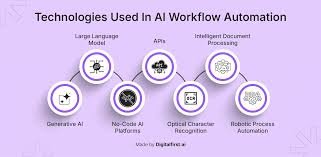
In today’s rapidly evolving business landscape, staying competitive requires more than just traditional strategies. Companies must embrace digital transformation to improve efficiency, enhance customer experience, and unlock new growth opportunities.
From automation and cloud computing to artificial intelligence and data analytics, digital transformation is reshaping industries and redefining how businesses operate.
In this guide, we’ll explore what digital transformation is, why it matters, key technologies, and how to implement it successfully.
What Is Digital Transformation?
Digital transformation is the integration of digital technologies into all areas of a business, fundamentally changing how it operates and delivers value to customers.
Global leaders like Amazon and Microsoft have leveraged digital transformation to scale operations and dominate their markets.
Why Digital Transformation Matters
Increased Efficiency
Automation reduces manual tasks and errors.
Improved Customer Experience
Digital tools enable personalized and seamless interactions.
Data-Driven Decisions
Businesses can leverage insights for smarter strategies.
Competitive Advantage
Innovative companies stay ahead of competitors.
Scalability
Digital systems support business growth.
Key Technologies Driving Digital Transformation
Cloud Computing
Cloud platforms provide flexible and scalable infrastructure.
Benefits
- Remote access
- Cost savings
- Scalability
Artificial Intelligence (AI)
AI enhances automation and decision-making.
Use Cases
- Chatbots
- Predictive analytics
- Workflow automation
Big Data & Analytics
Data insights help businesses make informed decisions.
Applications
- Customer behavior analysis
- Market trends
- Performance tracking
Internet of Things (IoT)
Connected devices improve efficiency and monitoring.
Examples
- Smart devices
- Industrial sensors
Automation & RPA
Robotic Process Automation handles repetitive tasks.
Benefits
- Faster processes
- Reduced errors
Cybersecurity
Protecting digital assets is critical in a digital-first world.
Focus Areas
- Data protection
- Threat prevention
Key Areas of Transformation
Customer Experience
Enhancing how customers interact with your brand.
Operations
Streamlining internal processes.
Business Models
Creating new revenue streams.
Workforce
Empowering employees with digital tools.
Benefits of Digital Transformation
Higher Productivity
Teams work faster and more efficiently.
Cost Reduction
Automation lowers operational costs.
Innovation
Enables new products and services.
Better Insights
Real-time data improves decision-making.
Increased Revenue
Optimized processes drive growth.
Challenges
Resistance to Change
Employees may resist new technologies.
High Costs
Initial investment can be significant.
Skill Gaps
Requires trained professionals.
Data Security Risks
More digital systems increase exposure.
Legacy Systems
Outdated systems can slow progress.
Step-by-Step Strategy
Step 1: Define Your Goals
Identify what you want to achieve.
Step 2: Assess Current Systems
Evaluate existing processes and technologies.
Step 3: Choose the Right Tools
Select technologies aligned with your goals.
Step 4: Train Your Team
Equip employees with necessary skills.
Step 5: Implement Gradually
Start small and scale over time.
Step 6: Monitor and Optimize
Continuously improve performance.
Real-World Examples
E-Commerce Growth
Businesses expanding online.
Remote Work Systems
Cloud tools enabling flexible work.
Automation in Operations
Reducing manual workloads.
Future Trends
AI-Driven Businesses
Automation and intelligent systems.
Hyperautomation
End-to-end automation of processes.
Digital Ecosystems
Integrated platforms and services.
Personalization at Scale
Tailored customer experiences.
Sustainable Technology
Eco-friendly digital solutions.
Final Thoughts
Digital transformation is not just about adopting new technology—it’s about rethinking how your business operates and delivers value. Companies that embrace change, invest in the right tools, and continuously innovate will thrive in the digital era.
The future belongs to businesses that are agile, data-driven, and digitally empowered.
SEO FAQs
Q: What is digital transformation?
It is the integration of digital technologies into business operations.
Q: Why is digital transformation important?
It improves efficiency, innovation, and competitiveness.
Q: What technologies are involved?
AI, cloud computing, big data, IoT, and automation.
Q: How can businesses start?
By defining goals, choosing tools, and implementing gradually.