The Future of Technology: A Decade of Transformation
Introduction
Technology has always been a driving force behind societal change, shaping how we live, work, and communicate. As we look toward the next decade, emerging technologies promise to redefine industries, enhance productivity, and transform our everyday lives. Understanding these trends is vital for businesses, policymakers, and individuals who aim to stay ahead in an increasingly digital world.
Artificial Intelligence and Machine Learning
Artificial Intelligence (AI) and Machine Learning (ML) continue to dominate the technological landscape. Over the coming years, AI will become even more sophisticated, performing tasks historically relegated to human capabilities. From autonomous vehicles navigating complex road systems to AI-powered healthcare diagnostics identifying diseases with incredible accuracy, the applications are vast and varied.
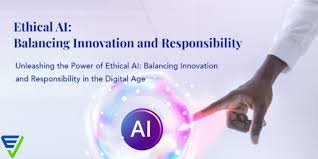
Yet, these advancements also raise ethical questions about privacy, decision-making, and job displacement. The challenge lies in ensuring that AI is used responsibly. A collaborative effort between companies and regulators will be essential to strike a balance between innovation and societal welfare, guarding against the potential pitfalls that accompany rapid technological growth.
The Rise of Quantum Computing
Quantum computing signifies a groundbreaking shift in computational power. Unlike traditional computers that process information linearly, quantum computers leverage qubits, which can exist in multiple states at once. This capability enables them to tackle complex problems at speeds that were once deemed impossible.
Industries such as pharmaceuticals, finance, and logistics stand to gain the most from this quantum leap. Imagine revolutionized drug discovery processes, significantly optimized global supply chains, or enhanced financial modeling that can predict market trends in real-time. While mainstream adoption may be several years away, companies that invest in quantum research today are strategically positioning themselves for the technological breakthroughs of tomorrow.
5G and Beyond: Transforming Connectivity
The rollout of 5G networks marks the beginning of a new era in connectivity. With ultra-fast and low-latency networks, innovations like smart cities, autonomous vehicles, and the Internet of Things (IoT) are becoming more feasible. These networks will facilitate seamless communication between devices, providing real-time data and improving efficiency across numerous sectors.
However, challenges persist. High infrastructure costs, cybersecurity risks, and issues of equitable access to technology must be addressed for 5G to fulfill its potential. Even so, the prospect of a more connected and responsive world makes 5G a cornerstone of future technological advancements.
Automation and Robotics
Automation is evolving beyond traditional factory settings. AI-powered robots are increasingly entering service industries, logistics, and healthcare. Robotic Process Automation (RPA) is helping businesses reduce repetitive tasks, enhancing efficiency, and minimizing human error.
Looking forward, we can expect to see a closer collaboration between humans and robots, where these machines act as assistants rather than substitutes. This hybrid workforce model could redefine workplaces, necessitating new skills and opening avenues for innovation while relieving employees of mundane duties.
Virtual and Augmented Reality (VR/AR)
Virtual Reality (VR) and Augmented Reality (AR) are revolutionizing how we consume digital content. In the entertainment sector, immersive gaming and virtual concerts are becoming more prominent. In education and healthcare, VR/AR offer interactive learning experiences and remote surgical assistance, respectively.
The concept of the metaverse—an entirely immersive digital environment—could soon reshape social interactions, workplaces, and even commerce. This development will create entirely new ways for people to connect and collaborate, inviting innovative ideas and potential transformations in community building.
Blockchain and Decentralized Technologies
Blockchain technology, initially popularized by cryptocurrencies, is evolving into a versatile platform for secure and transparent data management. Applications such as smart contracts, decentralized finance (DeFi), and secure supply chain tracking are gaining traction across various sectors.
Despite its promise of increasing transparency and trust in digital transactions, blockchain faces challenges like scalability, regulatory scrutiny, and energy consumption. Nevertheless, it remains poised to transform financial and governmental operations, forging new paths in the way data is handled and trust is built in the digital age.
Sustainable and Green Technologies
As climate change concerns grow, sustainability is becoming a critical focus in technology development. Innovations in renewable energy, electric vehicles, and smart grids are reshaping how we generate and consume energy. Green technologies are extending their reach into agriculture, manufacturing, and construction, significantly reducing environmental footprints.
In this landscape of rapid innovation, technology will play a pivotal role in crafting a sustainable future. Balancing economic growth with ecological responsibility will be crucial as we look for solutions to the challenges that climate change presents.
Cybersecurity in the Next Decade
As technology continues to advance, so too do cybersecurity threats. The increased reliance on IoT devices, cloud computing, and AI-driven systems heightens vulnerability to cyberattacks. Future cybersecurity solutions will heavily depend on AI to proactively detect threats, automate defenses, and protect critical data.
To safeguard sensitive information and maintain trust in the digital ecosystem, businesses and governments will need to adopt proactive strategies, engage in continuous monitoring, and cultivate global cooperation. Securing our digital future will require a collective effort unlike any before.
Human-Technology Interaction
In the next decade, we will see an even deeper integration of technology into our daily lives. Wearable devices, smart homes, and digital assistants will offer unprecedented convenience, enhancing productivity, monitoring health, and streamlining communication.
However, as technology permeates our lives further, ethical considerations such as data privacy and digital well-being will gain importance. Designing technology that respects human values while delivering on its promises will be essential for the success of future innovations.
As we venture into this new era brimming with promise, it will be crucial for individuals and organizations to stay informed and embrace these changes responsibly, ready to navigate the intricate landscape of technology’s future.