

Automation and AI Agents: Transforming Business Operations
Automation and AI are no longer just trends; they are reshaping how companies across various industries operate. As businesses strive for efficiency and sustainability, understanding the role of AI agents becomes crucial. This transformation is powered by intelligent automation tools that streamline workflows, enhance productivity, and reduce operational bottlenecks.
The Role of AI Agents in Sustainability
In a previous exploration, several case studies highlighted how AI agents contributed to the sustainability roadmaps of small, medium, and large companies. The emphasis on sustainability is not only a moral obligation but also a competitive advantage. By implementing AI-driven solutions, companies can optimize resource usage, reduce waste, and develop more transparent supply chains.

AI Agents for Sustainability — (Image by Samir Saci)
A Deep Dive into Automation
This journey of exploration into automation kickstarted with no-code tools like n8n, which allow businesses to design and automate workflows with minimal coding expertise. By utilizing such tools, organizations can build dynamic solutions that cater to various operational challenges without overwhelming technical resources.

Example of Workflows Designed with n8n — (Image by Samir Saci)
From Exploration to Business Success
The realization that simple, scalable solutions could be deployed efficiently led to a transformative opportunity. The focus shifted towards creating case studies and prototypes showcasing how AI agents could facilitate digital transformation for customers. The impact was impressive — today, workflow automation accounts for over 60% of revenue streams in relevant businesses.
Case Study Generation
Learning through case studies has proven to be a vital aspect of retaining customer interest. A personal method involves hands-on project completion, which serves as both a learning exercise and a promotional tool. Upon discovering the potential of AI in workflow automation, this strategy was replicated to outline numerous successful implementations, such as:
- Understanding Tool Basics: Familiarizing oneself with the automation tool.
- Identifying Existing Problems: Focusing on real-world operational issues faced by potential customers.
- Prototyping Solutions: Developing a solution and measuring its effectiveness.
- Publishing Findings: Sharing insights through case studies.
With over 70 documented case studies on diverse aspects like sustainability and logistics, there’s a treasure trove of knowledge available.
How to Identify Key Pain Points
Every successful automation engagement begins with an exploration of existing pain points. Drawing from over nine years of experience in logistics across various sectors, identifying humdrum processes has proven beneficial.
One classic example involved a fashion company’s distribution operations where communication was solely reliant on email rather than streamlined through electronic data interchange (EDI). This created significant bottlenecks, as admin teams manually inputted order details.

Example of Email Received with Order Information — (Image by Samir Saci)
Leveraging AI for Effective Solutions
Upon recognizing the bottlenecks, an automation workflow was designed using GPT-powered AI. This workflow automatically analyzed incoming emails related to orders, extracting critical information and preparing it for seamless integration into operational systems. Videos and tutorials shared about this workflow have attracted interested prospects across various industries, revealing widespread connectivity issues.

Workflow designed to automate order processing — (Image by Samir Saci)
Selling Automation Solutions
Transitioning innovations into sellable solutions requires a clear identification of customer needs. The sales approach involves tailoring messages based on the value generated for clients.
-
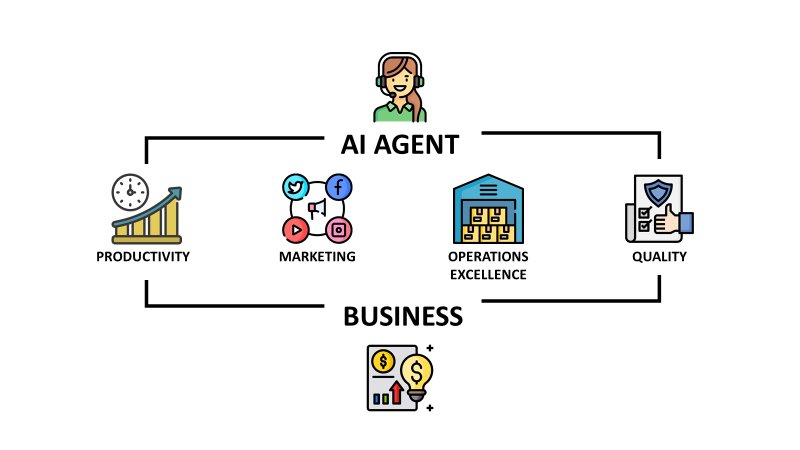
Approach 1: Focused on Productivity
To address clients’ primary concerns regarding productivity, it’s key to understand current workflows and estimate efficiencies they achieve through automation. For example, enabling a customer service admin to process more orders per hour saves costs directly related to labor. - Approach 2: Marketing Automation
Automation also plays a vital role in marketing, where smaller companies can leverage content distribution without large teams. For instance, automated newsletters can keep clients engaged while driving new business relationships.

Example of Automation: A Sustainability Newsletter — (Image by Samir Saci)
- Approach 3: Ensuring Quality and Compliance
For organizations dealing with strict regulatory environments, ensuring quality and compliance is critical. Using workflows that automate auditing of reports or filings can reduce errors and enhance reliability.
Continuous Advancement: Bridging Gaps
With automation tools transforming operational processes, the future of business will hinge on the ability to interconnect systems intelligently—minimizing the need for manual intervention between disparate technologies.
The opportunity for growth in this arena is vast, as potential customers are searching for reliable solutions to bridge gaps in their operations.
As each organization navigates this transformative landscape, the evolving role of AI agents will undoubtedly foster an environment where efficiency is maximized, and quality remains at the forefront.
Engaging in this journey of transformation not only empowers businesses but provides a valuable service in an increasingly automated world. For teams aiming to implement these solutions, connecting with experts and continually updating knowledge through shared experiences and real-world applications will be critical to ensuring success.