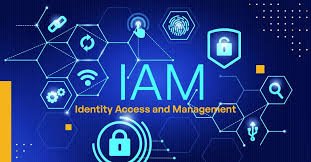
As organizations increasingly rely on digital systems, protecting sensitive data and systems has become a top priority. One of the most important components of modern cybersecurity is Identity and Access Management (IAM).
IAM systems help organizations control who can access specific resources, when they can access them, and what actions they are allowed to perform. By managing digital identities and permissions, businesses can reduce security risks and prevent unauthorized access to critical systems.
In this article, we explore what IAM is, why it is important, and how organizations can implement effective identity management strategies.
What Is Identity & Access Management (IAM)?
Identity & Access Management refers to the policies, technologies, and processes used to manage digital identities and control access to resources within an organization.
IAM ensures that only authorized users can access specific systems, applications, and data.
Major technology companies such as Microsoft and Okta provide IAM solutions that help organizations secure user access across digital environments.
Key components of IAM include:
- User authentication
- Access authorization
- Identity management
- Security monitoring
These systems are essential for maintaining strong cybersecurity practices.
Why IAM Is Important for Cybersecurity
Organizations handle sensitive information such as financial records, customer data, and internal communications.
Without proper identity management systems, unauthorized users could gain access to critical resources.
IAM helps organizations achieve several security goals.
Protecting Sensitive Data
IAM systems ensure that only authorized users can access sensitive information.
Preventing Unauthorized Access
Strong authentication mechanisms reduce the risk of hackers gaining access to accounts.
Improving Compliance
Many regulations require organizations to control access to sensitive data.
Enhancing Operational Efficiency
IAM automates access management processes, reducing administrative workload.
Core Components of IAM
IAM systems include several important components.
Authentication
Authentication verifies a user’s identity before granting access to a system.
Common authentication methods include:
- Passwords
- Biometrics (fingerprint or facial recognition)
- Security tokens
- One-time verification codes
Multi-factor authentication significantly improves security.
Authorization
Authorization determines what resources a user can access after their identity has been verified.
Different users may have different permission levels depending on their role within the organization.
User Provisioning
User provisioning involves creating, updating, and removing user accounts within systems.
Automated provisioning helps ensure that employees only have access to the resources required for their job roles.
Access Monitoring
IAM systems continuously monitor user activity to detect suspicious behavior.
Security teams can quickly respond to unusual access attempts or unauthorized actions.
Types of IAM Technologies
Several technologies support identity and access management.
Single Sign-On (SSO)
Single Sign-On allows users to log in once and gain access to multiple applications without repeatedly entering credentials.
Platforms such as Okta provide SSO solutions widely used in modern organizations.
Multi-Factor Authentication (MFA)
MFA requires users to verify their identity using multiple authentication factors.
For example:
- Password + mobile verification code
- Password + biometric authentication
MFA significantly reduces the risk of account compromise.
Privileged Access Management (PAM)
Privileged Access Management focuses on securing accounts with elevated permissions.
These accounts often belong to administrators who manage critical systems.
Identity Governance
Identity governance tools help organizations define policies for managing user identities and access rights.
These systems ensure compliance with security policies and regulatory requirements.
IAM in Cloud Environments
As businesses move their systems to the cloud, IAM becomes even more important.
Cloud platforms require strong access controls to protect applications and data.
Cloud providers such as Amazon Web Services offer IAM tools that allow organizations to define detailed access policies for cloud resources.
These tools help prevent unauthorized access to cloud infrastructure.
Benefits of Implementing IAM
Organizations that implement IAM systems gain several advantages.
Improved Security
Strong authentication and access control reduce cyberattack risks.
Centralized Identity Management
Organizations can manage all user identities from a single platform.
Better Compliance
IAM helps organizations meet regulatory requirements related to data protection.
Enhanced User Experience
Technologies such as Single Sign-On simplify the login process for employees.
Challenges of IAM Implementation
While IAM offers many benefits, organizations may face challenges during implementation.
Complex Infrastructure
Large organizations may have many applications and systems requiring integration.
User Adoption Issues
Employees may resist new authentication procedures if they find them inconvenient.
Managing Privileged Accounts
Admin accounts require careful monitoring to prevent misuse.
Integration with Legacy Systems
Older systems may not easily support modern IAM technologies.
Best Practices for Identity & Access Management
Organizations should follow several best practices to maximize IAM effectiveness.
Implement Multi-Factor Authentication
MFA adds an additional layer of security beyond passwords.
Use Role-Based Access Control
Users should only have access to the resources necessary for their job roles.
Regularly Review Access Permissions
Access rights should be audited regularly to ensure they remain appropriate.
Monitor User Activity
Security monitoring tools help detect suspicious login attempts.
Educate Employees
Employee awareness training helps prevent security mistakes.
The Future of Identity & Access Management
IAM technologies are continuing to evolve alongside cybersecurity threats.
Future developments may include:
Passwordless Authentication
Biometric and hardware-based authentication may replace traditional passwords.
AI-Powered Security Monitoring
Artificial intelligence detecting unusual login patterns and potential threats.
Decentralized Identity Systems
Blockchain-based identity solutions allowing individuals to control their digital identities.
Zero Trust Security Models
Organizations verifying every access request rather than trusting internal networks.
Final Thoughts
Identity and Access Management is a critical component of modern cybersecurity strategies. By managing digital identities and controlling access to sensitive systems, organizations can significantly reduce the risk of cyberattacks and data breaches.
As digital environments continue expanding, IAM systems will play an increasingly important role in protecting organizations, employees, and customers.
Investing in strong identity management technologies is essential for building a secure and resilient digital infrastructure.
SEO FAQs
Q: What is Identity and Access Management (IAM)?
IAM is a cybersecurity framework used to manage digital identities and control access to systems and data.
Q: What is the difference between authentication and authorization?
Authentication verifies identity, while authorization determines what resources a user can access.
Q: Why is IAM important for businesses?
IAM protects sensitive data, prevents unauthorized access, and helps organizations comply with security regulations.
Q: What is multi-factor authentication?
Multi-factor authentication requires multiple forms of identity verification before granting access.