
Non-Fungible Tokens (NFTs) and digital assets have transformed the concept of ownership in the online world. From digital art and music to virtual real estate and gaming items, NFTs have introduced blockchain-backed proof of authenticity and scarcity.
While the hype cycle has cooled since its peak, NFTs and digital assets remain a powerful innovation shaping Web3, creator economies, and decentralized finance.
In this guide, we explore what NFTs are, how digital assets work, real-world use cases, risks, and what the future holds.
What Are NFTs?
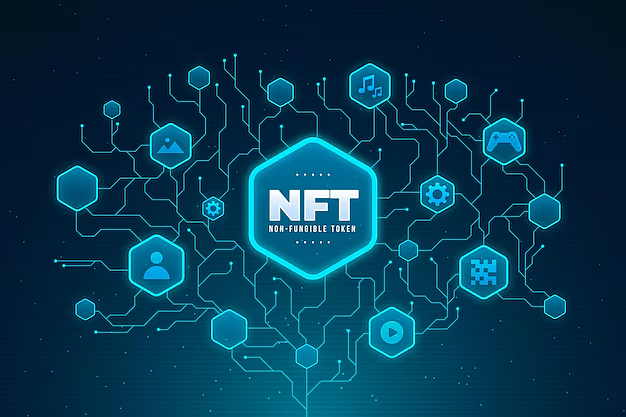
NFTs (Non-Fungible Tokens) are unique digital assets stored on a blockchain. Unlike cryptocurrencies such as Bitcoin, NFTs are not interchangeable — each token has distinct properties and ownership records.
Most NFTs are built on blockchains like Ethereum, which supports smart contracts and decentralized applications.
Key Characteristics:
- Unique digital identifier
- Verifiable ownership
- Immutable transaction history
- Scarcity through blockchain
What Are Digital Assets?
Digital assets extend beyond NFTs and include:
- Cryptocurrencies
- Tokenized real-world assets
- Digital art and collectibles
- Virtual land and in-game items
- Domain names
- Music and video rights
Digital assets are reshaping how value is created and exchanged online.
How NFTs Work
NFTs operate using smart contracts — self-executing code stored on a blockchain.
Here’s a simplified process:
- A creator “mints” an NFT on a blockchain
- Metadata is stored (image, music, video, etc.)
- The NFT is listed on a marketplace
- Buyers purchase using cryptocurrency
- Ownership is recorded permanently on-chain
Popular NFT marketplaces include OpenSea and Rarible.
Major NFT Use Cases
🎨 1. Digital Art & Collectibles
NFTs allow artists to:
- Prove authenticity
- Sell directly to buyers
- Earn royalties on secondary sales
This removes traditional gatekeepers in the art industry.
🎮 2. Gaming Assets
Blockchain gaming platforms use NFTs for:
- In-game skins
- Weapons
- Virtual land
- Play-to-earn tokens
Ownership allows players to trade assets freely.
🏢 3. Tokenized Real Estate
Real estate assets can be fractionalized through NFTs, allowing investors to own small portions of properties.
🎵 4. Music & Media Rights
Artists can tokenize albums and songs, giving fans exclusive access while retaining control over rights and revenue.
🌐 5. Metaverse Integration
NFTs power digital ownership in virtual worlds. Platforms like Decentraland allow users to buy and sell virtual land as NFTs.
The Rise of Utility NFTs
The NFT market is evolving beyond collectibles toward utility-based assets.
Examples include:
- Event ticket NFTs
- Membership access passes
- Identity verification tokens
- Digital certifications
Utility NFTs provide real-world value beyond speculation.
Benefits of NFTs & Digital Assets
✅ True Ownership
Users control their assets independently of centralized platforms.
✅ Transparency
Blockchain records ensure traceable ownership.
✅ Global Accessibility
Anyone with internet access can participate.
✅ Creator Empowerment
Artists earn royalties from resales.
Risks & Challenges
Despite their promise, NFTs face challenges:
⚠️ Market Volatility
Prices fluctuate heavily based on demand.
⚠️ Regulatory Uncertainty
Governments are still defining crypto regulations.
⚠️ Scams & Fraud
Fake projects and phishing attacks remain common.
⚠️ Environmental Concerns
Some blockchains consume high energy, though newer models are more efficient.
Security Tips for NFT Investors
- Use hardware wallets
- Verify official marketplace URLs
- Avoid suspicious airdrops
- Research project teams
- Diversify digital asset investments
Security remains critical in Web3 environments.
The Future of NFTs & Digital Assets
The NFT market is maturing. The focus is shifting from hype to utility, infrastructure, and long-term value.
Key trends to watch:
- Integration with mainstream brands
- AI-generated NFTs
- Cross-chain interoperability
- Institutional adoption
- Tokenization of real-world assets
NFTs are likely to become part of a broader digital identity ecosystem.
NFTs vs Traditional Assets
| Feature | NFTs | Traditional Assets |
|---|---|---|
| Ownership | Blockchain verified | Paper-based or centralized |
| Transfer Speed | Instant | Often slow |
| Global Access | Yes | Limited |
| Regulation | Evolving | Established |
NFTs offer flexibility but come with emerging risks.
Final Thoughts
NFTs and digital assets represent a shift toward decentralized ownership in the digital age.
While speculation once dominated headlines, the real innovation lies in tokenization, creator empowerment, and blockchain-based proof of ownership.
As Web3 technologies mature, NFTs may become foundational to how we interact with digital goods, virtual spaces, and online identity.
The future of ownership is digital — and NFTs are leading the way.
SEO FAQs
Q: What is an NFT?
An NFT is a unique digital asset stored on a blockchain that verifies ownership and authenticity.
Q: Are NFTs a good investment?
NFT investments carry high risk and volatility. Research and diversification are essential.
Q: Where can I buy NFTs?
NFTs can be purchased on marketplaces like OpenSea and Rarible using cryptocurrency.
Q: What is the difference between NFTs and cryptocurrency?
Cryptocurrencies are fungible and interchangeable, while NFTs are unique and non-interchangeable.