Transforming the Dairy Industry: Key Technology Trends
The dairy industry is undergoing a quiet but profound transformation. Rising consumer expectations, regulatory pressure, volatile supply chains, and shrinking margins are forcing dairy manufacturers to rethink how they operate. Traditional methods rooted in manual processes and disconnected systems are no longer sufficient to manage the complexity of modern dairy operations.
Digitalization of Milk Procurement and Collection
Milk procurement is the foundation of dairy manufacturing, historically one of the least digitized areas, relying heavily on manual data entry and fragmented systems. Today, dairy manufacturers are embracing digital solutions to streamline procurement processes. These technologies enable:
- Real-time data capture at milk collection centers.
- Automated quality testing and pricing based on fat and solid-not-fat (SNF) parameters.
- Transparent payment systems for farmers.
- Integration with weighing and testing equipment.
Digital procurement systems enhance data accuracy and strengthen relationships with farmers by ensuring fair and timely payments. As competition for high-quality milk intensifies, digitalizing procurement is becoming a strategic necessity rather than just an operational upgrade.
Adoption of Industry-Specific ERP Systems
Enterprise Resource Planning (ERP) systems have been used in manufacturing for a long time; however, generic platforms often fail to meet the unique requirements of dairy operations. The dairy sector involves perishable raw materials, complex recipes, batch traceability, and stringent regulatory compliance.
Consequently, dairy manufacturers are increasingly turning to industry-specific solutions, like dairy ERP platforms, that align with their operational workflows. Modern ERP systems support:
- End-to-end process integration from procurement to dispatch.
- Batch-wise production tracking and yield analysis.
- Inventory management based on shelf life and expiry.
- Financial consolidation and compliance reporting.
By integrating data across departments, ERP systems empower decision-makers to shift from reactive problem-solving to proactive planning.
Data-Driven Production Planning and Forecasting
Production planning in dairy manufacturing is inherently complex due to fluctuating demand and seasonal variations in supply. Traditional planning methods based on historical averages have become inadequate in today’s volatile market.
Advanced analytics and data-driven forecasting tools are transforming production planning by allowing:
- Demand forecasting using both historical and real-time data.
- Optimization of production schedules across multiple product lines.
- Reduction of waste and overproduction.
- Improved alignment between procurement, production, and sales.
By leveraging data analytics, dairy manufacturers can manage supply and demand more effectively while minimizing operational risks.
Automation in Processing and Quality Control
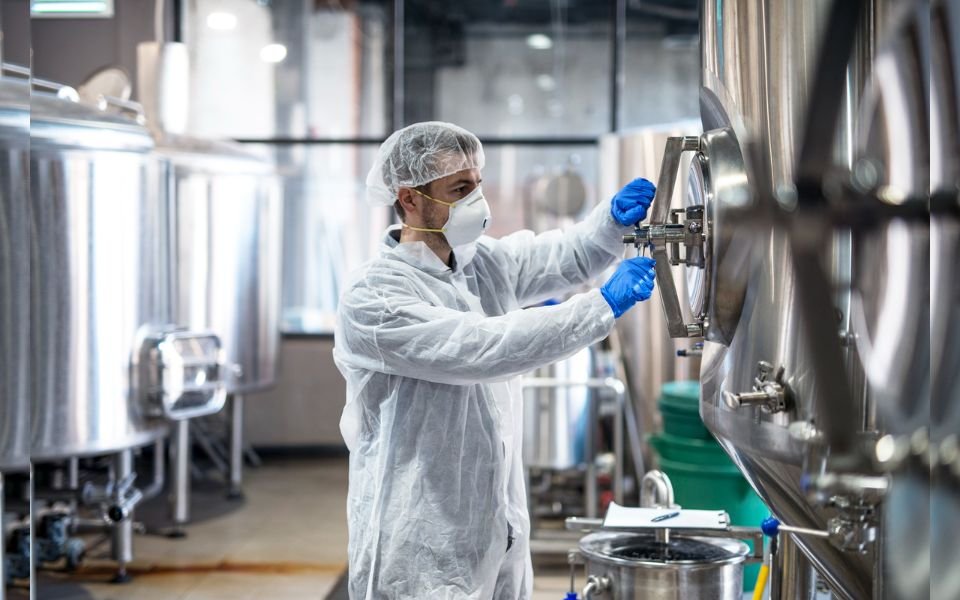
Automation is rapidly reshaping dairy processing plants, significantly enhancing efficiency and consistency. Key trends in automation include:
- Automated production lines with real-time monitoring.
- IoT-enabled sensors for monitoring temperature, pressure, and quality parameters.
- AI-driven quality inspection systems.
- Predictive maintenance of machinery.
Automation not only reduces human error but also bolsters compliance with food safety standards. In an industry where product quality can directly impact brand trust, investment in automation is increasingly critical.
Enhanced Traceability and Compliance Management
Traceability is no longer an option in dairy manufacturing. Regulatory bodies and consumers alike demand transparency across the supply chain, from farm to finished product. Technology-driven traceability solutions enable:
- Batch-level tracking of raw materials and finished goods.
- End-to-end visibility across procurement, production, and distribution.
- Rapid identification of affected batches during recalls.
- Compliance with national and international food safety standards.
Integrating ERP systems with traceability modules provides a unified platform for managing compliance while reducing administrative overhead.
Smart Inventory and Cold Chain Management
Managing inventory in dairy manufacturing poses unique challenges, primarily due to the perishable nature of products requiring cold storage. Poor inventory management can lead to significant financial losses. Emerging technologies in this space include:
- Real-time inventory tracking across warehouses and cold storage facilities.
- Use of FEFO (First Expiry, First Out) and FIFO (First In, First Out) algorithms.
- IoT-enabled cold chain monitoring.
- AI-based inventory optimization.
By integrating inventory data with production and sales systems, dairy manufacturers can make informed decisions about production volumes and distribution strategies.
Digital Transformation of Distribution and Sales
Distribution is among the most cost-intensive aspects of dairy manufacturing. Inefficient routing, delayed deliveries, and manual invoicing can reduce operational efficiency and customer satisfaction. Digital transformation initiatives in distribution include:
- Route optimization using GPS and analytics.
- Mobile applications for delivery personnel.
- Real-time order tracking and proof of delivery functionalities.
- Integration of sales data with ERP systems.
These technologies enhance service levels while helping to lower logistics costs.
Cloud-Based Platforms and Scalability
Cloud computing is fast becoming a crucial enabler of digital transformation in dairy manufacturing. Cloud-based platforms provide scalability, flexibility, and economic benefits over traditional on-premise systems. Benefits of cloud adoption entail:
- Faster implementation of digital solutions.
- Easy integration with third-party applications.
- Real-time access to data across multiple locations.
- Reduced infrastructure costs.
For growing dairy enterprises with multi-location operations, cloud-based ERP and analytics platforms offer the agility needed to scale operations effectively.
Integration of AI and Machine Learning
Artificial Intelligence (AI) and Machine Learning (ML) are slowly making their way into dairy manufacturing, holding significant potential for the future. Key use cases include:
- Predictive demand forecasting.
- Quality anomaly detection.
- Optimization of production recipes.
- Intelligent pricing models.
As data maturity increases, AI-driven insights are expected to play a larger role in strategic decision-making within dairy enterprises.
Shift Toward Integrated Digital Ecosystems
One of the most significant trends in dairy manufacturing is the movement from isolated systems to integrated digital ecosystems. Organizations are moving towards unified platforms that offer end-to-end visibility instead of using separate tools for procurement, production, inventory, and finance. Integrated systems enable:
- Seamless data flow across departments.
- Faster decision-making.
- Improved collaboration between stakeholders.
- Higher operational transparency.
In this landscape, solutions built around dairy ERP frameworks are emerging as the fundamental infrastructure for digital transformation in the dairy industry.
As technology continues to redefine how dairy manufacturing operations are managed, organizations must strategically prioritize digital initiatives to harness measurable business impact. Embracing these trends will enable manufacturers to navigate complexities, ensure compliance, and achieve sustainable growth in an increasingly competitive marketplace.