The Surge of Online Shopping and Its Logistic Innovations in Singapore
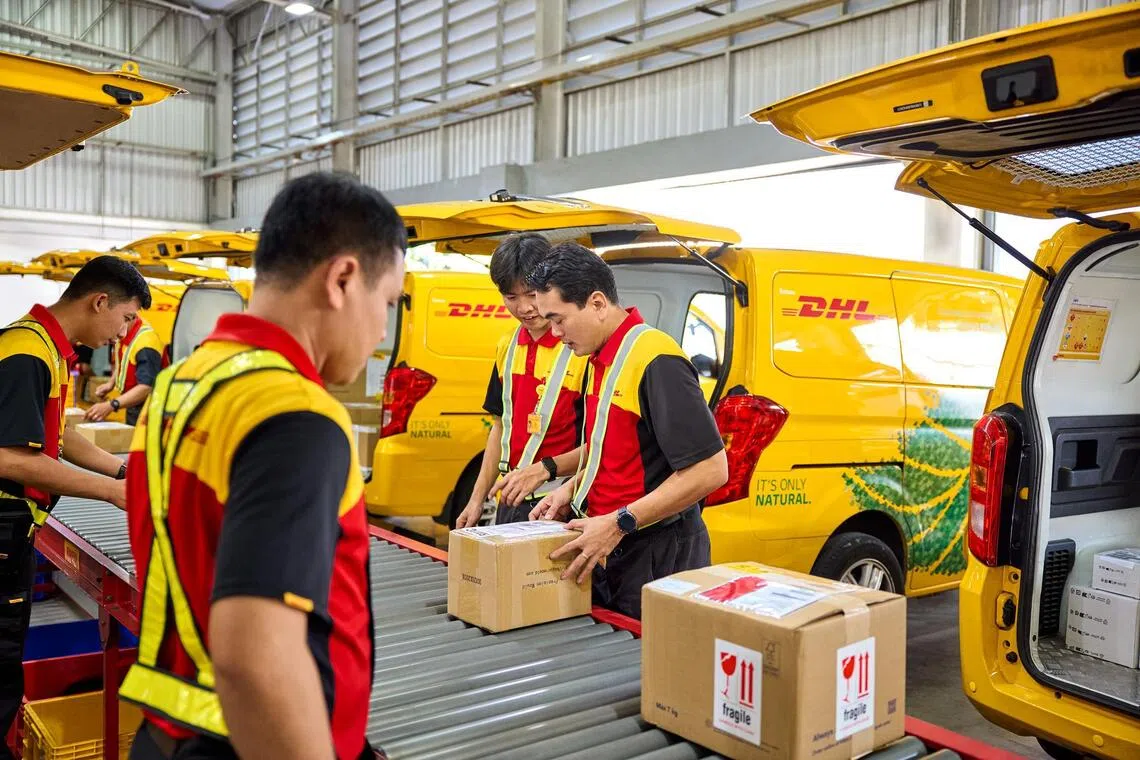
As the year-end holidays approach, Singapore is witnessing a significant spike in online shopping activity and international mail. This annual surge prompts delivery firms to gear up for what is anticipated to be another peak month of parcel volumes this December. With the support of cutting-edge technologies, logistics companies are primed to handle increased demand seamlessly.
AI in Logistics: A Game Changer
To tackle the burgeoning demand, delivery firms are leveraging sophisticated artificial intelligence tools. These innovations not only streamline operations but also enhance accuracy and efficiency in a rapidly evolving logistics landscape. One of the standout advancements is DHL Express’s AI-powered robotic arm located in its Singapore sorting facility. This remarkable piece of technology can sort over 1,000 small parcels every hour with a striking 99 percent accuracy.
Christopher Ong, managing director of DHL Express Singapore, emphasizes the importance of such investments, stating, “Our ongoing investments in robotics and automation are especially vital to support the surge in volume this peak season.” This commitment to technology extends to their courier devices, which come equipped with route optimization intelligence, enabling drivers to maximize delivery productivity—and importantly, to ensure timely parcel arrivals for customers.
FedEx and the Power of Automation
Similarly, FedEx Singapore is embracing automation with an AI-enabled robotic sortation arm at its South Pacific Regional Hub in Changi Airport. This technology efficiently processes up to 1,000 packages an hour destined for 100 different locations. Last-mile delivery is being enhanced by digital route-planning tools, such as the Stop Sequencing Optimiser. This smart system arranges parcel drop-offs in the most efficient order, effectively cutting down on travel time for couriers.
Adding to its modern toolkit, FedEx is teaming up with robotics startups like QuikBot for automated deliveries. These robots, guided by AI, can autonomously navigate lifts and reach individual floors, presenting a seamless, contactless delivery experience without relying on human assistance. Eric Tan, managing director of FedEx Singapore, notes they are ramping up temporary manpower, deploying additional couriers, and adjusting shifts to handle the surge in deliveries.
Shifting Consumer Habits and Growing Demand
The data paints a vivid picture of changing consumer behavior during this holiday season. According to FedEx’s Asia-Europe Trade report, a significant portion of Singaporean consumers are commencing their holiday shopping earlier, with 34 percent starting in October. Online shopping is on the rise, with 45 percent of consumers planning to shop more digitally than in previous years, a trend that uniquely positions Singapore within Asia-Pacific’s longest festive shopping window.
These shifting patterns are not only affecting traditional e-commerce last-mile delivery but also influencing broader sectors. Ninja Van reports notable increases in parcel volumes across various logistics verticals, including cold chain and cross-border deliveries. Justina Sim, country manager for Ninja Van Singapore, noted, “Even during our traditionally busiest period for cold-chain operations, this year’s growth has been remarkable.”
Cold Chain Logistics on the Rise
Cold chain logistics—a specialized supply chain management system for temperature-sensitive products—has gained prominence. Ninja Van recorded a staggering fivefold increase in cold chain volume in November 2025 compared to the same period last year. Additionally, cross-border deliveries between Singapore and neighboring countries like the Philippines and Malaysia have surged by over 60 percent since October due to the year-end sales period.
To keep pace with this influx, Ninja Van is harnessing AI technologies to optimize complex multi-driver routes. This efficiency allows drivers to handle more deliveries and improve overall operational readiness. They are also developing a Telegram bot to automate business-to-business delivery management and increasing machine maintenance frequency to avoid breakdowns.
E-Commerce Platforms Adapting to Demand
As logistics companies prepare for the influx in parcel volumes, e-commerce platforms are equally focused on optimizing their operations. Zalora is utilizing AI-generated order-volume forecasts and an internal warehouse management system to maintain operational agility. Vykintas Mineikis, chief operating officer, highlights the significance of technology, stating the need to quickly respond to seasonal pressures while ensuring reliable customer experiences.
Shopee, on the other hand, made history by delivering almost one million items during its recent 11.11 sales event. As it gears up for the 12.12 sales, Shopee’s logistics network—an integrated system of third-party partners—facilitates smoother shipment arrangements. Their "Next Day Delivery Programme" also allows sellers who self-manage deliveries to access increased pick-up frequencies, ensuring timely service.
Conclusion: The Future of Logistics in Singapore
Amidst these transformations, logistics and e-commerce companies in Singapore are not just adapting to a seasonal surge; they are evolving through technology, embracing AI, and optimizing every aspect of their operations to meet growing consumer demands. The focus shifts not only to managing logistics efficiently but also to fostering a seamless customer experience throughout this bustling holiday period.