The Rise of Smart Homes: Balancing Convenience with Security
The surge in smart home technology has revolutionized the way we live, transforming mundane household tasks into seamless experiences. From smart refrigerators that help manage groceries to thermostats that learn your preferences, connected devices enhance our daily lives significantly. However, with this increased convenience comes a critical concern: the rise of cyber threats targeting these smart appliances.
The Convenience of Smart Devices
Smart homes rely on appliances that can connect to the internet, allowing for remote access and control. Imagine adjusting your thermostat from work, checking your security cameras through your smartphone, or even receiving alerts when your laundry finishes. The convenience is unmatched, making daily routines more efficient and often energy-saving.
Yet, behind that convenience lies a web of interconnected devices, each potentially vulnerable to cybercriminals. With these devices collecting valuable data, from user preferences to personal schedules, the risk of unauthorized access grows exponentially.
The Cybersecurity Threat Landscape
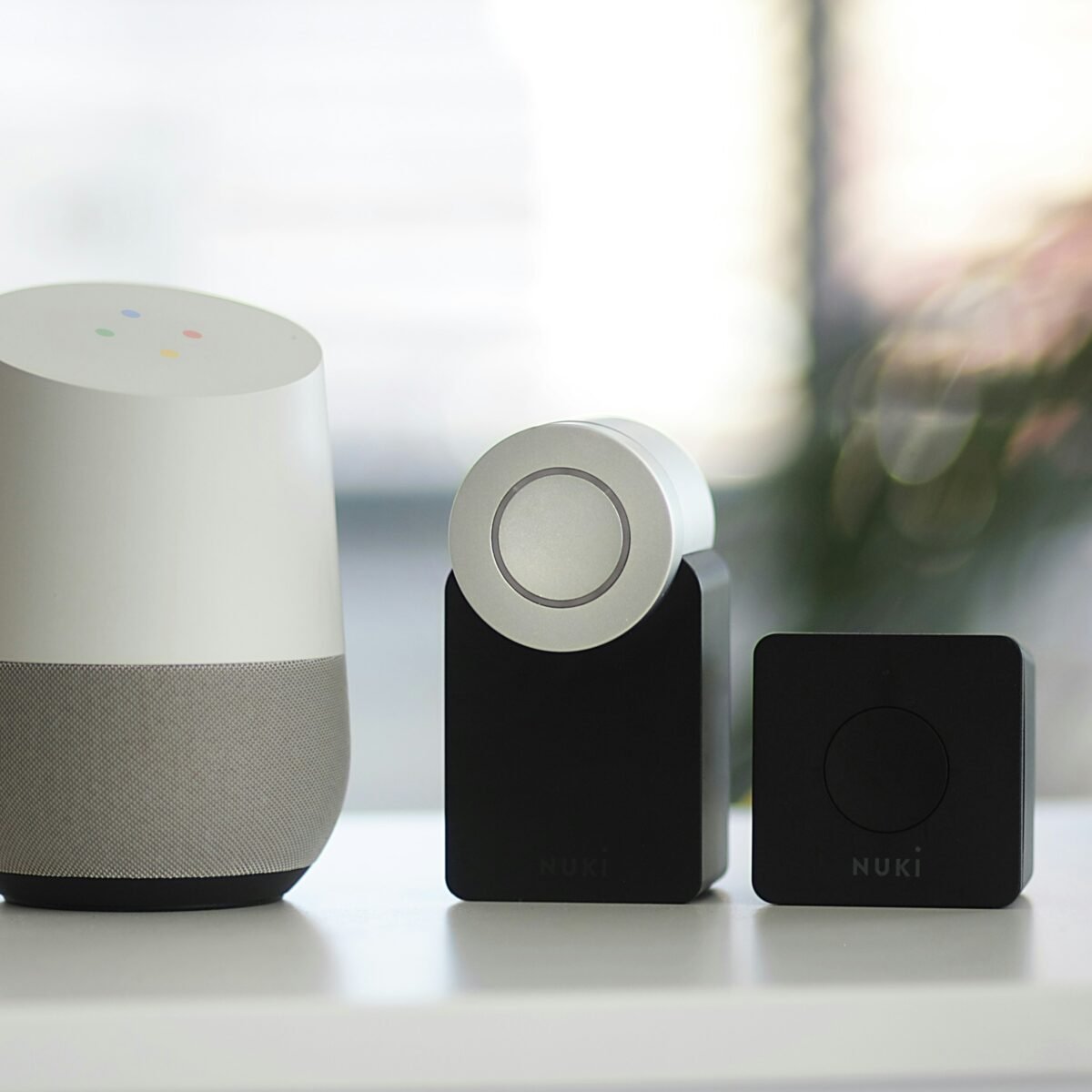
The connection of devices creates a larger attack surface for cybercriminals. Common smart home items like cameras, smart locks, or even voice assistants have been targeted for exploitation. Once a hacker infiltrates one device, they can gain access to your home network, potentially compromising sensitive personal information.
Historically, instances of individual appliances being hacked have raised alarms about the safety of smart homes, from unauthorized surveillance through cameras to disruptive breaches where hackers take control of appliances. Such incidents underline the need for a proactive approach to smart appliance security.
Essential Network and Device Setup for IoT Hacking Prevention
Securing Your Home Network
A robust home network is the backbone of smart appliance security. Begin by using strong, unique Wi-Fi passwords and enabling WPA3 encryption. This serves as an essential barrier against unauthorized intruders.
Separate Your Networks
To enhance security, consider creating separate networks for your smart devices, known as VLANs, or use dedicated guest networks. Isolating devices means that if one becomes compromised, your more sensitive devices—like personal computers and smartphones—remain protected.
Change Default Credentials
Default usernames and passwords are often easy targets for hackers. After setting up each device, promptly change the default login information and enable two-factor authentication whenever possible. This can significantly reduce unauthorized access risks.
Key Setup Steps to Enhance IoT Security:
- Use strong, unique Wi-Fi passwords and enable WPA3 encryption for your home network to prevent unauthorized access.
- Create separate networks for smart appliances and personal devices using VLANs or guest networks, isolating critical devices from potential breaches.
- Change default credentials on all devices immediately after setup, as default usernames and passwords are a common attack vector.
- Enable two-factor authentication (2FA) where available to add an extra security layer for device access.
- Regularly review connected devices and remove any that are unused or unknown to reduce attack surfaces.
Maintenance Practices Enhancing Home Security Tech
Regular Firmware Updates
Like traditional computers, smart devices require regular firmware updates to patch any known vulnerabilities. Always keep an eye on the manufacturer’s website or set up automatic updates if available. Timely updates can serve as a strong line of defense against emerging threats.
Utilize Monitoring Tools
Employing network monitoring tools can help detect unusual activities or unauthorized access attempts. Some smart appliances come with built-in alerts that can notify you of suspicious behavior, allowing you to respond promptly.
Choosing Devices With Built-In Security Features
When selecting smart appliances, prioritize security features along with functionality. Opt for devices that offer:
- Built-in encryption to safeguard data transmitted over networks.
- Automatic updates to ensure ongoing protection against new vulnerabilities.
- Strong authentication mechanisms, like two-factor authentication or biometric access.
- Tamper-resistant components to prevent both physical and digital interference.
Frequently Asked Questions
1. Do smart appliances need antivirus software?
Most smart appliances do not support traditional antivirus software. Instead, the focus should be on securing your network, keeping devices updated, and utilizing built-in security protections.
2. How often should smart appliance firmware be updated?
It’s advisable to check for updates at least every few weeks or whenever manufacturers announce security patches to safeguard against potential vulnerabilities.
3. Can hackers control my smart fridge remotely?
Yes, if left unsecured with default settings, unsecured devices can be compromised. Strong passwords, network isolation, and consistent firmware updates can significantly mitigate this risk.
4. What is the safest Wi-Fi setup for IoT devices?
Utilizing a separate network for smart appliances, enabling WPA3 encryption, and creating strong, unique passwords is critical. VLANs or guest networks can offer extra isolation and security.
By understanding the unique risks associated with smart home technology and implementing targeted strategies for protecting both your network and devices, you can enjoy the benefits of advanced appliances without the worry of cyber threats. A proactive approach to security not only enhances your smart home experience but also safeguards your personal data, ensuring peace of mind in this connected era.