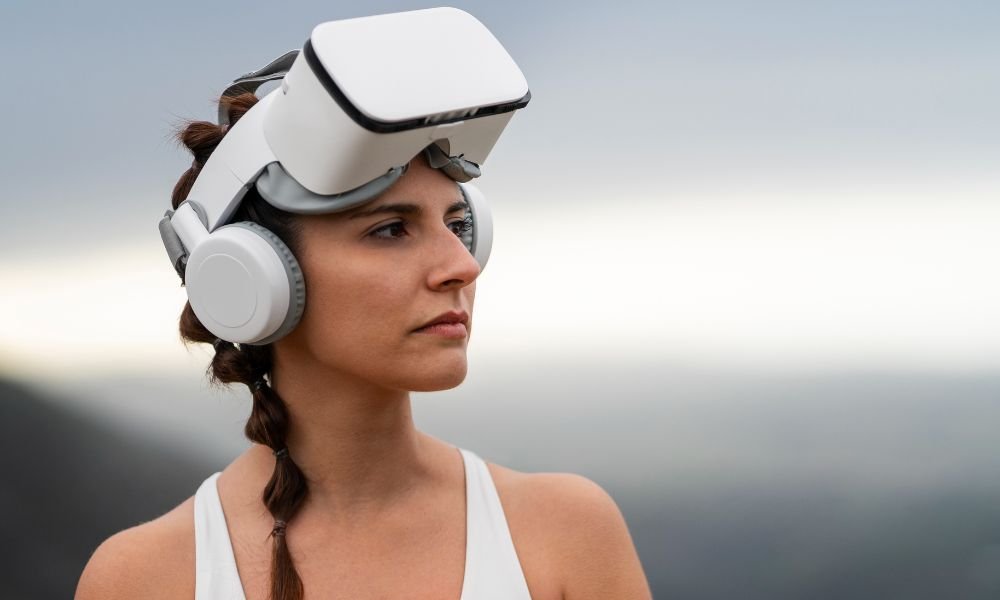
The Evolution of Wearable Devices: Empowering Daily Lives
Wearable devices have come a long way over the past decade, showcasing the remarkable advancements in personal technology. What originally started as basic step counters and simple wristbands for movement tracking has now blossomed into sophisticated digital companions. These devices not only monitor health, but also enhance lifestyle choices and streamline everyday tasks, reflecting our increasing demand for convenience and efficacy. Today, plant pots have evolved into smart rings capable of analyzing sleep patterns, heart rates, stress levels, and a variety of environmental factors—all packed into compact designs.
From Early Concepts to Everyday Essentials
Wearable technology’s journey didn’t kick off with the fitness tracker explosion of the early 2010s; its foundations date back to early computing devices, digital watches, and even mechanical gadgets that predate modern electronics. The tipping point into mass adoption, however, came when affordable compact sensors and Bluetooth connectivity emerged. With this new technology, tracking steps, heart rate, and calories became achievable for the general public with surprising accuracy.
The First Generation: Simplicity Over Sophistication
The initial wave of consumer wearables prioritized one core function: movement tracking. Pedometers, basic heart-rate monitors, and early sports watches gained popularity among fitness enthusiasts. While these early devices were far from perfect, they introduced the concept of capturing personal health data on the go. Lightweight and user-friendly, they required minimal technical knowledge, paving the way for increased consumer engagement. As users grew accustomed to digital tracking, their expectations evolved, leading to demand for wearables that could monitor metrics beyond mere exercise, such as sleep, stress, and overall lifestyle patterns.
The Rise of Wearable Tech for Fitness
The transformative breakthrough occurred when companies integrated sensors, apps, and cloud storage, allowing users to monitor their health over an extended timeline. This revolution catalyzed the popularity of wearable fitness technology. Running watches began accurately tracking pace and distance, while wristbands provided continuous heart-rate monitoring. Even waterproof models made it possible to analyze swimming sessions without removing the device.
These innovations enabled users to scrutinize their workouts with an unprecedented level of precision. Fitness wearables also offered personalized coaching features, helping users set and achieve fitness goals by providing insights based on data collected over time.
Why Fitness-Oriented Wearables Dominate the Market
Several key factors contribute to the popularity of fitness-focused wearables:
- Clear Data Representation: Users appreciate easily understandable health metrics.
- Habit Formation: Regular updates and reminders promote consistent fitness routines.
- Seamless Integration: Compatibility with smartphones and wellness apps enriches the user experience.
Today, wearable fitness technology has transcended the realm of athletes, appealing to office-goers, students, and casual hobbyists eager to structure their wellness journeys.
Wearables for Health Tracking: A New Era of Wellness
As technology advanced, wearables evolved from mere step-counting tools to comprehensive health tracking devices. The surge in demand for health-oriented wearables stems from users seeking insights into their sleep quality, oxygen levels, heart rhythms, and stress responses. This shift transformed wearables from fitness gadgets into holistic wellness tools.
More Than Exercise Monitoring
Modern wearables boast an impressive array of features, including:
- Irregular Heart Rhythm Detection: Early warning signs of potential health issues.
- Skin Temperature Monitoring: Spotting changes in body temperature can indicate health concerns.
- Blood Oxygen Level Tracking: Crucial for people with respiratory conditions.
- Sleep Stage Analysis: Offering insights into sleep quality and patterns.
- Stress Pattern Detection: Utilizing heart-rate variability to assess stress.
- Long-Term Health Reports: Comprehensive overviews that aid in ongoing health management.
These features empower users to better comprehend the intricate relationship between their lifestyle choices and overall well-being. Notably, continuous monitoring that was once found only in medical labs is now accessible to anyone with these devices.
Expanding Into Preventive Care
One of the most significant advancements is the ability of wearables to alert users about potential health concerns before they escalate. Whether it’s spotting irregular heart rates or detecting heightened stress levels, early warnings empower users to address potential issues proactively, often leading to timely consultations with healthcare providers.
The collaboration between consumer wearables and healthcare professionals is still in its infancy but holds the promise of facilitating a new model where technology plays a crucial role in managing health.
The Power of Wearable Technology Designs
A vital aspect of the evolution of wearable devices lies in the improvement of their design and ergonomics. Earlier iterations may have focused on functionality but often resulted in bulkiness. Modern wearables prioritize elegance and comfort, making them indispensable parts of daily life.
Smaller, Smarter, More Stylish
Design innovations include:
- Slim Profiles: Devices feel natural on the wrist or finger without being obtrusive.
- Lightweight Materials: Using titanium and medical-grade plastics enhances comfort.
- Flexible Bands: Adjustable structures accommodate various user preferences.
- Minimalist Displays: Some wearables adopt screenless interfaces to reduce distractions.
- Durability: Improved waterproofing ensures the devices can withstand various conditions.
- Efficient Battery Life: Longer battery life is achievable thanks to advanced chipsets.
These advancements allow wearables to seamlessly integrate into everyday life—whether during a meeting, workout, or sleep.
Screenless Wearables on the Rise
A growing trend in the realm of wearables is the shift towards devices without screens. Smart rings, patches, and clip-ons are gaining traction due to their simplicity and unobtrusiveness. They cater to users who prefer tracking health metrics without the constant distraction of a glowing screen, aligning well with the broader consumer move toward mindful technology usage.
Where the Future of Wearable Tech Is Heading
Looking ahead, the landscape of wearable technology promises to be more personal, intuitive, and interconnected. Future devices are expected to shrink in size while increasing in capability, blending effortlessly with attire, accessories, and even the human body.
What’s Next? Key Future Trends
Several exciting developments are poised to shape the next generation of wearables:
1. Advanced Biomonitoring
Sensors will continue to evolve, providing real-time tracking of a vast array of parameters, including blood metrics, hydration levels, and stress hormones. Wearables may soon assist in diagnosing conditions early through predictive analytics.
2. Smart Fabrics and Embedded Clothing
Imagine clothing that can monitor posture, muscle activity, and movement without the need for separate devices. This could redefine the concept of wearables altogether.
3. AI-Driven Personal Coaching
The use of AI to analyze long-term user data could lead to tailored suggestions, ranging from workout adjustments to optimal sleep patterns.
4. Invisible and Implantable Wearables
Advancements may bring about devices that are nearly invisible, blending seamlessly with the body or operating automatically without user interaction.
5. Unified Ecosystems
Wearable technology will increasingly align with home devices, vehicles, and medical networks, enhancing the synergy between lifestyle and digital environments.
The Road Ahead
As these innovations unfold, the trajectory of wearable devices will continue to reflect shifting priorities, improved health monitoring, lower energy consumption, and deeper integration into daily routines.
The Evolution of Wearable Devices: A Journey Still Unfolding
The evolution of wearable technology illustrates the profound impact of small gadgets. From simple tracking devices to intricate companions for well-being, wearables are equipped to decipher complex physical signals and contribute significantly to our health and lifestyle. As wearable technology continues to flourish—marking its dominance in fitness, expanding to health tracking, and undergoing constant design advancements—the future promises remarkable innovations. Whether through smarter rings, intelligent fabrics, or virtually invisible sensors, the evolution of wearable devices signals a transformative journey that empowers individuals to remain informed, connected, and engaged in their health.