Introduction
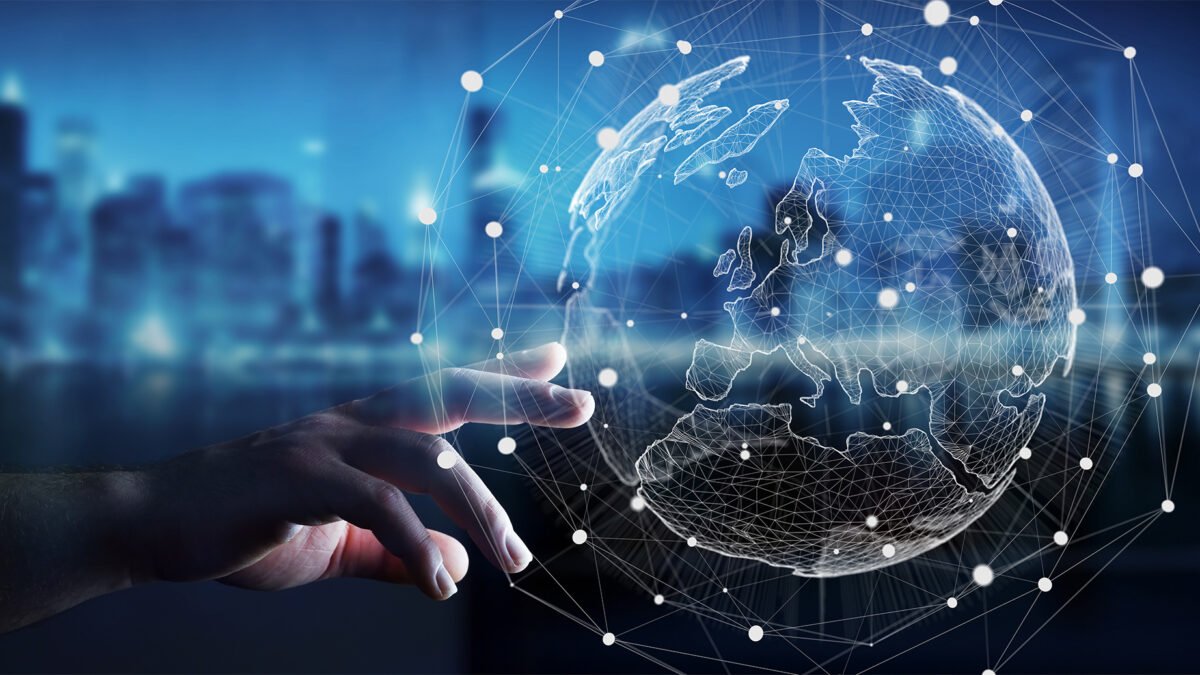
The web has evolved dramatically—from static HTML pages in the 1990s to interactive, AI-powered platforms that connect billions of users worldwide. As emerging technologies accelerate innovation, the future of the web promises to be more decentralized, intelligent, immersive, and user-centric than ever before.
In this article, we explore the key trends shaping the future of the web, emerging technologies driving change, and predictions for how the digital landscape will evolve in the coming years.
From Web 1.0 to Web 3.0: A Quick Evolution
🌐 Web 1.0 – The Static Web
The early web focused on information sharing. Websites were static, read-only pages with minimal interaction.
🔄 Web 2.0 – The Social Web
The rise of platforms like Facebook and YouTube transformed the web into an interactive space driven by user-generated content.
🔗 Web 3.0 – The Decentralized Web
Web3 emphasizes decentralization, blockchain integration, and user ownership of data. Technologies like Ethereum enable decentralized applications (dApps) and smart contracts.
Key Trends Shaping the Future of the Web
🤖 AI-Powered Web Experiences
Artificial Intelligence is becoming the backbone of modern web experiences. AI enables:
- Personalized recommendations
- Chatbots and virtual assistants
- Smart search engines
- Automated content creation
Companies such as OpenAI are advancing conversational AI that reshapes how users interact with websites.
🕶️ Immersive Web (AR & VR Integration)
The future web may blend physical and digital worlds through:
- Augmented Reality (AR) shopping experiences
- Virtual Reality (VR) collaboration spaces
- 3D web interfaces
As hardware becomes more accessible, immersive web applications will gain mainstream adoption.
🔐 Privacy-First & Decentralized Platforms
Users are increasingly demanding more control over their data. Future web platforms are expected to:
- Minimize third-party tracking
- Implement end-to-end encryption
- Adopt decentralized identity systems
- Reduce reliance on centralized servers
Blockchain-based solutions may redefine digital ownership and online identity.
⚡ Faster, Edge-Powered Infrastructure
With the expansion of 5G, edge computing, and content delivery networks (CDNs), websites will:
- Load almost instantly
- Deliver real-time data processing
- Provide seamless streaming experiences
Performance will become a competitive advantage for businesses.
📱 Mobile-First & Device-Agnostic Web
The web is becoming more responsive across:
- Smartphones
- Tablets
- Wearables
- Smart TVs
- IoT devices
Future web applications will adapt dynamically to multiple device types.
Emerging Technologies Influencing the Web
🌍 Decentralized Finance (DeFi)
Blockchain-based financial services allow users to transact without traditional banks.
🧠 Semantic Web
The semantic web aims to make online data machine-readable, enabling smarter search and automation.
🧑💻 Progressive Web Apps (PWAs)
PWAs combine the best of web and mobile apps, offering offline capabilities and app-like performance.
Predictions for the Next 5–10 Years
🔮 AI-Integrated Browsers
Web browsers may incorporate built-in AI assistants for summarizing content, managing tasks, and improving search.
🔮 Tokenized Digital Economies
Web platforms could integrate crypto-based incentives for creators and users.
🔮 Decentralized Social Networks
Users may migrate toward platforms that offer greater data ownership and transparency.
🔮 Hyper-Personalized Experiences
Websites will dynamically adjust layouts, content, and recommendations based on user behavior in real time.
Challenges Ahead
Despite innovation, the future web faces obstacles:
- Regulatory uncertainty around Web3
- Cybersecurity threats
- Misinformation and AI-generated content risks
- Infrastructure inequalities in developing regions
Balancing innovation with security and accessibility will be crucial.
Conclusion
The future of the web is intelligent, decentralized, immersive, and user-focused. As AI, blockchain, edge computing, and immersive technologies converge, the digital experience will become more seamless and interactive than ever before.
Businesses, developers, and users who stay informed about these trends will be best positioned to thrive in the next phase of internet evolution.
The web isn’t just evolving—it’s being reimagined.
FAQs (SEO-Optimized)
Q: What is Web 3.0?
Web 3.0 refers to a decentralized version of the internet that emphasizes user ownership, blockchain integration, and intelligent systems.
Q: Will AI dominate the future web?
AI will play a major role by enhancing personalization, automation, and search capabilities.
Q: Is the decentralized web replacing traditional platforms?
Not immediately, but decentralized technologies are influencing how platforms operate and manage data.