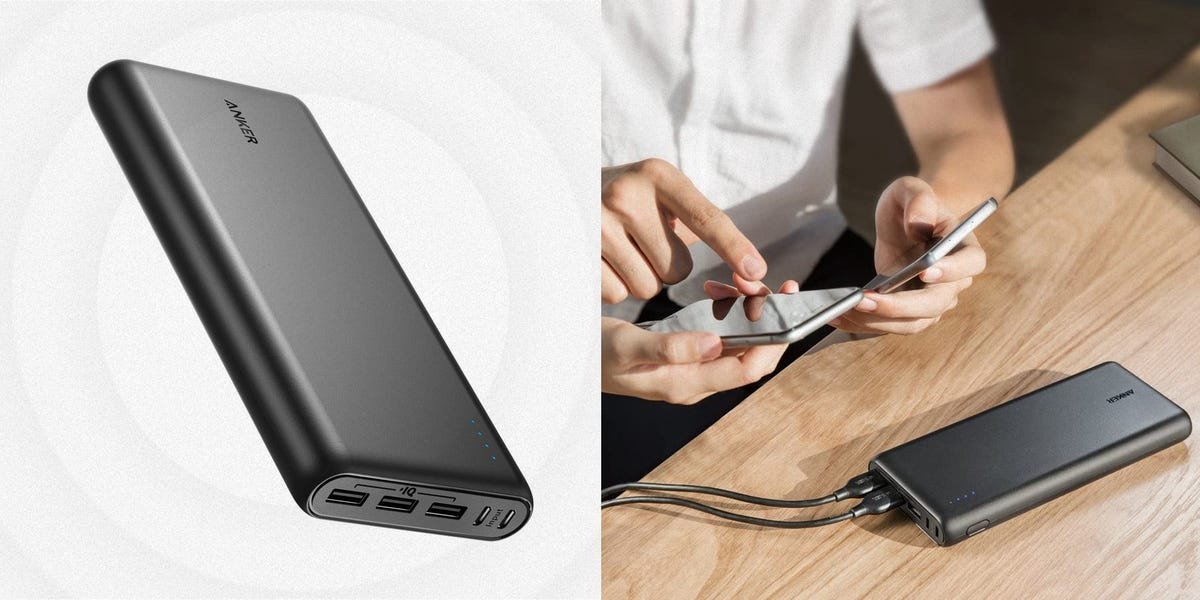
Connectivity
Connectivity is a crucial element when it comes to choosing a power bank, as it directly impacts how efficiently your devices can be charged. A power bank typically features a variety of input ports for charging itself—these often include USB-A, USB-C, micro-USB, and Lightning ports. On the output side, you’ll find such ports that deliver power to your gadgets, ensuring they stay charged on the go. Given the plethora of connection types available across different brands of portable power banks, smartphones, tablets, laptops, and other electronics, it’s essential to select a power bank with ports that match the devices you use regularly. This attention to connectivity will save you from the frustration of incompatible cables and chargers.
Most power banks come equipped with at least one USB port for output and successfully accommodate multiple connector types including USB-C, micro-USB, and Lightning. If you find yourself juggling different devices and connectors, an affordable set of USB adapters can be incredibly helpful in ensuring you won’t face any connection issues down the line.
Battery Capacity
When considering a power bank, battery capacity stands out as one of the most significant factors, as it dictates how much energy can be stored and subsequently delivered to your devices. Your needs primarily depend on the types of gadgets you intend to charge, the duration you require power, and how often you plan to recharge your power bank itself. Generally, a higher battery capacity also translates to a higher price point, so finding the right balance is essential. If you often seek the convenience of fast charging, need to recharge larger devices, or frequently charge multiple gadgets simultaneously, opting for a power bank with a robust capacity is advisable.
Power bank battery capacity is typically measured in milliampere-hours (mAh). Low-capacity banks, which typically range from 1,000mAh to 5,000mAh, are most suitable for smaller devices like smartphones and Bluetooth headphones. Medium-capacity options, ranging from 6,000mAh to 15,000mAh, are ideal for recharging multiple smartphones or a tablet. For those who require extensive power for long travels or laptops, high-capacity power banks with capacities of 16,000mAh to 30,000mAh are often the best bet.
Charging Time
Another significant aspect to consider is charging time. The power output of your portable charger directly influences the speed at which your devices can recharge. In general, the greater the power output, the faster your devices will charge. For an efficient charging experience, it’s wise to look for power banks that boast higher wattage (W) or come with a USB PD designation, indicating certification for fast charging.
Most portable power banks on the market usually fall within a range of 10W to 100W. It’s vital to verify if your devices are compatible with fast-charging functionalities, as this will allow you to fully benefit from quicker charging times. Typically, devices that support USB PD and are equipped with USB-C ports are associated with these accelerated charging capabilities.
Extra Features
Beyond connectivity, battery capacity, and charging times, many power banks also come with extra features that enhance user experience. For example, some devices include handy kickstands, giving you the freedom to prop your phone while charging, which is perfect for video calls or streaming. Additionally, a power bank with solar charging capabilities is especially beneficial for outdoor enthusiasts or campers who might be away from traditional power sources. Moreover, some power banks can plug directly into wall outlets, thereby functioning as conventional chargers when they are not in use.