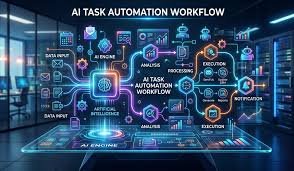
Work productivity has always been a key factor in business success, but in today’s digital age, the way we define and achieve productivity is rapidly changing. Advances in technology, evolving work environments, and shifting employee expectations are transforming how individuals and organizations approach work.
From AI-powered tools to remote collaboration platforms, productivity is no longer just about working harder—it’s about working smarter.
In this article, we explore the latest trends shaping work productivity, the tools driving efficiency, and how businesses and professionals can stay ahead.
What Is Work Productivity?
Work productivity refers to how efficiently tasks are completed within a given timeframe. It measures how effectively individuals and teams use their time, skills, and resources to achieve goals.
Modern productivity focuses on:
- Efficiency
- Output quality
- Time management
- Work-life balance
Companies such as Microsoft and Google are leading innovation in productivity tools that help teams collaborate and manage workflows efficiently.
Key Trends in Work Productivity
The workplace is evolving, and several major trends are shaping how productivity is achieved.
AI-Powered Productivity Tools
Artificial intelligence is becoming a core driver of productivity.
AI tools can assist with:
- Writing and content creation
- Data analysis
- Scheduling and task management
- Customer support automation
Organizations like OpenAI are developing AI systems that help automate repetitive tasks and improve efficiency.
AI allows workers to focus on more strategic and creative activities.
Remote and Hybrid Work Models
Remote work has become a standard part of modern work culture.
Collaboration tools such as Slack and Zoom allow teams to work together regardless of location.
Benefits include:
- Flexible work schedules
- Reduced commuting time
- Increased job satisfaction
However, maintaining communication and productivity in remote environments requires structured workflows and clear expectations.
Automation and Workflow Optimization
Automation tools help streamline processes and reduce manual work.
Examples include:
- Automated email responses
- Data entry automation
- Workflow automation systems
- Chatbots for customer service
Automation improves productivity by saving time and reducing human error.
Digital Collaboration Platforms
Teams rely on digital platforms to manage projects and communicate effectively.
These tools allow:
- Real-time communication
- Task tracking
- Document sharing
- Team collaboration
Cloud-based collaboration systems ensure that teams remain connected and productive.
Focus on Employee Well-Being
Productivity is no longer just about output—it also involves employee well-being.
Organizations are recognizing that:
- Burnout reduces efficiency
- Mental health affects performance
- Work-life balance improves long-term productivity
Companies are introducing flexible work policies and wellness programs to support employees.
Productivity Tools Transforming Work
Modern professionals use a variety of tools to improve productivity.
Task Management Tools
These tools help organize tasks, set deadlines, and track progress.
Cloud-Based Platforms
Cloud systems allow teams to access files and collaborate from anywhere.
Time Management Tools
Time-tracking tools help individuals understand how they spend their time and improve efficiency.
AI Writing Assistants
AI-powered tools help create content, emails, and reports quickly and efficiently.
Challenges Affecting Productivity
Despite technological advancements, several factors can reduce productivity.
Digital Distractions
Constant notifications and online distractions can interrupt focus.
Information Overload
Too much data and communication can overwhelm employees.
Poor Communication
Lack of clear communication leads to misunderstandings and delays.
Burnout
Overworking without proper rest can reduce efficiency and motivation.
Strategies to Improve Work Productivity
Individuals and organizations can take steps to enhance productivity.
Prioritize Tasks
Focus on high-impact activities.
Use Automation
Automate repetitive tasks to save time.
Minimize Distractions
Reduce interruptions to maintain focus.
Implement Structured Workflows
Use time management techniques such as time blocking.
Invest in Skill Development
Continuous learning improves efficiency and adaptability.
The Future of Work Productivity
Work productivity will continue evolving as technology advances.
Future trends may include:
AI Co-Pilots
AI assistants helping workers manage tasks and workflows.
Smart Workspaces
Technology optimizing office environments for productivity.
Personalized Productivity Tools
Tools adapting to individual work styles.
Fully Automated Workflows
Businesses automating entire processes across departments.
Final Thoughts
Work productivity is being transformed by technology, changing work environments, and evolving employee expectations. Artificial intelligence, automation, and digital collaboration tools are redefining how work is performed.
To stay competitive, businesses and professionals must embrace new tools, adopt efficient workflows, and prioritize well-being.
The future of productivity is not about working more—it’s about working smarter, leveraging technology, and creating sustainable work habits.
SEO FAQs
Q: What is work productivity?
Work productivity refers to how efficiently tasks are completed within a given time.
Q: How does technology improve productivity?
Technology automates tasks, improves communication, and enhances workflow management.
Q: What are the best productivity tools?
Task management tools, AI assistants, collaboration platforms, and automation tools.
Q: What is the biggest productivity challenge?
Distractions, poor communication, information overload, and burnout.