

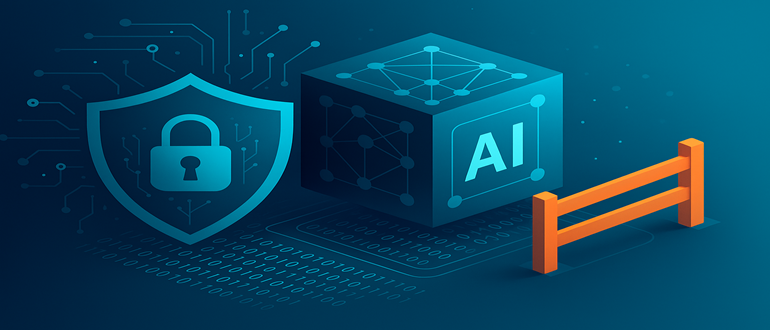
AI in Manufacturing: Navigating Security and Compliance Challenges
Artificial Intelligence (AI) tools have become integral to enhancing efficiency and productivity across industries, not least in manufacturing. However, the adoption of these powerful tools is not without its complexities, particularly when it comes to security and compliance. Without robust enterprise-grade security measures, the benefits of AI can swiftly morph into operational setbacks and reputational ruin.
The AI Double-Edged Sword
As manufacturing becomes a prime target for cyberattacks—evident in the staggering 87% surge in ransomware incidents in 2024—organizations must tread carefully. Alarmingly, 50% of documented ransomware victims hailed from the manufacturing sector, with 57% of cyberattacks occurring within North America. Despite these threats, over 55% of industrial product manufacturers are already leveraging generative AI tools, while an additional 40% plan to ramp up their investments in AI and Machine Learning (ML) in the coming years.
This paradox highlights a critical point: while AI has transformative potential, it also enlarges the attack surface for cybercriminals. Cyber incidents in manufacturing have ramifications that ripple through vital sectors, from automotive to food and beverage, endangering global supply chains.
Intelligent Factories, Exposed Systems—AI Needs Stronger Cybersecurity
Today’s manufacturing facilities are increasingly intricate. Legacy systems often lack the capabilities to counter today’s modern cyber threats. The introduction of AI has augmented operational efficiencies but has also intensified vulnerabilities. As AI tools come to influence every facet of the manufacturing process—from workforce training and safety monitoring to real-time data collection—they create a highway of connectivity that hackers are eager to exploit.
With AI-driven workforce operations leaning heavily on data, networks, and a myriad of connected devices, the landscape for potential cyber threats expands dramatically. The urgency of addressing cybersecurity governance, compliance, and overall security has never been more pronounced.
The Third-Party Risk: Safeguarding Manufacturing Data in the AI Age
Manufacturing data is especially sensitive, encapsulating trade secrets, detailed production metrics, and vast quantities of consumer information. As firms integrate AI, a vital concern emerges regarding the sharing of this data with external AI service providers.
Statistics starkly illustrate this risk: in 2024, over 40% of hacking claims stemmed from vulnerabilities related to third-party vendors. To safeguard critical information, organizations must ensure that customer data never crosses into the hands of external AI model providers. All data must be processed within secure environments, overseen by the Software as a Service (SaaS) provider. In doing so, manufacturers guarantee compliance and uphold data privacy.
Avoiding Common Factory Floor Failures
The stakes are exceptionally high in manufacturing, where errors can lead to dire outcomes, from safety hazards to costly production halts. Manufacturers should validate AI outputs for safety and accuracy, ensuring that they resonate with customer-specific contexts.
To mitigate risks associated with AI outputs, companies should implement comprehensive layers of guardrails and validation controls:
-
Content Filtering at Ingress: First, AI systems must have filters in place to block harmful inputs, guarding against inappropriate or violent content.
-
Prompt Injection and Adversarial Input Detection: Inputs must be scrutinized for malicious intent, preparing the system to thwart potential exploitation.
-
Secure Prompt and Response Handling: All interactions—with AI prompts, responses, and logs—should be processed in a safe environment, employing encryption and stringent access controls.
- Human-in-the-Loop (HITL) Verification: For crucial outputs like safety protocols, a qualified human should review AI-generated content to avoid overlooking subtle errors that may be missed by automated systems.
Embedding Corporate Social Responsibility
In an era where AI is prevalent, the onus of governance lies with SaaS providers. Clients expect not merely powerful AI functionalities but also compliance and security. This expectation necessitates that providers build a solid foundation of data integrity, validated through independent audits and adherence to industry standards.
Moreover, building ethical safeguards into AI systems is non-negotiable. For instance, employing retrieval-augmented generation (RAG) helps ground AI responses in verified information, thereby preventing dangerous inaccuracies often referred to as "hallucinations".
By embracing these responsibilities, SaaS providers can transform their offerings from mere tools into trusted strategic assets. Not only does this mitigate their clients’ risks, but it fosters a level of trust essential for safe AI adoption and long-term operational success.
Increased Potential, Increased Risk—Connected Worker Solutions Can Help
The potential of AI in manufacturing cannot be overstated—but with great potential comes great risk. As manufacturing environments evolve into more connected and intelligent systems, manufacturers and their technology partners must prioritize implementing robust safeguards. Connected worker technology is designed to address these evolving challenges, ready to support safe and effective AI integration in manufacturing contexts.
The journey to leveraging AI doesn’t have to be fraught with peril; with the right platforms and practices in place, organizations can unlock the true capabilities of AI while efficiently managing risks.