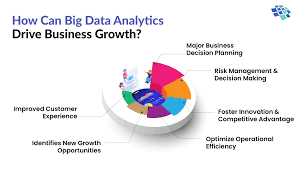
In today’s data-driven world, businesses that can effectively collect, analyze, and act on data gain a significant competitive advantage. This is where Business Intelligence (BI) and Analytics come into play.
From tracking performance to predicting future trends, BI and analytics help organizations make smarter decisions, improve efficiency, and drive growth.
In this guide, we explore what BI and analytics are, how they work, key tools, benefits, and how businesses can leverage them successfully.
What Is Business Intelligence (BI)?
Business Intelligence refers to the technologies and processes used to collect, analyze, and present business data.
Tools like Microsoft Power BI and Tableau help organizations turn raw data into meaningful insights.
What Is Business Analytics?
Business analytics focuses on analyzing data to predict trends and guide decision-making.
Types of Analytics
Descriptive Analytics
Analyzes past data to understand what happened.
Diagnostic Analytics
Explains why something happened.
Predictive Analytics
Forecasts future trends.
Prescriptive Analytics
Recommends actions based on data.
Why BI & Analytics Matter
Better Decision-Making
Data-driven insights reduce guesswork.
Improved Efficiency
Identify bottlenecks and optimize processes.
Competitive Advantage
Stay ahead of competitors.
Enhanced Customer Experience
Understand customer behavior and preferences.
Key Components of BI Systems
Data Collection
Gathering data from multiple sources.
Data Warehousing
Storing data in a centralized system.
Data Visualization
Presenting data through dashboards and charts.
Reporting
Generating insights for decision-makers.
Popular BI Tools
Microsoft Power BI
Best for: Integration with Microsoft ecosystem
Tableau
Best for: Advanced data visualization
Google Data Studio
Best for: Free reporting tools
Looker
Best for: Data exploration and analysis
How Businesses Use BI & Analytics
Sales Analysis
Track revenue and performance.
Marketing Insights
Measure campaign effectiveness.
Customer Behavior
Understand user preferences.
Financial Planning
Forecast revenue and expenses.
Operations Optimization
Improve efficiency and reduce costs.
Benefits of BI & Analytics
Real-Time Insights
Access up-to-date information.
Data-Driven Strategy
Make informed decisions.
Scalability
Handle growing data needs.
Increased Profitability
Optimize operations and revenue.
Challenges
Data Quality Issues
Poor data leads to inaccurate insights.
High Implementation Costs
Advanced tools can be expensive.
Skill Gaps
Requires trained professionals.
Data Security
Protecting sensitive information.
Best Practices
Clean and Organize Data
Ensure accuracy and consistency.
Define Clear Goals
Know what you want to achieve.
Use the Right Tools
Choose tools that fit your needs.
Train Teams
Ensure employees can use BI tools effectively.
Future Trends in BI & Analytics
AI-Powered Analytics
Automated insights and predictions.
Self-Service BI
Users accessing data without technical skills.
Real-Time Analytics
Instant data processing.
Cloud-Based BI
Scalable and accessible solutions.
How to Get Started
Step 1: Identify Business Goals
Define what you want to achieve.
Step 2: Collect Data
Gather data from relevant sources.
Step 3: Choose BI Tools
Select appropriate platforms.
Step 4: Build Dashboards
Visualize data for easy understanding.
Step 5: Analyze and Act
Use insights to make decisions.
Final Thoughts
Business Intelligence and analytics are essential for modern organizations looking to stay competitive and grow. By turning data into actionable insights, businesses can improve decision-making, optimize operations, and deliver better customer experiences.
As technology continues to evolve, BI and analytics will become even more powerful, enabling organizations to unlock the full potential of their data.
SEO FAQs
Q: What is business intelligence?
It is the process of analyzing data to support decision-making.
Q: What is the difference between BI and analytics?
BI focuses on data reporting, while analytics focuses on predictions and insights.
Q: What tools are used for BI?
Power BI, Tableau, and Looker.
Q: Why is BI important?
It helps businesses make informed decisions and improve performance