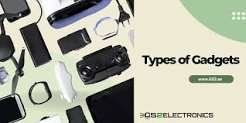
Technology has become deeply integrated into everyday life. Smartphones help people communicate, work, shop, navigate, and access entertainment. Laptops and tablets support education and remote work. Smartwatches monitor activity, while connected home devices automate everything from lighting to security.
But consumer technology is changing rapidly.
The next generation of devices is increasingly defined by artificial intelligence, personalization, connectivity, automation, energy efficiency, and tighter integration between hardware and software.
Instead of simply adding more features, manufacturers are increasingly focused on making technology more intelligent and useful. AI can summarize information, translate conversations, improve photographs, automate tasks, and personalize digital experiences. Wearables are becoming more capable, while smart home systems are becoming more interconnected.
At the same time, consumers are paying greater attention to privacy, cybersecurity, sustainability, repairability, and long-term software support.
This guide explores the most important consumer technology trends shaping 2026 and examines how these developments could influence the future of everyday digital life.
What Is Consumer Technology?
Consumer technology refers to electronic products, software, and digital services designed primarily for individual users and households.
Examples include:
- Smartphones
- Laptops
- Tablets
- Smartwatches
- Wireless earbuds
- Smart TVs
- Gaming consoles
- Smart home devices
- Cameras
- Fitness trackers
- Virtual reality headsets
- Personal AI assistants
- Home networking equipment
Consumer technology is different from enterprise technology because products are generally designed around individual convenience, entertainment, communication, productivity, and personal needs.
Why Consumer Tech Trends Matter
Consumer technology trends influence how people:
- Communicate
- Work
- Learn
- Exercise
- Shop
- Travel
- Entertain themselves
- Manage their homes
- Protect their personal information
They also influence businesses because consumer expectations often shape the products and services companies provide.
1. AI-Powered Consumer Devices
Artificial intelligence is becoming one of the most important forces in consumer technology.
AI is increasingly being integrated into:
- Smartphones
- Computers
- Cameras
- Search tools
- Smart home devices
- Wearables
- Applications
- Voice assistants
Instead of requiring users to perform every step manually, AI can increasingly help users complete tasks automatically.
Examples include:
- Summarizing messages
- Editing photos
- Translating languages
- Generating text
- Organizing information
- Answering questions
- Automating repetitive tasks
The long-term trend is toward technology that understands context rather than simply responding to individual commands.
2. AI Smartphones
Smartphones are becoming increasingly AI-focused.
AI features can improve:
Photography
AI can automatically improve exposure, remove unwanted objects, enhance portraits, and optimize images.
Communication
AI can assist with message drafting, translation, transcription, and call summaries.
Productivity
Users can summarize documents, organize information, and receive assistance with everyday tasks.
Personalization
Devices can adapt recommendations and settings based on user behavior.
As AI capabilities become more common, the distinction between traditional smartphone features and AI-powered functionality will become less obvious.
3. AI PCs
Personal computers are also becoming more AI-focused.
Modern AI PCs may include hardware designed to efficiently process certain AI workloads locally.
Potential applications include:
- Writing assistance
- Image generation
- Video editing
- Meeting transcription
- Search
- Accessibility features
- Personal productivity
Local processing can also provide privacy and latency advantages for some workloads because information may not always need to be sent to a remote server.
4. Wearable Technology
Wearables continue to expand beyond basic fitness tracking.
Modern wearable devices can provide:
- Activity tracking
- Sleep monitoring
- Heart-rate measurements
- Notifications
- GPS
- Contactless payments
- Communication features
Future wearables may become increasingly integrated with AI assistants and personalized health insights.
However, users should understand that consumer health features are not automatically equivalent to professional medical diagnosis.
5. Smart Rings
Smart rings have gained attention as compact wearable devices.
They can potentially track:
- Sleep
- Activity
- Heart rate
- Recovery metrics
- Temperature-related measurements
Their small form factor makes them attractive to consumers who do not want to wear a smartwatch continuously.
The competition between smart rings, watches, and other wearable devices is likely to continue as manufacturers develop more advanced sensors.
6. Smart Home Technology
Smart homes are becoming increasingly connected.
Popular devices include:
- Smart lights
- Smart thermostats
- Smart speakers
- Smart displays
- Security cameras
- Video doorbells
- Smart locks
- Robot vacuums
- Smart appliances
The future of smart homes is likely to focus less on individual devices and more on how those devices work together.
7. AI-Powered Smart Homes
AI could make smart homes more adaptive.
Instead of manually controlling every device, systems may learn patterns and automate routine activities.
For example, a smart home could potentially:
- Adjust lighting automatically
- Optimize heating and cooling
- Detect unusual activity
- Suggest energy-saving actions
- Coordinate entertainment devices
- Respond to natural-language instructions
Privacy and security will become increasingly important as homes collect more information about their occupants.
8. Smart Home Interoperability
One of the biggest challenges in smart home technology has historically been compatibility.
Consumers do not want to purchase separate systems that cannot communicate with each other.
Industry efforts toward greater interoperability can make it easier for devices from different manufacturers to work together.
This could encourage wider smart home adoption by reducing complexity.
9. Wireless Audio
Wireless earbuds and headphones have become mainstream consumer products.
Important features include:
- Active noise cancellation
- Transparency modes
- Spatial audio
- Better microphones
- Longer battery life
- Multipoint connectivity
- Improved comfort
Future audio devices may increasingly incorporate AI for real-time translation, voice enhancement, adaptive audio, and personalized listening.
10. Spatial Computing and Mixed Reality
Extended reality technologies include:
- Virtual Reality
- Augmented Reality
- Mixed Reality
These technologies can provide immersive experiences for:
- Gaming
- Education
- Training
- Design
- Entertainment
- Virtual collaboration
The major challenge is making hardware comfortable, affordable, useful, and easy to use for extended periods.
11. Gaming Technology
Gaming continues to drive consumer hardware innovation.
Important developments include:
- High-refresh-rate displays
- Cloud gaming
- Handheld gaming PCs
- Virtual reality
- AI-assisted game development
- Improved graphics
- Faster storage
Portable gaming devices are also becoming increasingly capable, allowing users to play demanding games away from traditional desktop setups.
12. Cloud Gaming
Cloud gaming allows games to be processed remotely and streamed to compatible devices.
Potential advantages include:
- Reduced hardware requirements
- Access across multiple devices
- Faster game deployment
- Flexible gaming experiences
However, performance depends heavily on network quality, latency, and service availability.
13. Foldable Devices
Foldable smartphones and computers continue to represent an alternative approach to device design.
Potential benefits include:
- Larger displays
- Improved multitasking
- Greater portability
Challenges include:
- Durability
- Display crease visibility
- Repair costs
- Device thickness
- Software optimization
As hardware improves, foldable designs could become more practical for mainstream consumers.
14. Better Smartphone Cameras
Camera technology remains a major area of smartphone competition.
Manufacturers are improving:
- Computational photography
- Low-light performance
- Zoom
- Stabilization
- Video recording
- Portrait effects
- AI image processing
AI increasingly plays a role in creating polished images from relatively compact camera hardware.
15. Battery and Charging Innovation
Battery life remains one of the most important consumer concerns.
Innovation is occurring in:
- Battery chemistry
- Charging technology
- Power management
- Wireless charging
- Energy-efficient processors
Consumers increasingly expect devices to last throughout the day while also supporting faster charging.
16. Portable Power
Portable batteries and power stations are becoming increasingly useful.
Products include:
- Power banks
- Solar charging systems
- Portable power stations
- Battery backup systems
These products support remote work, travel, outdoor activities, and emergency preparedness.
17. Digital Health Technology
Consumer health technology continues to expand.
Devices can help users monitor:
- Activity
- Sleep
- Heart rate
- Exercise
- General wellness metrics
The increasing availability of personal data may help users understand trends in their daily habits.
However, privacy, accuracy, and appropriate interpretation remain important considerations.
18. Personal AI Assistants
Traditional voice assistants generally respond to commands.
Next-generation AI assistants aim to understand more context and potentially help with multi-step tasks.
For example, a personal AI assistant could potentially help users:
- Organize schedules
- Summarize information
- Plan trips
- Manage reminders
- Search across personal information
- Draft communications
Privacy will be a major issue because highly personalized assistants may require access to sensitive information.
19. Privacy-Focused Consumer Technology
Consumers are becoming more aware of how much personal information their devices collect.
Privacy-focused features may include:
- Local AI processing
- App permission controls
- Encrypted communication
- Private browsing
- Secure authentication
- Transparent data policies
Companies that provide strong privacy protections may gain greater consumer trust.
20. Passkeys and Passwordless Authentication
Traditional passwords are vulnerable to:
- Phishing
- Credential theft
- Password reuse
- Brute-force attacks
Passkeys and other modern authentication methods aim to provide a more secure and convenient alternative.
As passwordless technologies become easier to use, consumers may increasingly move away from traditional passwords.
21. Digital Wallets and Contactless Payments
Digital payments continue to become more integrated into smartphones and wearables.
Consumers can increasingly use devices for:
- Contactless payments
- Digital tickets
- Loyalty programs
- Digital identification
- Online purchases
Security features such as biometric authentication can help protect these digital credentials.
22. E-Readers and Digital Reading
E-readers remain popular among people who prefer dedicated reading devices.
Their advantages can include:
- Long battery life
- Lightweight design
- Reduced distractions
- Comfortable reading displays
- Large digital libraries
The category continues to compete with tablets while maintaining a focus on reading.
23. Creator Technology
The creator economy is driving demand for specialized consumer technology.
Popular tools include:
- Cameras
- Microphones
- Lighting
- Gimbals
- Webcams
- Editing laptops
- Portable monitors
AI is also changing content creation by assisting with:
- Editing
- Transcription
- Captions
- Image generation
- Video generation
- Audio cleanup
24. Sustainable Consumer Technology
Environmental concerns are increasingly influencing purchasing decisions.
Consumers may consider:
- Repairability
- Product lifespan
- Energy efficiency
- Recycled materials
- Packaging
- Battery replacement
- Software support
Longer software support can help extend the useful life of hardware and reduce unnecessary electronic waste.
25. Right-to-Repair
Repairability is becoming an increasingly important issue in consumer electronics.
Consumers may benefit when manufacturers provide:
- Replacement parts
- Repair manuals
- Diagnostic tools
- Replaceable batteries
- Longer product support
A device that can be repaired rather than replaced may provide better long-term value.
26. Home Robots
Robotics is moving beyond industrial environments and into homes.
Consumer robots already perform tasks such as:
- Vacuuming
- Mopping
- Lawn maintenance
Future systems could become more capable of understanding household environments and performing multiple tasks.
AI-powered robotics could significantly expand this category.
27. Drones and Personal Imaging
Consumer drones have transformed aerial photography and videography.
Modern drones can provide:
- Automated flight modes
- Obstacle detection
- High-resolution cameras
- Subject tracking
- Stabilized video
As autonomous capabilities improve, drones may become easier for beginners to operate.
Users must still follow applicable aviation and privacy rules.
28. Faster Connectivity
Connectivity continues to influence consumer experiences.
Important technologies include:
- 5G
- Wi-Fi 6
- Wi-Fi 7
- Bluetooth
- Satellite connectivity
Better connectivity supports:
- Streaming
- Gaming
- Remote work
- Smart homes
- Connected vehicles
- Cloud applications
29. Satellite Connectivity
Satellite connectivity is becoming increasingly relevant for consumer communication.
Potential applications include:
- Emergency messaging
- Connectivity in remote locations
- Disaster communications
As the technology develops, satellite services could complement traditional cellular networks in areas with limited terrestrial coverage.
30. The Rise of Personalized Technology
Consumer technology is moving toward greater personalization.
AI systems can potentially adapt:
- Notifications
- Recommendations
- Content
- Device settings
- Fitness suggestions
- Productivity workflows
The challenge will be balancing personalization with user control and privacy.
Biggest Consumer Tech Predictions
1. AI Will Become a Standard Device Feature
AI will increasingly become integrated into smartphones, computers, wearables, and home devices.
Instead of being marketed as a separate feature, AI may simply become part of how devices operate.
2. Devices Will Work More Closely Together
Consumers increasingly expect their devices to communicate seamlessly.
A smartphone, laptop, smartwatch, earbuds, television, and smart home system may function as parts of one connected ecosystem.
3. Hardware and Software Will Become More Integrated
Future products will likely be designed around tightly integrated hardware and AI-powered software.
This could produce more personalized and responsive experiences.
4. Privacy Will Become a Competitive Advantage
As devices become more intelligent, consumers may increasingly favor companies that provide transparent privacy controls and stronger data protection.
5. Consumer AI Will Become More Action-Oriented
AI assistants may move beyond answering questions toward helping users complete tasks.
This could transform how people interact with software.
How Consumers Should Evaluate New Technology
Before purchasing a new device, consider:
1. Does It Solve a Real Problem?
Avoid buying technology simply because it is new.
2. Is It Compatible?
Check compatibility with existing devices and services.
3. How Long Will It Be Supported?
Software updates can significantly influence a product’s useful lifespan.
4. What Happens to Your Data?
Review privacy policies and permissions.
5. Is It Repairable?
Consider battery replacement, parts availability, and repair costs.
6. Is the Ecosystem Too Restrictive?
Some products work best within a specific ecosystem. Understand the potential trade-offs before committing.
Common Consumer Technology Mistakes
Consumers often make mistakes such as:
- Buying based only on specifications
- Ignoring software support
- Overpaying for unnecessary features
- Choosing incompatible accessories
- Ignoring privacy settings
- Replacing devices that could be repaired
- Buying products without checking long-term costs
- Trusting marketing claims without independent research
The best technology purchase is not always the newest or most expensive product.
Consumer Tech Buying Checklist
Before purchasing a device:
- ✅ Identify your main use case.
- ✅ Set a realistic budget.
- ✅ Compare competing products.
- ✅ Check software support.
- ✅ Review privacy features.
- ✅ Check compatibility.
- ✅ Evaluate battery life.
- ✅ Consider repairability.
- ✅ Review warranty coverage.
- ✅ Calculate the total ownership cost.
The Future of Consumer Technology
The next phase of consumer technology will likely be defined by intelligence rather than simply more hardware.
Devices are becoming increasingly capable of understanding users, processing information, automating tasks, and communicating with other devices.
AI could become the interface connecting many parts of digital life.
Instead of opening separate applications for every task, users may increasingly interact with intelligent assistants that can coordinate different services.
At the same time, consumers will demand greater control over their data, stronger security, longer-lasting products, and better value.
The most successful consumer technology companies will therefore need to balance innovation with simplicity, privacy, reliability, and affordability.
Conclusion
Consumer technology is entering a period of significant transformation. AI-powered smartphones and computers, intelligent wearables, connected homes, mixed reality, gaming devices, personalized assistants, and privacy-focused technology are changing how people interact with the digital world.
Artificial intelligence is perhaps the most significant force behind this transformation, but it is only one part of the larger picture. Improvements in connectivity, batteries, sensors, displays, robotics, security, and cloud infrastructure are also creating new possibilities.
For consumers, the increasing number of choices makes informed purchasing more important than ever. Rather than focusing exclusively on specifications or marketing claims, buyers should consider real-world usefulness, compatibility, security, privacy, software support, repairability, and long-term value.
Looking ahead, consumer technology is likely to become more connected, intelligent, personalized, and automated. The challenge for manufacturers will be ensuring that these advances actually improve people’s lives while protecting their privacy and giving them meaningful control over their technology.
Frequently Asked Questions
1. What are the biggest consumer tech trends in 2026?
Major trends include AI-powered devices, smart homes, advanced wearables, mixed reality, connected devices, passwordless authentication, creator technology, sustainable hardware, and personalized AI assistants.
2. How is AI changing consumer technology?
AI is being integrated into smartphones, computers, cameras, wearables, home devices, and applications to provide features such as automation, personalization, translation, content generation, and intelligent assistance.
3. Are smart home devices secure?
Security varies between products. Consumers should choose reputable manufacturers, use strong authentication, install updates, secure their Wi-Fi networks, and review device permissions.
4. Will AI replace traditional smartphone apps?
AI may change how people interact with applications, but traditional apps are likely to remain important. AI assistants may increasingly act as an additional interface for accessing different services.
5. Are wearable devices worth buying?
They can be useful for people who value activity tracking, notifications, fitness features, or other wearable functionality. The value depends on individual needs and how frequently the device will actually be used.
6. Why is repairability important?
Repairable devices can potentially last longer and reduce electronic waste. Access to replacement parts and software support can also lower the long-term cost of ownership.
7. What should consumers consider before buying new technology?
Consider the device’s purpose, price, performance, compatibility, software support, privacy, security, repairability, battery life, warranty, and long-term value.