

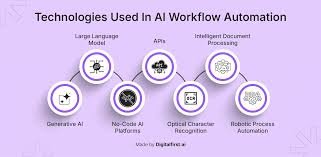
Artificial Intelligence (AI) and automation are transforming how individuals and businesses operate. Tasks that once required hours of manual effort can now be completed in minutes using intelligent workflows.
Whether you’re a freelancer, entrepreneur, or developer, learning how to combine AI with automation tools can dramatically increase your productivity and efficiency.
In this tutorial, you’ll learn how to build practical AI-powered workflows, choose the right tools, and automate real-world tasks step by step.
What Is AI Automation?
AI automation combines artificial intelligence with workflow automation tools to perform tasks with minimal human input.
Popular tools like ChatGPT and Zapier make it easy to automate processes without advanced coding.
Why You Should Use AI Automation
Save Time
Automate repetitive tasks instantly.
Increase Productivity
Focus on high-value work.
Reduce Errors
Minimize manual mistakes.
Scale Faster
Handle more work without increasing workload.
Real-World Use Cases
Content Creation Automation
- Generate blog posts
- Create social media content
- Write emails
Customer Support Automation
- AI chatbots
- Auto-response systems
Lead Generation & CRM
- Capture leads automatically
- Organize customer data
Data Processing
- Automate reports
- Analyze data
- Manage spreadsheets
Step-by-Step Tutorial: Create an AI Workflow
Step 1: Choose a Task to Automate
Start with repetitive tasks like email replies, posting content, or collecting leads.
Step 2: Select Your Tools
Recommended Tools
- ChatGPT → Writing & responses
- Zapier → Workflow automation
- Make → Advanced multi-step workflows
Step 3: Build Your Workflow
Example: Automating Blog Content Creation
- Input blog topic
- Send request to ChatGPT
- Generate content
- Save to Google Docs
- Notify user via email
Step 4: Test the Workflow
Run multiple tests to ensure everything works correctly.
Step 5: Optimize
Improve prompts, adjust triggers, and refine outputs.
Automation Ideas You Can Start Today
Social Media Automation
Schedule and generate posts automatically.
Email Marketing Automation
Send welcome emails and campaigns.
Client Onboarding System
Automate onboarding messages and documents.
Content Repurposing
Turn blogs into tweets, captions, and newsletters.
Best Practices
Start Simple
Avoid overly complex systems at first.
Use Clear Prompts
Better prompts lead to better results.
Monitor Performance
Track workflow efficiency.
Keep Human Oversight
Review outputs before publishing.
Common Mistakes to Avoid
Over-Automation
Not everything should be automated.
Poor Tool Integration
Ensure tools connect properly.
Skipping Testing
Always test before going live.
Ignoring Security
Protect sensitive data.
Advanced Strategies
Multi-Step Automation
Combine several tools into one workflow.
API Integrations
Connect platforms for seamless automation.
AI Decision Systems
Let AI analyze and trigger actions.
Workflow Scaling
Expand automation as your needs grow.
Future of AI & Automation
AI Agents
Autonomous systems performing complex tasks.
Hyperautomation
End-to-end automation of business processes.
No-Code Platforms
Making automation accessible to everyone.
Personalized Workflows
Automation tailored to individuals and businesses.
Final Thoughts
AI and automation are essential tools for modern productivity. By learning how to automate workflows, you can save time, reduce manual effort, and scale your work efficiently.
The key is to start small, experiment, and continuously improve your systems.
Those who master AI automation today will have a powerful advantage in tomorrow’s digital economy.
SEO FAQs
Q: What is AI automation?
It’s the use of AI to automate tasks and workflows.
Q: Do I need coding skills?
No, many tools are beginner-friendly.
Q: What are the best tools for automation?
ChatGPT, Zapier, and Make.
Q: Can automation replace humans?
No, it enhances productivity but still requires oversight.


