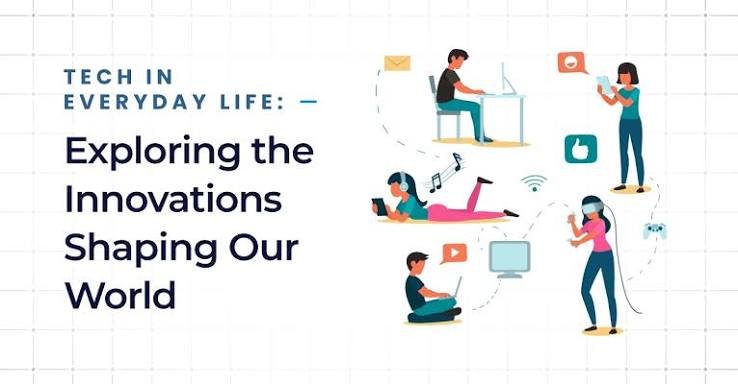
Technology is becoming increasingly integrated into everyday life.
Smartphones, laptops, wearables, smart home devices, streaming platforms, connected vehicles, and artificial intelligence have changed how people communicate, work, shop, learn, travel, and entertain themselves.
But consumer technology is entering another important phase.
Instead of simply creating devices with more features, technology companies are increasingly focused on making products smarter, more connected, personalized, and capable of working together.
Artificial intelligence is at the center of this shift.
AI is moving beyond standalone applications and becoming embedded in phones, computers, search engines, cameras, vehicles, appliances, and wearable devices.
At the same time, consumers are becoming more interested in privacy, sustainability, device longevity, security, and the overall value they receive from technology.
Understanding these trends can help consumers make better purchasing decisions and provide insight into where the technology industry is heading.
What Is Consumer Technology?
Consumer technology refers to technology products and services designed primarily for individual users rather than specialized industrial or enterprise environments.
Examples include:
- Smartphones
- Laptops
- Tablets
- Smartwatches
- Wireless headphones
- Smart TVs
- Gaming consoles
- Smart home devices
- Cameras
- Electric vehicles
- AI assistants
- Wearable devices
Consumer technology is one of the most visible parts of the technology industry because it directly affects people’s everyday routines.
1. AI Is Becoming a Standard Consumer Feature
Artificial intelligence is arguably the biggest force influencing consumer technology.
Instead of being limited to standalone AI applications, AI capabilities are increasingly being integrated directly into consumer products.
Modern devices can use AI for:
- Writing assistance
- Image editing
- Translation
- Voice recognition
- Search
- Personal recommendations
- Photo organization
- Noise cancellation
- Accessibility features
The trend is moving toward devices that understand context and assist users without requiring complicated commands.
2. AI-Powered Smartphones
Smartphones are evolving from communication devices into personal AI platforms.
AI features can help with:
- Photo enhancement
- Real-time translation
- Voice assistants
- Summarizing information
- Search
- Writing
- Call assistance
- Personal organization
The future smartphone may rely less on users opening individual applications and more on AI helping them accomplish tasks across multiple services.
This could significantly change how people interact with mobile devices.
3. AI PCs and Smarter Computers
Personal computers are also becoming more AI-focused.
New generations of computers increasingly include hardware designed to handle AI workloads locally.
Potential applications include:
- AI-powered productivity tools
- Image generation
- Video editing
- Local language models
- Voice processing
- Background noise removal
- Smart search
Local AI processing can provide potential benefits for speed, privacy, and offline functionality.
4. The Rise of AI Assistants
Digital assistants have existed for years, but AI is changing what consumers expect from them.
Traditional assistants typically handled predefined commands.
Modern AI assistants can understand more natural language and handle more complex interactions.
Future assistants could help users:
- Plan trips
- Organize schedules
- Compare products
- Summarize documents
- Manage smart home devices
- Research topics
- Complete repetitive tasks
The key challenge will be making assistants reliable enough to perform actions safely.
5. Wearable Technology Continues to Grow
Wearables are becoming increasingly important in consumer technology.
Popular categories include:
- Smartwatches
- Fitness trackers
- Smart rings
- Smart glasses
- Wireless earbuds
These devices can monitor activity, provide notifications, assist with communication, and offer convenient access to information.
The next phase of wearable technology is likely to focus more heavily on AI and context-aware computing.
6. Smart Rings Are Gaining Attention
Smart rings provide a smaller alternative to traditional smartwatches.
Depending on the device, they can track information such as:
- Activity
- Sleep
- Heart-related measurements
- Temperature trends
- Movement
Their small form factor makes them attractive to consumers who want passive tracking without wearing a large screen.
The challenge is balancing useful features with battery life, comfort, accuracy, and privacy.
7. Smart Glasses and Spatial Computing
Smart glasses are another emerging consumer technology category.
Future devices could combine:
- Cameras
- Microphones
- Speakers
- AI assistants
- Navigation
- Augmented reality
Instead of constantly looking down at a smartphone, users could interact with digital information through glasses.
Spatial computing could also make digital objects appear integrated with physical environments.
8. Smart Homes Are Becoming More Connected
Smart home technology continues to expand.
Consumers can connect:
- Lights
- Thermostats
- Cameras
- Doorbells
- Locks
- Speakers
- Appliances
- Sensors
The major trend is interoperability.
Consumers increasingly want different devices to work together rather than being locked into isolated ecosystems.
9. AI-Powered Smart Homes
Artificial intelligence could make smart homes more proactive.
Instead of manually creating rules, an AI-powered home could learn patterns and respond to context.
For example, a system could potentially recognize:
- When residents arrive home
- Typical lighting preferences
- Energy usage patterns
- Room occupancy
- Environmental changes
The goal is to make smart homes more useful without requiring users to constantly manage settings.
However, privacy and security become especially important when devices continuously collect information about people’s homes.
10. Connected Cars Are Becoming Digital Platforms
Modern vehicles increasingly resemble computers on wheels.
Connected cars can provide:
- Navigation
- Entertainment
- Driver assistance
- Remote controls
- Software updates
- Voice assistants
- Vehicle diagnostics
As vehicles become more software-driven, technology companies and automakers are competing to control the in-car digital experience.
11. Electric Vehicles and Consumer Technology
Electric vehicles are another major consumer technology trend.
EVs combine:
- Battery technology
- Software
- Connectivity
- Sensors
- Driver-assistance systems
- Mobile applications
Future improvements may focus on:
- Charging speed
- Battery efficiency
- Range
- Autonomous features
- Software updates
- Energy management
The vehicle is increasingly becoming part of a broader connected technology ecosystem.
12. Gaming Technology Continues to Evolve
Gaming remains one of the largest areas of consumer technology.
Major trends include:
- Cloud gaming
- AI-assisted game development
- Virtual reality
- Augmented reality
- Higher-quality displays
- Portable gaming devices
- Cross-platform gaming
Handheld gaming PCs and portable consoles are also changing how consumers think about gaming hardware.
13. Cloud Gaming
Cloud gaming allows games to be processed remotely and streamed to compatible devices.
Potential advantages include:
- Less powerful hardware requirements
- Access across multiple devices
- Reduced installation requirements
However, cloud gaming depends heavily on reliable internet connections, low latency, and sustainable service economics.
14. Virtual and Augmented Reality
VR and AR continue to develop as consumer technologies.
Virtual reality can provide immersive environments for:
- Gaming
- Entertainment
- Social interaction
- Fitness
- Education
Augmented reality overlays digital information onto the physical world.
As hardware becomes smaller and more comfortable, immersive technologies could become more practical for everyday use.
15. The Rise of Spatial Computing
Spatial computing combines digital interfaces with physical environments.
Rather than interacting only through traditional screens, users can interact with digital objects positioned around them.
Potential applications include:
- Entertainment
- Design
- Education
- Remote collaboration
- Productivity
- Gaming
The long-term success of spatial computing will depend on comfort, affordability, useful applications, and ease of use.
16. Better Smartphone Cameras
Smartphone cameras continue to improve through a combination of hardware and computational photography.
AI can help with:
- Low-light photography
- Image stabilization
- Portrait effects
- Object removal
- Image enhancement
- Video processing
The smartphone camera is increasingly becoming a software-driven imaging system rather than simply a collection of physical lenses.
17. The Growth of Computational Photography
Computational photography uses software and algorithms to improve images beyond what traditional camera hardware can achieve alone.
Modern phones can combine multiple frames and apply computational processing to produce clearer and more detailed images.
This trend will likely continue as AI-powered image processing becomes more sophisticated.
18. Health and Wellness Technology
Consumer technology is becoming increasingly involved in personal health and wellness.
Wearables and smart devices can help users monitor certain metrics related to:
- Activity
- Sleep
- Heart rate
- Exercise
- Recovery
However, consumers should understand the difference between wellness tracking and professional medical diagnosis.
Technology can provide useful information, but it does not automatically replace qualified medical care.
19. Personalized Technology
Consumers increasingly expect technology to adapt to their individual preferences.
Personalization can involve:
- Content recommendations
- Music
- Shopping
- News
- Search
- Fitness
- Entertainment
AI could make personalization more sophisticated by considering context rather than simply analyzing previous clicks.
20. Privacy Is Becoming a Major Consumer Concern
As devices become smarter, they often collect more data.
This can include:
- Location
- Voice recordings
- Images
- Usage patterns
- Health-related information
- Shopping behavior
Consumers are becoming increasingly aware of how this information is collected and used.
Technology companies will need to balance personalization with privacy.
21. Consumer Cybersecurity
The growth of connected devices also creates new security risks.
Consumers need to protect:
- Smartphones
- Computers
- Routers
- Smart home devices
- Cloud accounts
- Wearables
Important practices include:
- Strong authentication
- Software updates
- Secure Wi-Fi
- Device encryption
- Password managers
- Multi-factor authentication
As more devices connect to the internet, cybersecurity will become an increasingly important part of consumer technology.
22. Longer-Lasting Devices
Consumers are increasingly interested in device longevity.
Instead of upgrading every year, many users want products that remain useful for several years.
Important factors include:
- Software support
- Repairability
- Battery replacement
- Hardware durability
- Security updates
Manufacturers that provide longer support periods may become more attractive to consumers.
23. Sustainable Consumer Technology
Environmental concerns are influencing product design.
Technology companies are exploring:
- Recycled materials
- More efficient components
- Smaller packaging
- Energy-efficient devices
- Longer software support
- Repair programs
Sustainability is becoming increasingly connected to product longevity.
A device that lasts longer can reduce the need for frequent replacement.
24. The Growth of Subscription-Based Technology
Some technology companies are shifting from one-time purchases toward recurring subscriptions.
Consumers may encounter subscriptions for:
- Cloud storage
- Software
- Streaming
- Security
- AI services
- Connected devices
Subscriptions can provide continuous updates and services, but consumers are becoming more cautious about accumulating monthly costs.
25. AI-Powered Shopping
Artificial intelligence is changing online shopping.
AI can help consumers:
- Compare products
- Summarize reviews
- Find alternatives
- Discover products
- Receive personalized recommendations
The future of online shopping may involve conversational interfaces where consumers explain what they need rather than manually browsing hundreds of products.
26. Smart TVs and Home Entertainment
Televisions are becoming entertainment hubs.
Modern smart TVs can combine:
- Streaming services
- Gaming
- Voice control
- Smart home integration
- AI-powered recommendations
Future systems may become more personalized and responsive to individual viewing preferences.
27. Wireless Audio Technology
Wireless earbuds and headphones continue to evolve.
Features increasingly include:
- Active noise cancellation
- Spatial audio
- Voice assistants
- Adaptive sound
- Improved microphones
- Real-time translation
AI can help devices automatically adjust audio based on the user’s environment.
28. Real-Time Translation
AI-powered translation is becoming more practical across consumer devices.
Potential applications include:
- Conversations
- Travel
- Video calls
- Messaging
- Education
Real-time translation could reduce language barriers and make international communication easier.
29. The Shift Toward On-Device AI
One important trend is moving AI processing closer to the user.
Instead of sending every request to a remote server, some tasks can be processed directly on the device.
Benefits can include:
- Lower latency
- Greater privacy
- Offline functionality
- Reduced cloud dependency
However, local processing is constrained by device computing power, memory, battery life, and model size.
30. Interoperability Will Matter More
Consumers increasingly own devices from multiple manufacturers.
The ability for products to work together will therefore become increasingly important.
Consumers want:
“My devices should simply work together.”
Industry standards and common protocols can help reduce ecosystem fragmentation.
Consumer Technology Trends to Watch
The following trends are likely to remain important:
- AI-powered devices
- AI smartphones
- AI PCs
- Smart glasses
- Smart rings
- Wearable technology
- Spatial computing
- Connected vehicles
- Smart homes
- Cloud gaming
- Personalized technology
- On-device AI
- Digital health
- Consumer cybersecurity
- Sustainable devices
- Real-time translation
- AI-powered shopping
What Consumers Should Look for When Buying New Technology
Technology marketing can make almost any product appear revolutionary.
Before buying a new device, consider:
Does It Solve a Real Problem?
A feature is valuable only if you actually use it.
How Long Will It Receive Updates?
Software support can be just as important as hardware specifications.
What Data Does It Collect?
Review privacy settings and policies.
Is It Secure?
Look for security updates, authentication options, and reputable manufacturers.
Can It Work With Your Existing Devices?
Compatibility can significantly affect long-term value.
Is the Subscription Worth It?
Calculate the total cost rather than looking only at the initial purchase price.
Can It Be Repaired?
Repairability can extend the useful life of a product.
The Future of Consumer Technology
The future of consumer technology will likely be defined by intelligence, connectivity, personalization, and convenience.
AI will increasingly become embedded into everyday products rather than existing only as standalone applications.
Smartphones may become more capable personal assistants.
Wearables may provide more contextual information.
Smart glasses could provide new interfaces for digital information.
Homes may become more adaptive.
Vehicles may increasingly function as connected computing platforms.
At the same time, consumers will demand stronger privacy, security, affordability, and sustainability.
The winning products will not necessarily be the ones with the largest number of features.
They will be the products that make technology simpler and more useful without creating unnecessary complexity.
Conclusion
Consumer technology is entering a new stage.
The industry is moving beyond simply making devices faster and more powerful. Companies are increasingly focused on creating products that understand users, communicate with one another, automate tasks, and adapt to individual needs.
Artificial intelligence is driving much of this transformation, while wearables, smart homes, connected cars, spatial computing, gaming, and digital health are expanding the ways technology interacts with everyday life.
But innovation must be balanced with responsibility.
Privacy, cybersecurity, sustainability, affordability, repairability, and long-term software support will become increasingly important purchasing considerations.
For consumers, the future is not simply about owning more technology.
It is about owning better technology that provides meaningful value, protects personal information, and improves everyday experiences.
Frequently Asked Questions
1. What are the biggest consumer technology trends?
Major trends include AI-powered devices, smart homes, wearables, smart glasses, connected vehicles, spatial computing, cloud gaming, on-device AI, and personalized digital services.
2. How is AI changing consumer technology?
AI is being integrated into smartphones, computers, cameras, wearables, smart homes, vehicles, and entertainment systems to provide automation, personalization, search, translation, and other intelligent features.
3. What is on-device AI?
On-device AI processes certain artificial intelligence tasks directly on a smartphone, computer, wearable, or other device rather than relying entirely on remote cloud servers.
4. Are smart glasses the future?
Smart glasses have potential to become an important interface for digital information, particularly as hardware becomes smaller, lighter, and more capable. However, widespread adoption will depend on price, comfort, privacy, and useful applications.
5. Why is consumer cybersecurity important?
As consumers connect more devices to the internet, attackers have more potential targets. Securing accounts, smartphones, computers, routers, and smart home devices is therefore increasingly important.
6. Are smart home devices safe?
Smart home devices can be useful, but security depends on the manufacturer, software support, configuration, and user behavior. Consumers should use strong authentication, update devices, and review permissions.
7. Will smartphones become less important?
Smartphones are likely to remain important, but other interfaces such as wearables, AI assistants, smart glasses, and spatial computing could change how people interact with digital services.
8. What is spatial computing?
Spatial computing refers to technologies that allow digital information and interfaces to interact with physical environments, often through technologies such as augmented or virtual reality.
9. Is sustainable technology becoming more important?
Yes. Consumers and manufacturers are paying increasing attention to energy efficiency, recycled materials, repairability, product longevity, and longer software support.
10. What should consumers consider before buying new technology?
Consider the product’s real-world usefulness, price, security, privacy, software support, compatibility, repairability, durability, and ongoing subscription costs.