

The Landscape of VR and AR: Immersive Tech Trends Shaping Our Future
Virtual reality (VR) and augmented reality (AR) are not just buzzwords; they’re reshaping the way we experience the digital world. With their unique features and applications, each technology serves distinct markets and user experiences. While VR immerses users completely in digital environments—perfect for gaming, fitness, and training—AR enhances our real-world surroundings by overlaying digital elements. This bodes well for various sectors including productivity, retail, and navigation. Market projections indicate these technologies could amass a combined industry valuation of $250 billion by 2030, driven largely by both consumer and enterprise adoption.
VR vs AR: Core Differences in Immersive Experiences
Understanding the fundamental differences between VR and AR provides insight into their applications.
VR: Complete Immersion
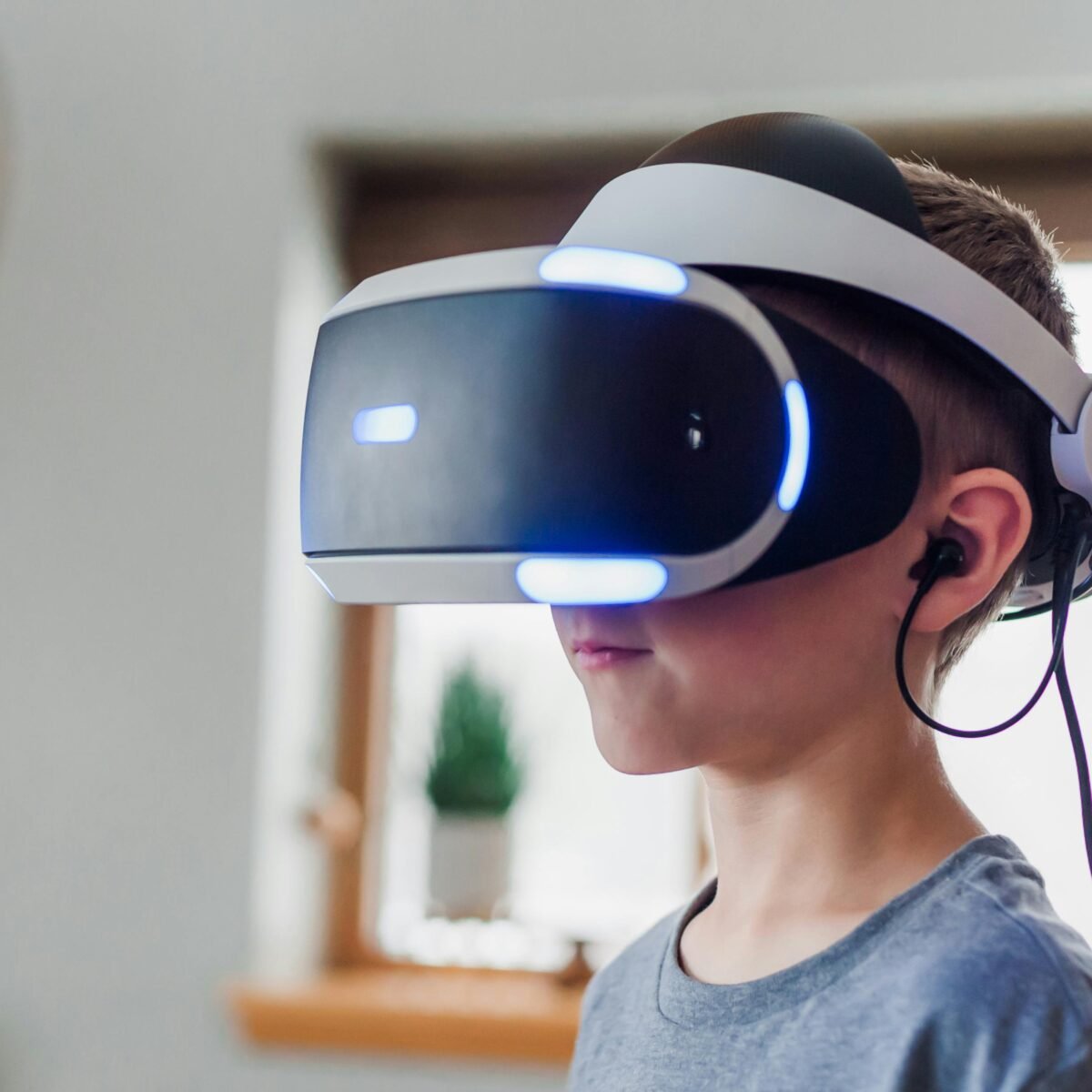
- Experience: Users wear a VR headset that occludes the real world, creating an entirely digital environment. Applications span from immersive gaming to professional simulations and extensive fitness workouts that can burn upwards of 500 calories per hour.
AR: Real-World Enhancement
- Experience: AR utilizes cameras to blend digital information with the real world. This technology enables users to visualize products in their own spaces (like IKEA Place), boosting purchase confidence significantly.
Hardware Variations
- Devices like the Meta Quest 3 showcase the high-end capabilities for VR, offering 4K resolution at 120Hz for an unparalleled immersive experience. On the AR side, glasses are aiming for lightweight micro-OLED designs suitable for all-day wear, with new prototypes targeting weights under 100 grams.
Key Aspects of VR and AR
- VR Immersion: Engulfs users in fully digital realms.
- AR Overlay: Enhances reality with digital content for interaction.
- Fitness Applications: VR promotes higher calorie burn via interactive workouts; AR offers lighter, more guided exercises.
- Retail & Visualization: AR significantly aids product pre-purchase visualization.
- Gaming Experience: VR offers fully immersive gameplay; AR enhances real-world interactive scenarios.
The Tailored Use of Each Technology
- Training & Simulation: VR is beneficial for simulating hazardous conditions safely, while AR provides real-time assistance in environments like surgeries.
- All-Day Usability: AR glasses are designed for extended use in diverse settings, whereas VR typically limits sessions due to user comfort issues.
- Mobility: AR devices are portable and fit effortlessly into everyday life, whereas VR systems usually require more dedicated space.
- Social Interaction: AR supports shared experiences among users, while VR often isolates them in their virtual enclaves.
Market Adoption and Enterprise Potential
Recent trends indicate a strong growing interest in AR within enterprise settings. By 2027, projections estimate the AR market will reach $100 billion, as companies turn to these technologies for manufacturing, assembly, and maintenance tasks. Devices such as Microsoft HoloLens exemplify this transition; they provide spatial guidance and overlay instructional elements, resulting in fewer errors and reduced downtime.
On the other hand, VR maintains a formidable presence in the consumer gaming sector, generating around $50 billion in annual revenue. Despite its strengths—like training scenarios and immersive environments—VR faces challenges such as motion sickness, restraining session lengths to about 30 minutes.
AR glasses are gradually transitioning beyond the workplace to become integral tools in daily life. Upcoming devices may replace many smartphone functions, including notifications and navigation, without requiring users to physically engage with their devices.
Future Trends: Spatial Computing and Hybrid Realities
The next wave in this technological journey is spatial computing, a convergence of both VR and AR capabilities. This emerging field aims to create a more intuitive means of interaction between humans and digital content. Apple forecasts up to one billion users by 2035 utilizing lightweight, compatible AR/VR devices.
Innovations on the Horizon
- Brain-Computer Interfaces: These technologies will enhance user presence in VR by converting neural signals into actionable commands.
- Medical Applications: AR is making significant inroads into healthcare, with surgeons benefiting from real-time overlays that heighten accuracy in procedures dramatically.
- Hybrid Devices: as the lines blur between AR and VR, mixed reality devices will allow users to transition freely between immersive and augmented experiences.
Frequently Asked Questions
1. Which burns more calories: VR or AR fitness?
VR fitness applications, such as "Beat Saber," can reach intensity levels that rival traditional cardio exercises. In contrast, AR enhances less intense physical activities, allowing users to integrate exercise seamlessly into their daily routine.
2. Will AR replace smartphones?
Forecasts suggest AR glasses could claim up to 50% of screen time by 2035, enabling users to access information without pulling out their smartphones. Although some smartphone functionality may transition to AR, devices will likely remain for specific high-resolution tasks.
3. What limits VR mass adoption?
Motion sickness affects a significant number of users, alongside concerns related to hardware comfort and battery life. These issues, coupled with limited content diversity, present barriers to widespread VR adoption.
4. Which enterprise market grows faster: VR or AR?
AR is emerging rapidly in enterprise sectors, particularly in training and manufacturing, projected to reach $100 billion by 2027. Its ability to assimilate into existing workflows gives it an edge over VR in these contexts.
By understanding the unique offerings of VR and AR, alongside their potential trajectories, it’s clear that both technologies are setting the stage for a more immersive and interactive future.


