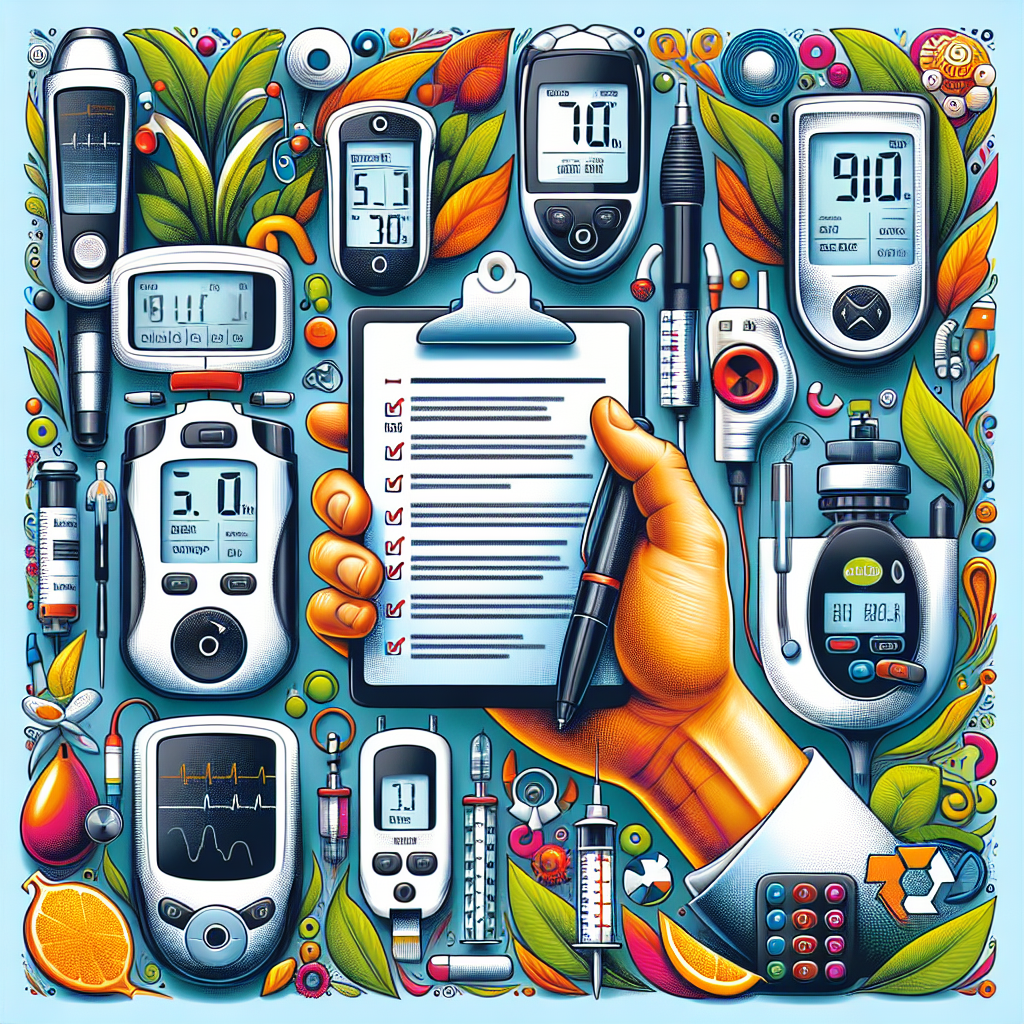
Navigating Diabetes Device Evaluation: A Comprehensive Clinic Checklist
As diabetes technology evolves at lightning speed, clinics are under increasing pressure to evaluate a growing array of tools—from continuous glucose monitors (CGMs) and insulin pumps to smartphone apps and cloud platforms. But how can healthcare providers make safe, informed decisions about which tools to recommend? A clear, structured diabetes device evaluation process is essential. This article offers a clinic-focused checklist for evaluating devices, identifying potential risks, and preparing for malfunctions or recalls—before they affect patient safety.
Why Structured Evaluation Matters
The rapid pace of diabetes tech innovation often outstrips many clinics’ ability to thoroughly assess new products. Without a defined diabetes device evaluation process, teams may adopt tools based more on marketing than on clinical evidence. This reliance can introduce serious risks—patients might suffer from inaccurate readings or devices that fail to integrate smoothly into established care workflows.
On the flip side, adopting a structured approach to evaluations promotes consistent, evidence-based decision-making. It helps clinics filter out unreliable devices while supporting choices that align with clinical goals. This method not only enhances patient safety but also streamlines clinic operations and ensures compliance with regulatory standards.
Key Components of a Diabetes Device Evaluation Checklist
When evaluating diabetes devices, including continuous glucose monitors and insulin delivery systems, here are essential items your clinic should consider:
Regulatory Approval and Clinical Evidence
Start by checking for regulatory approvals such as FDA clearance or CE marking. This ensures that the device meets minimum safety standards. Dive into independent studies that assess the device’s accuracy, usability, and long-term impact on blood glucose management. It’s crucial to avoid relying solely on vendor marketing claims when evaluating clinical efficacy.
EHR Compatibility and Workflow Integration
Next, assess whether the device integrates seamlessly with your Electronic Health Record (EHR) system. Can clinicians easily access data? Is minimal training required for staff? Poorly integrated devices can lead to wasted time and increased frustration, ultimately detracting from patient care.
Patient Usability and Support
Consider how user-friendly the device is for patients. Look for training materials and evaluate the responsiveness of customer support services. Complicated devices that pose technical challenges can lead to poor patient adherence and an uptick in calls to your clinic for assistance.
Data Security and Privacy
In today’s digital age, ensuring data security is non-negotiable. Confirm that all data—whether in transit or at rest—is encrypted. Review the vendor’s compliance with Health Insurance Portability and Accountability Act (HIPAA) regulations, including data retention policies. For applications that connect to the cloud or utilize patient data, demand transparency regarding data usage practices.
Implementing the Checklist in Clinical Practice
For the checklist to be effective, build a cross-disciplinary team involving clinicians, IT professionals, and administrative staff. Pilot each device using a small patient group and document measurable outcomes, such as improvements in time-in-range or reductions in hypoglycemia events.
Moreover, schedule periodic reviews to align your checklist with ongoing technological developments and new research findings. Assign specific roles for documentation and communication with vendors to ensure accountability among team members.
Preparing for Recalls, Malfunctions, and Reporting
Every device should have a well-documented failure response plan before it is rolled out. Understand how recalls are communicated, the processes for notifying patients, and the support that the vendor will provide to resolve issues. Internally, establish a system where staff can report device-related problems and track incident data for future evaluations.
Proactive preparation can significantly minimize disruptions and safeguard patient well-being during unforeseen events.
Frequently Asked Questions
What is a diabetes device evaluation?
A structured process clinics use to assess the safety, effectiveness, and usability of diabetes technologies such as CGMs and insulin pumps.
Why do clinics need an evaluation checklist?
It allows for informed, consistent decisions that reduce risks, enhance workflow, and improve patient care outcomes.
How often should clinics update their evaluation process?
Aim for annual reviews or whenever significant new technology or evidence comes to light.
What role does patient feedback play in device evaluation?
Pilot testing with patients is invaluable for identifying usability issues and ensuring that devices meet real-world needs.
Can small clinics implement these steps effectively?
Absolutely. The checklist can be scaled and adapted based on the clinic’s resources, but it’s key that safety and evidence-based practices remain central to the process.
This content is not medical advice. For any health issues, always consult a healthcare professional. In an emergency, call 911 or your local emergency services.