TechScape: Four Defining Trends in Technology for 2026
Hello, and welcome to TechScape! I’m your host, Blake Montgomery. As we gear up to wave goodbye to this year, let’s dive into the exhilarating world of technology and the trends poised to shape our lives in 2026. Grab your glass of champagne and get ready for the ride!
Datacenters Blanket the Globe
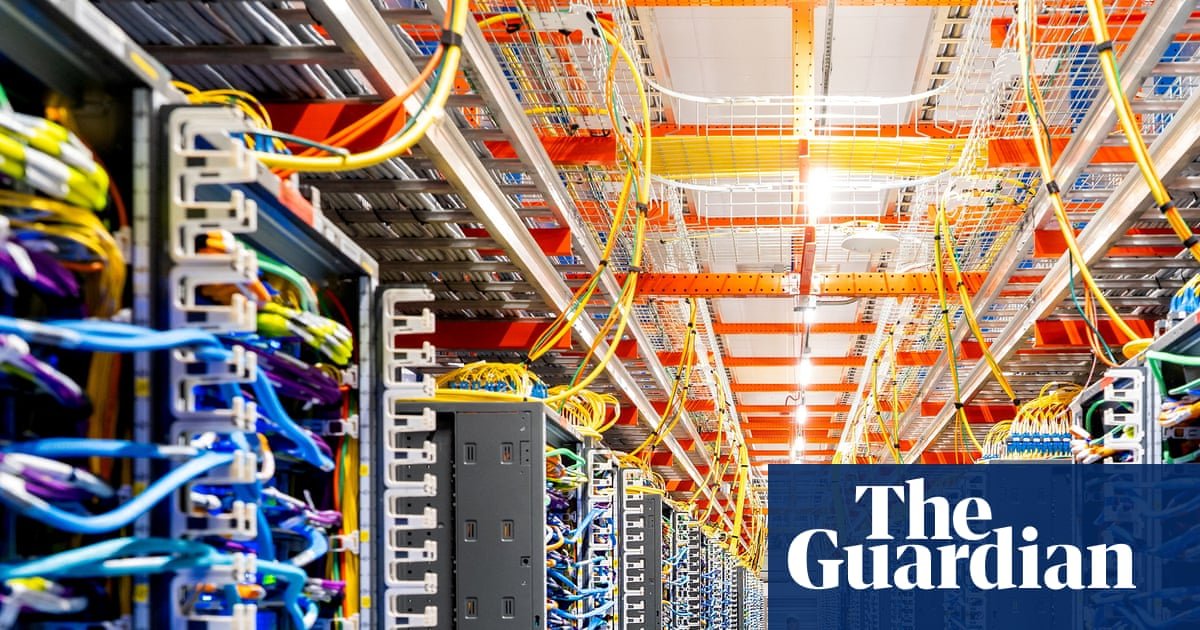
As we enter 2026, the world is witnessing a seismic shift in the infrastructure that supports our digital lives: the rapid proliferation of datacenters. By now, datacenters have firmly rooted themselves in established locations like the U.S. and China. However, their expansion is increasingly taking them into emerging markets. Prominent tech giants are pouring billions into building the infrastructure that underpins artificial intelligence (AI).
India stands at the forefront of this expansion, with Microsoft committing a staggering $17.5 billion towards new datacenters. Amazon quickly followed, announcing a $35 billion investment. Meanwhile, Google has partnered with local conglomerates for a $15 billion venture. Southeast Asia is not far behind, with Indonesia, Malaysia, and Vietnam expecting double-digit growth in datacenters and computing capacity.
Yet, this rapid construction isn’t without consequences. For instance, Brazil is positioning itself as the datacenter hub of Latin America, but outdated power grids have led to blackouts, raising environmental concerns. Activists are beginning to push back against the rapid expansion, citing the far-reaching impact on local communities. In the Middle East, countries like Saudi Arabia and the UAE are investing heavily in AI infrastructure in a bid to decrease dependence on oil.
However, caution is warranted; there are cautionary tales from regions like China, where an oversupply of datacenters has resulted in many being left dormant. Up to 80% of newly built datacenters in China reportedly struggle to find customers, a scenario that could repeat itself in other rapidly growing markets if not managed sustainably.
The Global Arrival of Self-Driving Cars
The self-driving car landscape is evolving, and 2026 is set to be a landmark year for autonomous vehicles. Major companies from the U.S. and China are gearing up to deploy their self-driving taxis across major urban centers around the globe. With Waymo making strides in U.S. cities, including LA and New York, and Baidu’s Apollo Go rolling out in locales like Dubai and Singapore, the competition is heating up.
American companies like Uber are also eyeing expansions, with autonomous vehicles planned for Germany in the near future. The race to capture market share in the autonomous vehicle sector parallels the frenzied mating dances of birds—strategic posturing filled with anxiety and optimism. Expect to see self-driving cars increasingly mingling with everyday life, offering an exciting glimpse into the future of urban transportation.
Billionaires are Probably Going to Get Richer
If 2025 was a year for tech moguls to cash in, 2026 promises an even bigger payday. Ten of tech’s wealthiest executives added over $550 billion to their fortunes in the last year, and the trend looks likely to continue. With initial public offerings (IPOs) of OpenAI and SpaceX on the horizon—valued at a jaw-dropping $830 billion and $800 billion, respectively—investors are eager to board the money train.
Elon Musk, who has been commanding headlines and headlines alike, is set to see his wealth skyrocket further with the IPOs. Meanwhile, other tech leaders, such as Sam Altman of OpenAI, have seen their investors and employees ready to stake their claim in a lucrative future, although Altman himself may not enjoy the same financial windfall.
Conversely, Larry Ellison’s fortunes have undergone volatility with Oracle’s stock taking a hit due to fears of an AI bubble. As we look ahead, keeping an eye on how these fortunes fluctuate will be essential, especially given the unpredictable nature of the tech market.
AI Does – and Doesn’t – Transform Work
Artificial Intelligence continues to be a double-edged sword in today’s workforce. While certain sectors like coding and customer service are benefiting from AI advancements—think of the productivity gains—other industries remain resistant to change. An MIT study revealed that an alarming 95% of AI pilot programs fail to deliver on their promises, leading companies to hesitate in hiring while waiting for technology to catch up.
Hollywood, for instance, is turning to AI as a cost-saving measure in production. Conversely, creatives in journalism have pushed back against AI-generated writing due to concerns about accuracy. Legal professionals are also grappling with integrating AI tools, given their propensity for generating fictitious cases despite their efficiency in other tasks.
2026 may bring generative AI into greater focus across various industries, leading to more practical applications that genuinely bolster productivity without sacrificing quality.
Can I Interest You in a New Device?
The traditional smartphone landscape has remained somewhat stagnant, but the upcoming year is set to shake things up. Rumors surrounding Apple’s folding phone suggest a new direction for smartphones, enticing even the most loyal users of the brand. With Android devices already experimenting with folding technologies, Apple’s potential entry into this market will draw attention.
Additionally, companies are scrambling to innovate intelligent devices that seamlessly integrate AI into everyday experiences. OpenAI’s investment in hardware manufacturing signals a future where AI might inhabit everything from smart glasses to quirky home appliances. Expect to see smart devices proliferate in ways we can hardly imagine today—whether that’s in the form of AI-equipped gadgets or entirely new categories of consumer technology.
As we stand on the precipice of 2026, the tech landscape is primed for transformation. These trends offer tantalizing glimpses into what tomorrow may hold, and we’re all invited to witness this exhilarating journey unfold.