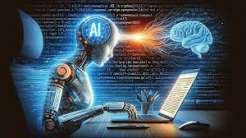


The world of work is changing faster than ever.
Technology, artificial intelligence, automation, remote collaboration, changing employee expectations, and new business models are transforming how organizations operate and how people build their careers. The traditional workplace model is gradually evolving into a more flexible, connected, and technology-driven environment.
The Future of Work is not simply about working from home or replacing employees with artificial intelligence. It is about creating new ways for people and technology to work together.
Businesses are adopting digital tools to automate repetitive tasks, improve communication, analyze data, support customers, manage projects, and make faster decisions. At the same time, employees are developing new skills and expecting greater flexibility, meaningful work, and better digital experiences.
Understanding these changes is essential for businesses, entrepreneurs, managers, employees, freelancers, and anyone preparing for the next generation of work.
What Is the Future of Work?
The Future of Work refers to the way employment, workplaces, business operations, technology, and workforce expectations are expected to evolve over time.
It includes several major developments:
- Artificial intelligence
- Automation
- Remote and hybrid work
- Digital collaboration
- AI-powered productivity tools
- Flexible working arrangements
- New career paths
- Continuous learning
- Digital skills
- Human-AI collaboration
- Workplace analytics
- Distributed teams
- Employee experience technology
- New approaches to leadership
Rather than being a single destination, the Future of Work is an ongoing transformation.
Why the Future of Work Matters
Work is one of the most important parts of the global economy. When technology changes how work is performed, it affects businesses, employees, education, hiring, entrepreneurship, and entire industries.
Companies that understand these changes can potentially:
- Improve productivity
- Reduce repetitive work
- Attract skilled workers
- Improve employee experiences
- Reduce operational costs
- Support distributed teams
- Make better decisions
- Create new products and services
- Respond faster to market changes
For employees, understanding workplace trends can help with career planning and skill development.
Artificial Intelligence and the Future of Work
Artificial intelligence is one of the most significant technologies influencing the future workplace.
AI can help organizations perform tasks such as:
- Data analysis
- Content generation
- Customer support
- Document processing
- Research
- Software development
- Marketing analysis
- Meeting summaries
- Translation
- Forecasting
- Workflow automation
Generative AI has also made it easier for employees to interact with technology using natural language.
Instead of learning complicated software commands, workers can increasingly describe what they need and allow AI systems to assist with the task.
AI Will Change Jobs, Not Just Job Titles
One of the most important aspects of workplace AI is that its impact may occur inside existing jobs.
For example, a marketing professional might use AI to analyze campaigns, generate initial content ideas, summarize research, and identify customer trends.
The person remains responsible for strategy, judgment, creativity, and final decisions, while AI handles some of the repetitive work.
This means the future may involve human-AI collaboration rather than a simple choice between humans and machines.
Automation and the Workplace
Automation involves using technology to perform tasks with limited human intervention.
Traditional automation has already been used in manufacturing, finance, logistics, customer service, and other industries.
Modern automation is becoming more sophisticated through AI.
Businesses can automate workflows such as:
- Receiving a customer inquiry
- Collecting information
- Classifying the request
- Sending it to the appropriate department
- Generating a response
- Updating a CRM
- Creating a follow-up task
This allows employees to spend more time on activities requiring judgment, communication, creativity, and problem-solving.
AI Agents and Autonomous Workflows
The next stage of workplace automation involves AI systems that can perform multiple steps toward a goal.
AI agents can potentially:
- Research information
- Analyze documents
- Use connected applications
- Complete repetitive workflows
- Monitor events
- Generate reports
- Take predefined actions
- Escalate complex situations to humans
This could change how businesses structure operations.
Instead of manually moving information between applications, employees may increasingly supervise intelligent systems that perform routine processes.
However, organizations still need human oversight, particularly for sensitive decisions, financial activities, customer-impacting actions, and situations where mistakes can have serious consequences.
Remote Work and Distributed Teams
Remote work has transformed expectations about where work needs to happen.
Modern organizations can use:
- Video conferencing
- Team messaging
- Project management platforms
- Cloud storage
- Online documents
- Digital whiteboards
- Workflow automation
- Virtual collaboration environments
These technologies allow teams to work across cities, countries, and time zones.
Remote work can provide businesses with access to a broader talent pool while giving employees greater flexibility.
However, distributed teams also create challenges.
These include:
- Communication gaps
- Time-zone differences
- Isolation
- Meeting overload
- Difficulties building company culture
- Security risks
- Coordination problems
Successful remote organizations therefore need intentional communication and clear processes.
The Rise of Hybrid Work
Hybrid work combines remote and in-office work.
This model allows employees to work from different locations depending on their responsibilities.
For example, a company might use office days for:
- Team meetings
- Brainstorming
- Training
- Collaboration
- Company events
Employees may use remote days for:
- Deep work
- Writing
- Research
- Development
- Administrative tasks
The success of hybrid work depends less on simply choosing a schedule and more on establishing clear expectations.
Asynchronous Work
Asynchronous work allows employees to contribute without requiring everyone to be available simultaneously.
Instead of scheduling a meeting to discuss every issue, teams can use:
- Written updates
- Recorded presentations
- Shared documents
- Project boards
- Task comments
- Knowledge bases
This approach can be particularly useful for global teams working across different time zones.
It can also reduce unnecessary meetings and give employees more time for focused work.
The End of Meeting Overload
Meetings can be useful, but too many meetings can reduce productivity.
The Future of Work is likely to place greater emphasis on determining whether a meeting is actually necessary.
Before scheduling a meeting, teams can ask:
- Does this require real-time discussion?
- Could this be handled through a document?
- Does everyone need to attend?
- Is a decision required?
- Can the information be communicated asynchronously?
Reducing unnecessary meetings can create more time for productive work.
The Importance of Digital Skills
As technology becomes integrated into almost every industry, digital skills are becoming increasingly important.
Workers may need skills in areas such as:
- AI literacy
- Data analysis
- Digital communication
- Cybersecurity awareness
- Automation
- Cloud applications
- Digital collaboration
- Problem-solving
- Technology evaluation
However, technical skills are only part of the equation.
Human Skills Will Become More Valuable
As automation handles more predictable tasks, uniquely human capabilities may become increasingly valuable.
Important skills include:
- Critical thinking
- Creativity
- Leadership
- Communication
- Empathy
- Negotiation
- Adaptability
- Strategic thinking
- Problem-solving
- Relationship building
Technology can process information quickly, but organizations still need people who can understand context, manage relationships, make judgments, and lead teams.
Continuous Learning and Reskilling
The speed of technological change means that education cannot necessarily stop when someone finishes school or university.
Employees may need to continuously develop new skills throughout their careers.
Organizations can support this through:
- Internal training
- Online learning
- Mentorship
- Professional development
- AI training
- Technical workshops
- Cross-functional projects
- Certification programs
The ability to learn and adapt may become one of the most important career advantages.
The Changing Role of Managers
Technology is also changing management.
Managers increasingly need to coordinate employees who may work across different locations and schedules.
Modern leadership requires more than monitoring whether people are online.
Effective managers should focus on:
- Clear goals
- Outcomes
- Communication
- Employee development
- Accountability
- Collaboration
- Trust
- Feedback
The shift from activity-based management to outcome-based management can help organizations measure what actually matters.
Employee Experience in the Digital Workplace
Technology should make work easier, not more complicated.
Poorly implemented software can create:
- Tool overload
- Duplicate work
- Confusing workflows
- Notification fatigue
- Training problems
- Employee frustration
A strong digital workplace should provide employees with the tools they need without forcing them to manage unnecessary technology.
Organizations should regularly evaluate whether their software stack genuinely improves productivity.
The Rise of the Digital Employee Experience
Employee experience increasingly includes the quality of digital systems workers interact with every day.
This includes:
- Internal communication
- HR platforms
- Project management
- File storage
- Customer relationship systems
- AI assistants
- Security tools
- Collaboration software
If employees have to use dozens of disconnected systems, productivity can suffer.
Integration is therefore becoming increasingly important.
Workplace Data and Productivity Analytics
Businesses can use data to understand how work is performed.
Workplace analytics can provide insights into:
- Project progress
- Customer response times
- Workload
- Resource allocation
- Process efficiency
- Employee engagement
However, organizations must be careful about employee privacy.
Productivity monitoring should not become excessive surveillance.
The goal should be to identify process problems and improve work rather than simply track every action employees take.
Cybersecurity in the Future Workplace
As businesses become more digital and distributed, cybersecurity becomes increasingly important.
Remote and hybrid organizations may have employees accessing company systems from:
- Homes
- Offices
- Hotels
- Airports
- Coworking spaces
- Personal devices
Organizations should therefore prioritize:
- Multi-factor authentication
- Strong passwords
- Access controls
- Device security
- Software updates
- Data encryption
- Security awareness training
- Secure cloud configurations
- Regular backups
A flexible workplace must also be a secure workplace.
The Growth of Flexible Careers
Traditional full-time employment is no longer the only way people participate in the economy.
The modern workforce includes:
- Freelancers
- Contractors
- Consultants
- Remote employees
- Entrepreneurs
- Creators
- Part-time professionals
- Digital specialists
Technology has made it easier for individuals to offer services across geographical boundaries.
This has also created new opportunities for businesses to hire specialized talent when needed.
The Creator and Independent Economy
Digital platforms have enabled individuals to build businesses around their skills, knowledge, audiences, and creativity.
Examples include:
- Content creators
- Designers
- Developers
- Writers
- Consultants
- Online educators
- Digital marketers
- Coaches
The Future of Work may therefore involve more people combining traditional employment with independent income streams.
The Four-Day Workweek and Flexible Schedules
Some organizations are experimenting with shorter workweeks and flexible schedules.
The objective is not simply to reduce working hours. It is to determine whether organizations can maintain or improve results through better processes.
Technology and automation may make this easier by reducing repetitive administrative tasks.
Flexible schedules can also help employees manage personal responsibilities while maintaining professional productivity.
Small Businesses and the Future of Work
Small businesses can benefit significantly from workplace technology.
Cloud software, AI, automation, and digital collaboration allow small teams to accomplish tasks that previously required larger departments.
For example, a small company could use technology for:
- Customer support
- Marketing
- Accounting
- Scheduling
- Lead management
- Document processing
- Sales follow-ups
- Reporting
- Internal communication
This can allow small businesses to compete more effectively with larger organizations.
The Future of Hiring
Recruitment is also changing.
Businesses increasingly use technology to:
- Find candidates
- Screen applications
- Schedule interviews
- Assess skills
- Manage recruitment workflows
- Communicate with applicants
AI can make recruitment more efficient, but organizations must carefully manage potential bias and ensure that automated systems do not unfairly disadvantage qualified candidates.
Human judgment remains important when making employment decisions.
What Jobs Will Be Most Valuable?
It is difficult to predict exactly which jobs will dominate the future.
However, roles combining technical knowledge with human judgment may become particularly valuable.
Potentially important areas include:
- AI development
- Cybersecurity
- Data analytics
- Product management
- Digital marketing
- Healthcare technology
- Robotics
- Automation
- Cloud computing
- AI governance
- Technology consulting
At the same time, many traditional professions will continue to exist while their workflows change.
Preparing for the Future of Work
Businesses and individuals can take practical steps to prepare.
For Businesses
Companies should:
- Identify repetitive processes.
- Determine where automation can help.
- Train employees in AI and digital tools.
- Improve cybersecurity.
- Create flexible work policies.
- Reduce unnecessary meetings.
- Improve collaboration systems.
- Invest in continuous learning.
- Establish responsible AI policies.
- Measure outcomes rather than activity.
For Employees
Workers can:
- Develop AI literacy.
- Improve digital skills.
- Learn how automation works.
- Strengthen communication skills.
- Develop critical thinking.
- Learn continuously.
- Build a professional network.
- Understand their industry’s technology trends.
- Become comfortable working with digital teams.
- Focus on skills that complement technology.
Common Mistakes Businesses Make
Adopting Technology Without a Strategy
Buying new software does not automatically improve productivity.
Automating Broken Processes
Automation can make an inefficient process faster without making it better.
Businesses should improve the workflow before automating it.
Ignoring Employees
Technology implementation works better when employees understand why changes are happening and receive appropriate training.
Measuring Activity Instead of Results
Tracking hours, messages, or online status does not necessarily measure productivity.
Ignoring Security
Remote access and cloud software require strong cybersecurity practices.
Using Too Many Tools
More software can create more complexity.
Organizations should prioritize simplicity and integration.
The Future Workplace Will Be Human-Centered
Technology is becoming more powerful, but successful organizations will still depend on people.
The workplace of the future should not be designed around technology alone.
Instead, businesses should ask:
How can technology help people do better work?
This approach places productivity, creativity, collaboration, employee wellbeing, customer experience, and business outcomes at the center of digital transformation.
AI and automation should remove unnecessary work where possible while giving employees more time for activities that require human judgment and creativity.
Future of Work: Key Predictions
Several trends are likely to continue shaping the workplace:
1. AI Will Become a Standard Workplace Tool
AI assistance will increasingly become part of everyday software rather than a separate technology.
2. Automation Will Move Into More Business Processes
More administrative and repetitive workflows will become automated.
3. Human-AI Collaboration Will Become Normal
Employees will increasingly work alongside AI systems.
4. Skills Will Matter More Than Static Job Descriptions
Workers may increasingly be evaluated based on what they can accomplish rather than a fixed list of responsibilities.
5. Continuous Learning Will Become Essential
Technology changes too quickly for one-time education to remain sufficient.
6. Flexible Work Will Continue Evolving
Remote, hybrid, and flexible work models will continue developing based on industry and organizational needs.
7. Cybersecurity Will Become Everyone’s Responsibility
Security awareness will become increasingly important as more work happens digitally.
8. Companies Will Focus More on Outcomes
Businesses will increasingly evaluate productivity based on results rather than visible activity.
Frequently Asked Questions
What does the Future of Work mean?
The Future of Work describes how technology, AI, automation, workplace models, employee expectations, and business practices are changing the way people work.
Will AI replace human workers?
AI may automate some tasks and change some roles, but many jobs are likely to evolve rather than simply disappear. Human judgment, creativity, communication, and leadership remain important.
Is remote work part of the Future of Work?
Yes. Remote and hybrid work are major components of the evolving workplace, although their adoption varies by industry and job type.
What skills will be important in the future?
AI literacy, digital skills, critical thinking, creativity, communication, adaptability, problem-solving, and leadership are likely to remain valuable.
How can businesses prepare for the Future of Work?
Businesses can invest in employee training, AI and automation, cybersecurity, digital collaboration, flexible work policies, process improvement, and responsible technology adoption.
Will automation improve productivity?
Automation can improve productivity when applied to appropriate processes. However, automating inefficient workflows can simply make inefficient processes run faster.
Is the four-day workweek the future?
Some organizations are experimenting with shorter workweeks, but there is no universal model. The appropriate approach depends on the industry, workforce, and business objectives.
Why is continuous learning important?
Technology changes rapidly. Continuous learning helps workers adapt to new tools, responsibilities, and opportunities throughout their careers.
Conclusion
The Future of Work is already taking shape.
Artificial intelligence, automation, remote collaboration, flexible employment, digital workplaces, and continuous learning are changing how businesses operate and how people build careers.
The biggest opportunity is not simply to replace human work with technology. It is to combine technology with human strengths.
Businesses that successfully prepare for the future will focus on improving processes, empowering employees, adopting useful technology, protecting data, and creating workplaces where people and intelligent systems can work together effectively.
For employees, the best preparation is continuous learning. Developing digital skills while strengthening communication, creativity, critical thinking, and adaptability can create a strong foundation for an evolving job market.
The future workplace will continue to change, but one principle is likely to remain important: technology should make people and businesses more capable, not simply more complicated.