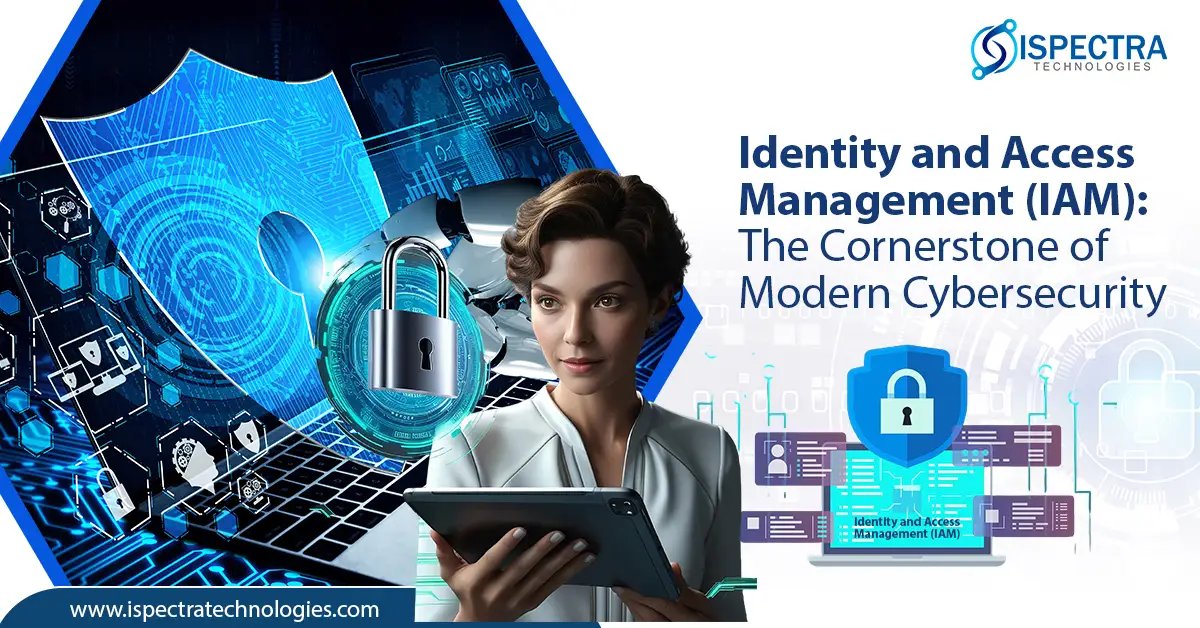
As cyber threats become more advanced, protecting sensitive data is no longer just about firewalls and antivirus software. The real battleground is identity—who has access to what, and under what conditions.
This is where Identity & Access Management (IAM) plays a critical role. IAM ensures that only the right individuals can access the right resources at the right time—nothing more, nothing less.
What is Identity & Access Management (IAM)?
Identity & Access Management (IAM) is a framework of policies, technologies, and processes used to manage digital identities and control user access to systems, applications, and data.
IAM answers three essential questions:
- Who are you? (Authentication)
- What can you access? (Authorization)
- How is access monitored? (Auditing)
Why IAM is Important in Cybersecurity
With the rise of cloud computing, remote work, and digital transformation, organizations face increased risk of:
- Unauthorized access
- Data breaches
- Insider threats
IAM helps prevent these risks by enforcing strict access controls and ensuring accountability.
Core Components of IAM
1. Authentication
Authentication verifies a user’s identity using:
- Passwords
- Biometrics (fingerprint, facial recognition)
- One-time codes
Modern systems use Multi-Factor Authentication (MFA), commonly supported by tools like Google Authenticator.
2. Authorization
Authorization determines what a user can do after they are authenticated.
This is often based on:
- Roles (Role-Based Access Control – RBAC)
- Attributes (Attribute-Based Access Control – ABAC)
3. User Management
IAM systems manage the lifecycle of users:
- Onboarding (account creation)
- Role assignment
- Deactivation or deletion
4. Single Sign-On (SSO)
SSO allows users to access multiple applications with one login.
Examples include enterprise solutions like Okta and Microsoft Azure Active Directory.
5. Privileged Access Management (PAM)
PAM focuses on controlling access for high-level users like administrators.
It helps prevent:
- Abuse of privileges
- Insider threats
6. Audit & Compliance
IAM systems track user activity to ensure compliance with security policies and regulations.
Key IAM Technologies
Multi-Factor Authentication (MFA)
MFA adds an extra layer of security beyond passwords.
Example factors:
- Something you know (password)
- Something you have (phone or token)
- Something you are (biometric data)
Identity Federation
Identity federation allows users to access multiple systems across organizations using a single identity.
Protocols include:
- SAML (Security Assertion Markup Language)
- OAuth
- OpenID Connect
Zero Trust Security Model
IAM is central to the Zero Trust approach, where:
- No user or device is trusted by default
- Continuous verification is required
Benefits of IAM
1. Enhanced Security
IAM reduces the risk of unauthorized access and breaches.
2. Improved User Experience
Features like SSO simplify login processes for users.
3. Regulatory Compliance
IAM helps organizations meet standards like:
- GDPR
- HIPAA
- ISO 27001
4. Operational Efficiency
Automated user provisioning reduces manual work for IT teams.
Common IAM Challenges
1. Complex Implementation
Deploying IAM systems can be technically challenging.
2. User Resistance
Employees may resist additional security steps like MFA.
3. Integration Issues
Legacy systems may not easily integrate with modern IAM solutions.
4. Credential Theft
Phishing attacks can still compromise user credentials.
Best Practices for IAM Implementation
1. Enforce Strong Authentication
Use MFA tools like Google Authenticator.
2. Apply Least Privilege Principle
Users should only have access to what they need.
3. Regular Access Reviews
Periodically audit user permissions.
4. Monitor and Log Activities
Track suspicious activities in real time.
5. Adopt Zero Trust Architecture
Never trust, always verify.
IAM in the Cloud Era
Cloud platforms have transformed IAM by offering scalable and flexible solutions.
Popular cloud IAM services include:
- Amazon Web Services IAM
- Microsoft Azure AD
- Google Cloud IAM
These platforms allow businesses to manage identities across distributed environments.
Real-World Use Cases of IAM
1. Enterprise Security
Large organizations use IAM to control employee access to sensitive systems.
2. Remote Work Enablement
IAM ensures secure access for remote employees.
3. Customer Identity Management
Businesses manage customer logins securely (CIAM).
4. Financial Services
Banks use IAM to protect user accounts and transactions.
The Future of IAM
1. Passwordless Authentication
Biometrics and hardware tokens will replace passwords.
2. AI-Powered Security
AI will detect anomalies and prevent unauthorized access in real time.
3. Decentralized Identity
Blockchain-based identity systems will give users control over their data.
4. Continuous Authentication
Users will be verified continuously, not just at login.
Final Thoughts
Identity is the new security perimeter, and IAM is at the heart of protecting digital ecosystems. As cyber threats evolve, organizations must invest in strong IAM strategies to safeguard their data, systems, and users.
Whether you’re a small business or a global enterprise, implementing effective IAM is no longer optional—it’s essential.
SEO FAQs
Q: What is IAM in cybersecurity?
IAM is a system that manages user identities and controls access to resources.
Q: What is the difference between authentication and authorization?
Authentication verifies identity, while authorization determines access rights.
Q: What is MFA in IAM?
Multi-Factor Authentication adds extra security layers beyond passwords.
Q: What are examples of IAM tools?
Tools include Okta and Microsoft Azure Active Directory.