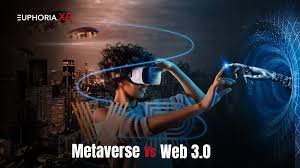
The internet is evolving rapidly, and two of the most transformative forces driving this change are the Metaverse and Web3. These technologies are reshaping how we interact online, own digital assets, and build decentralized communities.
From virtual worlds to blockchain-powered economies, the future of the internet is no longer just about browsing—it’s about immersive experiences and true digital ownership.
What is Web3?
Web3 refers to the next generation of the internet built on blockchain technology. Unlike traditional web platforms controlled by centralized companies, Web3 emphasizes decentralization, transparency, and user ownership.
Key Features of Web3:
- Decentralized networks
- Blockchain-based transactions
- Tokenized economies
- User control over data
Platforms like Ethereum play a major role in enabling Web3 applications.
What is the Metaverse?
The Metaverse is a virtual, immersive digital world where users can interact, work, play, and socialize using avatars.
Think of it as a 3D version of the internet, powered by technologies like:
- Virtual Reality (VR)
- Augmented Reality (AR)
- Blockchain
Companies like Meta Platforms are investing heavily in building metaverse ecosystems.
How Web3 and the Metaverse Work Together
Web3 provides the infrastructure (blockchain, tokens, smart contracts), while the Metaverse delivers the immersive experience.
Together, they enable:
- Digital ownership of assets
- Decentralized economies
- Interoperable virtual environments
For example, users can buy virtual land in platforms like Decentraland and truly own it as an NFT.
Key Technologies Powering Web3 & the Metaverse
1. Blockchain Technology
Blockchain ensures transparency, security, and decentralization.
Popular blockchains include:
- Ethereum
- Solana
2. NFTs (Non-Fungible Tokens)
NFTs represent ownership of unique digital assets.
Use Cases:
- Digital art
- Virtual real estate
- Gaming assets
3. Smart Contracts
Smart contracts are self-executing programs on the blockchain that automate transactions without intermediaries.
4. Virtual & Augmented Reality
These technologies create immersive experiences in the Metaverse.
Devices like Oculus Quest 2 enable users to explore virtual worlds.
Popular Metaverse Platforms
1. Decentraland
- Fully decentralized virtual world
- Users own land as NFTs
- Built on Ethereum
2. The Sandbox
- Focuses on gaming and user-generated content
- Allows monetization of assets
3. Roblox
- Not fully decentralized but highly popular
- Strong creator economy
Benefits of Web3 & the Metaverse
1. True Digital Ownership
Users own their assets without relying on centralized platforms.
2. Decentralization
No single entity controls the network, reducing censorship and monopolies.
3. New Economic Opportunities
- Play-to-earn gaming
- NFT trading
- Virtual real estate investment
4. Enhanced User Experience
Immersive environments create more engaging interactions.
Challenges and Risks
1. Scalability Issues
Blockchain networks can struggle with high transaction volumes.
2. Security Concerns
Smart contract vulnerabilities and scams are still common.
3. Regulatory Uncertainty
Governments are still figuring out how to regulate Web3 technologies.
4. High Entry Barriers
VR devices and crypto knowledge can be limiting for new users.
Real-World Use Cases
Gaming
Play-to-earn games allow users to earn cryptocurrencies and NFTs.
Virtual Real Estate
Users buy and sell digital land in platforms like Decentraland.
Social Interaction
Virtual events, concerts, and meetings are becoming more common.
E-commerce
Brands are opening virtual stores in the Metaverse.
The Role of Crypto in the Metaverse
Cryptocurrencies power transactions in Web3 ecosystems.
Examples:
- Ether
- MANA
These tokens are used for:
- Buying assets
- Paying for services
- Governance voting
Future Trends to Watch
Interoperability
Users will be able to move assets across different platforms seamlessly.
Enterprise Adoption
More companies will build virtual offices and experiences.
AI Integration
AI will enhance avatars, environments, and user interactions.
Mass Adoption
As technology improves, more people will enter the Web3 ecosystem.
How to Get Started with Web3 & the Metaverse
Step 1: Create a Crypto Wallet
Use wallets like MetaMask to store assets.
Step 2: Buy Cryptocurrency
Purchase tokens like Ether.
Step 3: Explore Platforms
Join platforms like Decentraland or The Sandbox.
Step 4: Stay Informed
Follow trends and updates in the crypto and Web3 space.
Final Thoughts
The Metaverse and Web3 are redefining the internet as we know it. While still in early stages, these technologies offer exciting opportunities for innovation, investment, and digital ownership.
However, like any emerging technology, they come with risks. Understanding the ecosystem and staying informed is essential for success.
SEO FAQs
Q: What is the difference between Web3 and the Metaverse?
Web3 is the infrastructure (blockchain), while the Metaverse is the immersive virtual experience.
Q: Is the Metaverse the future?
Many experts believe it will play a major role in the future of digital interaction.
Q: How do I make money in the Metaverse?
Through NFTs, virtual real estate, and play-to-earn games.
Q: Is Web3 safe?
It offers strong security but still faces risks like scams and hacks.