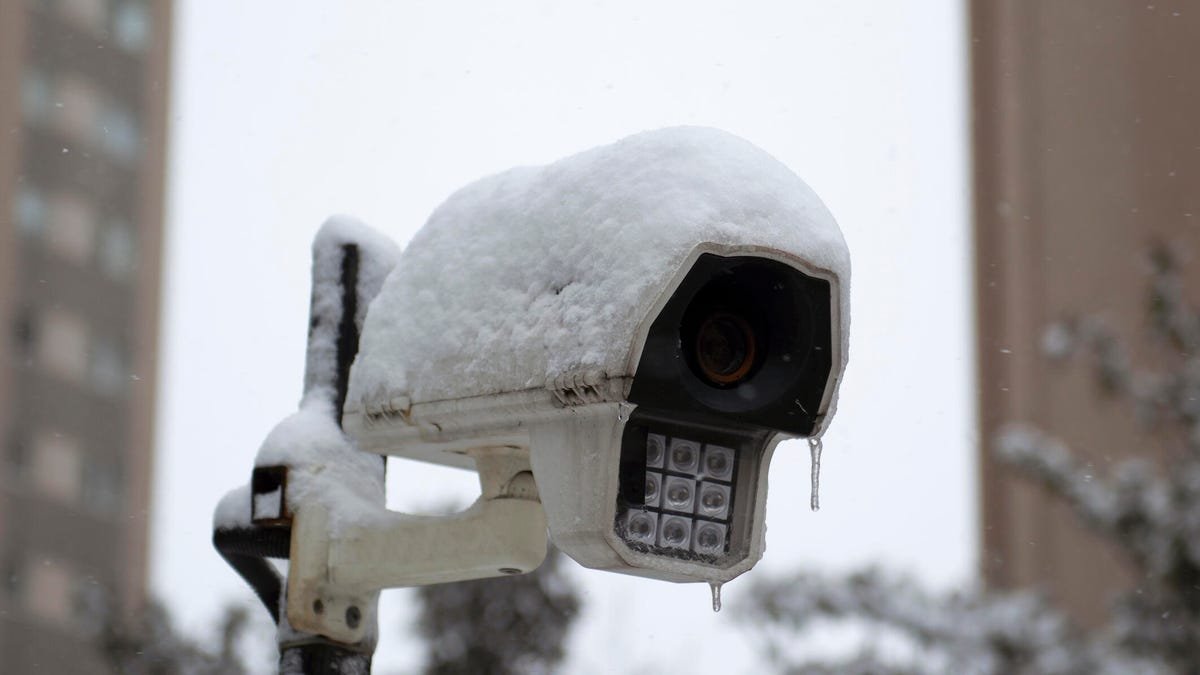
Keeping Your Security Cameras Safe During Winter Storms: Tips for Homeowners
Winter storms can be quite harsh, and while we may prepare ourselves for the frigid temperatures and high winds, we often overlook how these elements can affect our home security devices, particularly outdoor cameras. With temperatures plunging and heavy snowfall expected, ensuring that your cameras are capable of surviving the elements is essential. Below are some tips and tricks to keep your security cameras operational when the winter weather strikes.
Understanding Weather Resistance Ratings
When shopping for outdoor security cameras, it’s crucial to check their Ingress Protection (IP) ratings. These ratings signify a camera’s ability to withstand dust and water exposure, a critical factor during winter storms. An IP rating consists of two numbers, where the first denotes dust protection and the second indicates water resistance, such as:
- IPX5: Resistant to low-pressure water jets
- IPX6: Resistant to high-pressure water jets
Cameras without an IP rating are not designed for outdoor use, so always look for at least an IPX5 or IPX6 rating to ensure durability in the face of rain and snow.
Additionally, check for the operating temperature range specified in the product details. For instance, the Nest Outdoor Cam operates efficiently in temperatures ranging from -4°F to 104°F, but if you’re in a severely cold climate, it might be wise to invest in a model with a broader temperature range.
Strategically Position Your Cameras
Placement plays a crucial role in ensuring that your cameras remain functional. Here are some positioning tips:
-
Under Eaves or Awnings: Keeping cameras sheltered from direct precipitation will protect their lenses from freezing rain and accumulating snow. Position your cameras to mimic where you’d want to stay dry during a storm.
-
Avoid Windy Areas: Wind can blow debris and moisture directly onto your camera. Identify any particularly gusty locations and avoid mounting your cameras there.
- Correct Tilt Direction: Resist the urge to tilt your camera upward. An upward tilt can lead to rainwater pooling on the lens, causing blurring and crystalizing dirt, making maintenance a hassle. Keep cameras aimed forward or slightly downward for clearer images and easier upkeep.
Protection from Direct Elements
Even with a high IP rating, you should always provide additional layers of protection for your camera:
-
Full Camera Enclosures: Consider installing a camera enclosure, a protective casing similar to a birdhouse, allowing for visibility while shielding against extreme conditions. Opt for heated enclosures in areas experiencing extreme cold.
-
Use Robust Mounting Options: Avoid adhesive mounts for your cameras in regions with severe winter weather. Instead, secure them with screw-in options which can withstand heavy winds and precipitation.
- Ensure Proper Cable Management: If you’re using outdoor wired cameras, ensure that all cables are rated for outdoor use. Look for connectors with silicone shields for moisture protection. If necessary, set up a protective junction box to handle any wiring needs.
Regular Maintenance and Monitoring
Once you’ve established your camera placement and ensured weather protection, regular maintenance is a must:
-
Check Alerts: Many app-connected security devices will alert you if temperatures fall below operational thresholds. Stay alert to these warnings to prevent your cameras from freezing.
- Clean Regularly: Snow, ice, and dirt can accumulate on camera lenses and housing. Regular cleaning will help maintain clear visibility and ensure optimal functionality.
Additional Considerations
If you live in an area notorious for brutal winters, extra measures can be beneficial:
-
Utilize Upgraded Models: Investing in cutting-edge cameras designed for extreme climates can offer additional features and durability.
- Stay Informed: Regularly check weather forecasts and prepare your cameras against any upfront winter challenges, ensuring they remain robust and fully functional.
By incorporating these proactive measures, you can protect your security cameras from the challenges posed by winter storms, ensuring your home remains secure and monitored even during the harshest conditions.