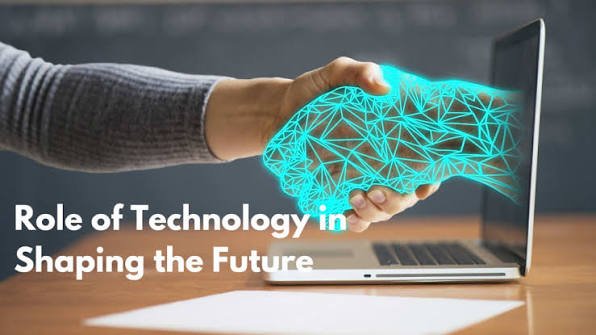
Technology has become deeply integrated into nearly every aspect of modern life. From the smartphones we carry to the artificial intelligence systems powering businesses, education, healthcare, and communication, digital innovation has transformed how people live, work, learn, and interact with one another.
The rapid pace of technological advancement has created remarkable opportunities. Businesses have become more productive, students have greater access to educational resources, healthcare providers can diagnose diseases more efficiently, and people around the world can communicate instantly regardless of geographical distance.
At the same time, technology has introduced complex social challenges. Concerns about privacy, misinformation, cybersecurity, digital inequality, automation, mental well-being, and ethical AI continue to shape public discussions worldwide. Understanding both the benefits and the potential drawbacks of technological progress is essential for individuals, organizations, educators, policymakers, and communities.
This comprehensive guide explores the social impact of technology, examines how innovation is changing society, highlights emerging trends, and discusses how we can build a more inclusive, responsible, and sustainable digital future.
What Is the Social Impact of Technology?
The social impact of technology refers to the ways technological innovations influence people’s lives, relationships, communities, economies, institutions, and cultural practices.
Technology affects:
- Communication
- Education
- Employment
- Healthcare
- Government
- Business
- Entertainment
- Transportation
- Finance
- Personal relationships
Its influence extends far beyond devices—it shapes how societies function.
Technology and Communication
Perhaps no area has changed more dramatically than communication.
Digital technology enables people to:
- Connect instantly across continents
- Collaborate remotely
- Share knowledge
- Build online communities
- Access information in real time
Messaging apps, video conferencing, collaborative platforms, and social networks have made global communication faster and more accessible than ever before.
Social Media and Human Connection
Social media has transformed how individuals share experiences and engage with communities.
Positive impacts include:
- Maintaining relationships
- Building professional networks
- Supporting social causes
- Sharing educational content
- Connecting niche communities
Challenges include:
- Misinformation
- Online harassment
- Echo chambers
- Privacy concerns
- Excessive screen time
Developing digital literacy is increasingly important for navigating online spaces responsibly.
Technology in Education
Educational technology has expanded learning opportunities worldwide.
Students now benefit from:
- Online courses
- Interactive learning platforms
- Virtual classrooms
- AI-powered tutoring
- Digital libraries
- Accessibility tools
Teachers use technology to personalize instruction, monitor progress, and enhance collaboration.
However, unequal access to devices and reliable internet continues to affect educational equity in many regions.
Healthcare Transformation
Technology is reshaping healthcare by improving:
- Medical diagnostics
- Telemedicine
- Remote patient monitoring
- Electronic health records
- Medical research
- Health education
Artificial intelligence supports healthcare professionals by assisting with data analysis and identifying patterns that may improve patient care.
Human expertise remains central to medical decision-making.
Technology and Employment
Automation, AI, robotics, and digital tools are changing how work is performed.
Benefits include:
- Increased productivity
- Reduced repetitive tasks
- Improved workplace safety
- New career opportunities
- Greater flexibility through remote work
At the same time, some job roles are evolving, requiring workers to develop new technical and interpersonal skills.
Continuous learning is becoming an essential part of career development.
The Rise of Remote Work
Cloud computing and collaboration platforms have enabled many organizations to adopt flexible work arrangements.
Advantages include:
- Better work-life flexibility
- Reduced commuting
- Access to global talent
- Increased business continuity
Organizations also face challenges such as maintaining collaboration, cybersecurity, employee engagement, and organizational culture.
Artificial Intelligence in Daily Life
AI has become increasingly integrated into everyday experiences.
Common examples include:
- Virtual assistants
- Recommendation systems
- Language translation
- Navigation services
- Smart home devices
- Customer support chatbots
- Content creation tools
Responsible AI development requires transparency, fairness, and appropriate human oversight.
Technology and the Digital Economy
Digital technologies continue to reshape commerce.
Businesses increasingly rely on:
- E-commerce
- Digital payments
- Cloud computing
- AI analytics
- Automation
- Digital marketing
Consumers benefit from convenience, broader product selection, and personalized services.
Financial Inclusion
Digital financial services have expanded access to banking and payment solutions.
Innovations include:
- Mobile banking
- Digital wallets
- Online payments
- Financial education platforms
- Microfinance technologies
While these tools improve accessibility, users should remain aware of cybersecurity and fraud risks.
Cybersecurity and Privacy
As society becomes more connected, protecting digital information has become increasingly important.
Individuals and organizations should prioritize:
- Strong passwords
- Multi-factor authentication
- Software updates
- Data encryption
- Privacy awareness
- Secure online practices
Cybersecurity is now a shared responsibility across governments, businesses, and individuals.
Technology and Accessibility
Technology has significantly improved accessibility for many people.
Examples include:
- Screen readers
- Voice recognition
- Real-time captioning
- Language translation
- Assistive communication tools
- Smart mobility solutions
Inclusive design helps ensure technology benefits a broader range of users.
Environmental Considerations
Technology contributes to sustainability in several ways.
Examples include:
- Smart energy management
- Precision agriculture
- Environmental monitoring
- Renewable energy optimization
- Smart transportation systems
At the same time, electronic waste and energy consumption remain important challenges that require responsible management.
Ethical Challenges
As technology becomes more powerful, ethical considerations become increasingly important.
Key issues include:
- Data privacy
- Algorithmic bias
- Transparency
- Accountability
- Consent
- AI governance
- Responsible innovation
Organizations should integrate ethical principles into technology design and deployment.
The Digital Divide
Not everyone has equal access to technology.
Factors contributing to the digital divide include:
- Internet availability
- Device affordability
- Digital literacy
- Infrastructure
- Geographic location
Reducing these barriers can help expand educational and economic opportunities.
Technology and Democracy
Digital technologies influence civic participation by enabling:
- Greater access to information
- Online public engagement
- Digital government services
- Community organization
However, societies also face challenges such as misinformation, election interference, and online manipulation.
Promoting media literacy and transparent digital practices is essential.
Technology and Culture
Technology shapes how people create and share culture.
Examples include:
- Streaming platforms
- Digital art
- Online publishing
- Content creation
- Virtual communities
- Global collaboration
Creators now have unprecedented opportunities to reach international audiences.
Emerging Technologies That Will Shape Society
Several innovations are expected to influence the next decade.
Artificial Intelligence
AI will continue supporting productivity, research, education, healthcare, and creative work.
Robotics
Robots may increasingly assist in manufacturing, logistics, healthcare, and hazardous environments.
Extended Reality (XR)
Virtual reality (VR), augmented reality (AR), and mixed reality (MR) may transform education, entertainment, training, and collaboration.
Quantum Computing
Although still developing, quantum computing could eventually influence scientific research, optimization, and cybersecurity.
Internet of Things (IoT)
Connected devices will continue improving smart homes, transportation systems, healthcare monitoring, and industrial automation.
Future Predictions
Looking ahead, several trends are likely to continue.
More Personalized Technology
AI systems are expected to deliver increasingly personalized experiences while providing users with greater control over their data.
Lifelong Digital Learning
Continuous education will become increasingly important as technology evolves and new skills emerge.
Stronger AI Governance
Governments and organizations are expected to develop more comprehensive frameworks for responsible AI deployment.
Human-Centered Innovation
Future technologies are likely to place greater emphasis on usability, accessibility, sustainability, and ethical design.
Increased Global Collaboration
Technology will continue enabling cross-border collaboration in research, education, healthcare, entrepreneurship, and innovation.
How Individuals Can Prepare
To thrive in a technology-driven world:
- Build digital literacy.
- Learn about AI and emerging technologies.
- Protect personal data.
- Practice responsible online behavior.
- Develop critical thinking skills.
- Continue learning throughout your career.
- Stay informed about technology trends.
- Balance digital engagement with offline well-being.
Best Practices for Organizations
Businesses and institutions should:
- Invest in employee digital skills.
- Prioritize cybersecurity.
- Promote ethical AI practices.
- Design accessible technologies.
- Protect customer privacy.
- Encourage innovation responsibly.
- Measure social impact alongside business performance.
- Engage diverse stakeholders in technology decisions.
Social Impact of Technology Checklist
To use technology responsibly:
- ✅ Strengthen digital literacy.
- ✅ Protect privacy and personal data.
- ✅ Verify information before sharing.
- ✅ Use secure online practices.
- ✅ Support inclusive technology.
- ✅ Continue developing digital skills.
- ✅ Encourage ethical AI use.
- ✅ Promote accessibility.
- ✅ Balance technology with personal well-being.
- ✅ Stay informed about emerging trends.
Conclusion
Technology has transformed society in extraordinary ways, improving communication, healthcare, education, business, accessibility, and economic opportunity. At the same time, it has introduced new responsibilities related to privacy, cybersecurity, misinformation, ethics, and digital inclusion.
The future of technology should not be measured solely by faster devices or more advanced algorithms. Its true success will depend on how effectively it improves people’s lives while respecting human rights, promoting fairness, expanding opportunity, and supporting sustainable development.
By embracing innovation responsibly, investing in digital literacy, and placing people at the center of technological progress, individuals, businesses, and governments can help shape a future where technology serves society in meaningful and equitable ways.
Frequently Asked Questions (FAQs)
1. What is the social impact of technology?
The social impact of technology refers to how digital innovations influence communication, education, healthcare, employment, business, culture, government, and everyday life.
2. How has technology improved society?
Technology has improved access to information, enhanced communication, expanded educational opportunities, increased healthcare capabilities, supported economic growth, and enabled global collaboration.
3. What are the biggest challenges created by technology?
Key challenges include privacy concerns, cybersecurity threats, misinformation, digital inequality, ethical AI issues, excessive screen time, and workforce adaptation to automation.
4. How can individuals use technology responsibly?
People can strengthen digital literacy, protect personal information, verify online content before sharing, practice cybersecurity, maintain healthy technology habits, and continue learning about emerging innovations.
5. What is the future social impact of AI?
AI is expected to increase productivity, personalize education and healthcare, improve accessibility, support scientific research, and reshape many industries while requiring strong governance, transparency, and human oversight.