Travel Technology Trends 2026: The Future of Journeying
Published on December 29, 2025
Travel technology trends for 2026 are reshaping how we plan, experience, and navigate destinations worldwide. As digital systems evolve, the travel sector is shifting towards AI-enhanced booking and itinerary management, paired with seamless border experiences that reduce friction at checkpoints and touchpoints. This evolution reflects global efforts to enhance traveler convenience while maintaining security and efficiency through digital identity, biometric systems, and intelligent planning tools, all pivotal to modern travel experiences.
The European Union’s Entry/Exit System (EES)
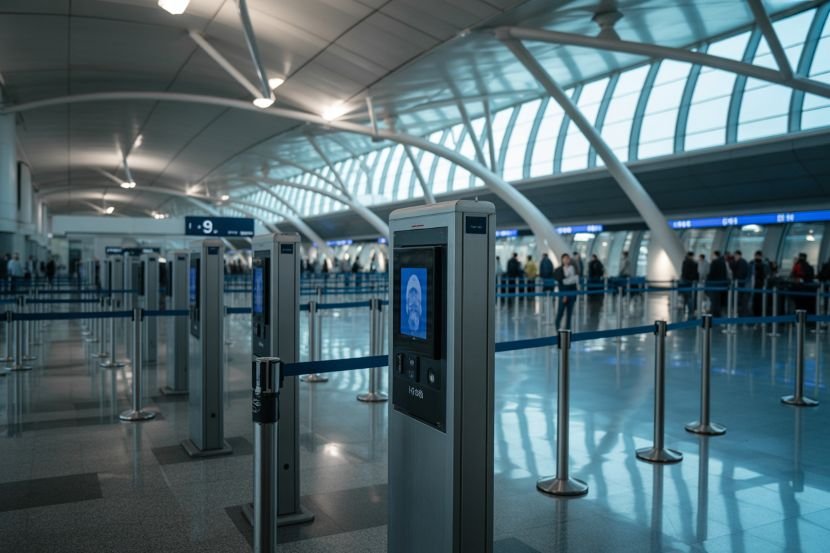
One of the most significant developments for international travelers is the European Union’s Entry/Exit System (EES). Initiated on October 12, 2025, and expected to be fully implemented by April 10, 2026, the EES replaces traditional passport stamping across the Schengen Area, which includes many popular tourist destinations like France, Italy, Spain, and Greece. This system utilizes digital registration of fingerprint and facial biometric data at border crossings, streamlining the process for non-EU nationals through biometric verification on subsequent entries and exits.
Biometric Borders and Digital Identity
Biometric technologies are increasingly becoming integral to travel infrastructure. Airports worldwide are adopting automated border control eGates that employ facial recognition, fingerprint scanning, or iris recognition to verify travelers’ identities swiftly. These innovations are designed to enhance passenger flow, creating a more efficient travel experience, especially amidst high volumes at major international hubs.
Beyond immigration control, digital identity frameworks are emerging. Solutions such as mobile boarding passes, digital wallets, and self-service kiosks allow travelers to manage check-ins, security screenings, and payments with minimal physical interaction. As airports and carriers implement these tools, the journey from arrival to boarding becomes smoother, reducing reliance on traditional paper documents.
AI and Hyper-Personalized Travel Planning
Artificial intelligence is a cornerstone of travel technology trends for 2026, altering how trips are conceived and executed. Modern AI systems do not merely summarize information; they provide hyper-personalized experiences tailored to individual preferences, travel history, and real-time context. These advanced systems can suggest and automate itinerary elements, such as flights, accommodation, local experiences, and connections, depending on a traveler’s unique profile.
For corporate travelers, AI-driven planning tools serve to optimize logistics by predicting delays, recommending alternatives, and facilitating efficient routes. This automation allows travel managers to balance the need for speed and safety while ensuring satisfaction across corporate travel programs.
Mobile-First and Voice Technologies
As we look towards 2026, mobile devices will dominate travel planning and booking processes, with projections indicating that nearly half of all global reservations will originate from smartphones and tablets. This transition reflects a broader preference for convenience, immediacy, and unified access to travel services.
Voice-activated assistants and conversational AI technologies are also gaining traction in this landscape, enabling travelers to request services—ranging from booking changes to hotel inquiries—through natural language commands. This trend signifies a broader move towards hands-free travel coordination that aligns seamlessly with how users interact with technology daily.
Hyper-Personalization and Deep Customization
In 2026, travelers increasingly seek experiences that resonate with their personal values and interests. Research indicates a significant shift towards ultra-personalized journeys that go beyond standard destination visits, offering curated thematic experiences. These could range from wellness retreats to immersive cultural tours facilitated by AI insights and preference-based recommendation engines.
This trend highlights how technology empowers travel providers to tailor their offerings on an individual level, crafting experiences that feel bespoke and highly relevant rather than generic packages.
Contactless and Seamless Travel Experiences
Contactless travel is becoming standard in the air, rail, and hospitality sectors, driven by digital ID and biometric innovations. Passengers expect to navigate security checks, baggage handling, and boarding with minimal manual intervention, relying increasingly on facial recognition and secure mobile solutions.
In the hospitality sector, guests can complete check-ins, utilize digital room keys, and make payments through mobile applications, enhancing the fluidity of the latter stages of their journeys, just as much as in the initial booking phase.
Smart Technology Driving Seamless Travel
The travel technology trends of 2026 emphasize a pronounced shift toward AI-powered trip planning, biometric travel, mobile-first services, and personalized experiences. By addressing each aspect of the travel journey, these innovations aim to create faster, more intuitive, and customized experiences for travelers while digital borders and contactless systems work to eliminate friction at every step. As the travel landscape continues to evolve, these trends promise to enhance the way we move, explore, and engage with global destinations.