

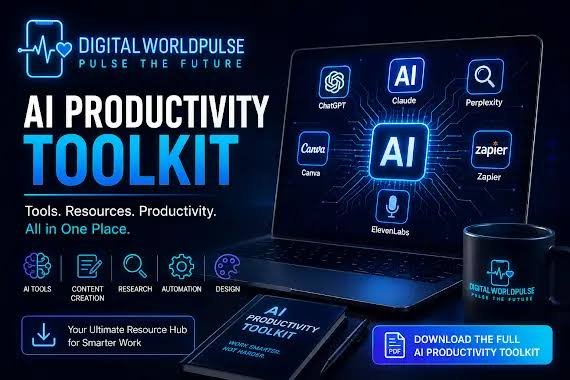
Work productivity has become one of the most important priorities for businesses, professionals, entrepreneurs, and remote teams. As organizations embrace digital transformation, employees are expected to accomplish more while maintaining quality, collaboration, and innovation. At the same time, advancements in artificial intelligence (AI), cloud computing, automation, and collaboration platforms are changing how work gets done.
Today’s most productive workplaces are no longer defined by long hours or constant multitasking. Instead, success increasingly depends on using technology intelligently, streamlining repetitive processes, making data-driven decisions, and creating environments that support focus, flexibility, and employee well-being.
Whether you’re managing a business, working remotely, freelancing, leading a team, or pursuing a career in technology, understanding modern productivity strategies can help you maximize efficiency without sacrificing work quality or personal balance.
This comprehensive guide explores the latest work productivity trends, emerging technologies, proven techniques, workplace challenges, and predictions shaping the future of productive work.
What Is Work Productivity?
Work productivity refers to the ability to complete tasks efficiently while maintaining high-quality results. It is often measured by the relationship between the resources used—such as time, effort, and cost—and the value or output produced.
Productivity isn’t simply about working faster. It also involves:
- Better planning
- Effective communication
- Smart decision-making
- Efficient workflows
- Continuous improvement
- Technology adoption
- Collaboration
- Sustainable work habits
Why Work Productivity Matters
Improving productivity benefits both individuals and organizations.
For Employees
- Better time management
- Reduced stress
- Increased career growth
- Improved job satisfaction
- Better work-life balance
- Higher quality work
For Businesses
- Increased profitability
- Faster project delivery
- Lower operational costs
- Better customer service
- Improved innovation
- Higher employee engagement
The Evolution of Workplace Productivity
Over the past decade, productivity has shifted from traditional office-based work to digitally connected environments.
Major changes include:
- Remote work
- Hybrid work
- Cloud computing
- Artificial intelligence
- Workflow automation
- Digital collaboration
- Flexible schedules
- Data-driven decision-making
Technology now enables employees to work from almost anywhere while staying connected to their teams.
Artificial Intelligence and Productivity
AI is becoming one of the biggest drivers of workplace productivity.
Common AI applications include:
- Drafting emails
- Summarizing documents
- Meeting transcription
- Data analysis
- Customer support automation
- Code assistance
- Content creation
- Research support
Rather than replacing employees, AI often serves as a productivity assistant that reduces repetitive work and speeds up routine tasks.
Automation in the Workplace
Automation allows organizations to eliminate repetitive manual work.
Examples include:
- Invoice processing
- Employee onboarding
- Marketing campaigns
- Inventory updates
- Data entry
- Customer notifications
- Workflow approvals
- Report generation
Automation reduces human error while allowing employees to focus on higher-value responsibilities.
Cloud Computing
Cloud technology enables teams to work together regardless of location.
Benefits include:
- Real-time collaboration
- Secure file sharing
- Automatic backups
- Device synchronization
- Remote accessibility
- Business continuity
Cloud platforms have become the foundation of modern digital workplaces.
Digital Collaboration Tools
Collaboration software improves communication across distributed teams.
Common features include:
- Instant messaging
- Video conferencing
- Shared workspaces
- Task management
- File collaboration
- Project tracking
- Team calendars
Strong communication reduces delays and improves project coordination.
Time Management Techniques
Effective time management remains one of the most valuable productivity skills.
Popular methods include:
Time Blocking
Assign dedicated periods to specific tasks to reduce distractions and improve focus.
Priority Planning
Focus first on work that delivers the greatest value or has the highest urgency.
Task Batching
Group similar tasks together, such as responding to emails or reviewing reports, to reduce context switching.
Goal Setting
Break large projects into smaller, measurable objectives with realistic deadlines.
Reducing Workplace Distractions
Common productivity challenges include:
- Excessive notifications
- Frequent meetings
- Constant multitasking
- Unclear priorities
- Information overload
- Digital interruptions
Organizations can improve focus by encouraging meeting discipline, communication guidelines, and uninterrupted work periods.
Hybrid and Remote Work
Flexible work arrangements continue to shape productivity.
Benefits include:
- Greater flexibility
- Reduced commuting
- Access to global talent
- Improved employee satisfaction for many workers
Challenges may include:
- Communication barriers
- Time zone differences
- Team coordination
- Maintaining workplace culture
Clear expectations and effective collaboration tools help address these challenges.
Employee Well-Being and Productivity
Healthy employees are often more engaged and productive.
Organizations increasingly invest in:
- Mental health resources
- Flexible schedules
- Wellness initiatives
- Ergonomic workspaces
- Professional development
- Regular feedback
Supporting employee well-being contributes to long-term organizational success.
Data-Driven Productivity
Analytics help organizations understand:
- Project performance
- Workflow efficiency
- Resource utilization
- Team collaboration
- Customer satisfaction
- Business outcomes
Productivity metrics should focus on meaningful outcomes rather than simply measuring activity.
Knowledge Management
Efficient organizations make information easy to find and share.
Knowledge management includes:
- Internal documentation
- Standard operating procedures
- Shared knowledge bases
- Searchable resources
- Employee training materials
Well-organized information reduces duplicated effort and accelerates onboarding.
Cybersecurity and Productivity
Secure systems help prevent disruptions caused by cyber threats.
Best practices include:
- Multi-Factor Authentication (MFA)
- Strong password policies
- Regular software updates
- Security awareness training
- Secure cloud access
- Data backup strategies
A secure digital environment supports uninterrupted productivity.
AI-Powered Productivity Tools
Modern AI tools assist with:
- Writing and editing
- Coding assistance
- Data visualization
- Meeting summaries
- Translation
- Scheduling
- Workflow recommendations
- Customer support
Users should review AI-generated outputs for accuracy, especially when they inform important business decisions.
Common Productivity Challenges
Organizations may face:
Burnout
Sustained overwork can reduce performance, creativity, and employee satisfaction.
Information Overload
Too much information can slow decision-making and reduce focus.
Inefficient Processes
Outdated workflows often waste time and resources.
Skill Gaps
Employees need ongoing training to adapt to new technologies and changing job requirements.
Poor Communication
Miscommunication can delay projects, increase costs, and reduce team effectiveness.
Best Practices for Improving Productivity
Organizations and professionals can improve productivity by:
- Setting clear goals and priorities.
- Automating repetitive tasks where appropriate.
- Encouraging focused work sessions.
- Investing in employee development.
- Reducing unnecessary meetings.
- Using collaboration tools effectively.
- Reviewing workflows regularly.
- Promoting healthy work habits.
- Measuring outcomes instead of hours worked.
- Continuously improving processes.
Future Productivity Trends
AI as a Digital Assistant
AI will increasingly help with planning, research, content creation, scheduling, and decision support while leaving strategic thinking and final decisions to people.
Smarter Automation
Automation will become more intelligent, connecting multiple business systems to streamline end-to-end workflows.
Personalized Work Experiences
AI may adapt digital workspaces based on individual preferences, roles, and work patterns while respecting privacy and organizational policies.
Skills-Based Organizations
Businesses are expected to place greater emphasis on demonstrated skills and continuous learning rather than relying solely on traditional qualifications.
Outcome-Focused Performance
Organizations are increasingly evaluating employees based on results, collaboration, innovation, and customer impact instead of time spent online.
Work Productivity Checklist
Use this checklist to improve workplace efficiency:
- ✅ Define daily and weekly priorities.
- ✅ Break large projects into manageable tasks.
- ✅ Automate repetitive work where possible.
- ✅ Minimize unnecessary notifications.
- ✅ Schedule dedicated focus time.
- ✅ Use collaboration tools consistently.
- ✅ Keep documentation organized.
- ✅ Take regular breaks to maintain focus.
- ✅ Continue learning new digital skills.
- ✅ Review and improve workflows regularly.
Conclusion
Work productivity is evolving alongside advances in artificial intelligence, automation, cloud computing, and digital collaboration. The most successful professionals and organizations are those that combine modern technology with thoughtful planning, effective communication, and a commitment to continuous improvement.
Rather than encouraging employees to simply work harder, today’s productivity strategies focus on helping people work smarter. AI can reduce repetitive tasks, automation can streamline business processes, and flexible work models can improve employee satisfaction when implemented effectively. At the same time, organizations must continue to prioritize cybersecurity, well-being, skill development, and ethical technology use.
As the workplace continues to change, productivity will increasingly be measured by meaningful outcomes, innovation, collaboration, and adaptability. Individuals who embrace lifelong learning and businesses that invest in both people and technology will be well-positioned to thrive in the future of work.
Frequently Asked Questions (FAQs)
1. What is work productivity?
Work productivity is the ability to complete tasks efficiently while maintaining quality and achieving desired outcomes with the effective use of time, skills, and resources.
2. How does AI improve workplace productivity?
AI can automate repetitive tasks, summarize information, assist with writing and coding, support data analysis, and improve decision-making, allowing employees to focus on higher-value work.
3. Is remote work more productive than office work?
Productivity varies by organization, role, and individual. Many businesses find that flexible work arrangements can improve productivity when supported by clear communication, effective collaboration tools, and well-defined expectations.
4. What are the biggest barriers to productivity?
Common challenges include poor communication, excessive meetings, digital distractions, inefficient processes, information overload, burnout, and insufficient training.
5. How can businesses increase productivity?
Businesses can improve productivity by setting clear goals, streamlining workflows, investing in employee development, adopting appropriate technologies, encouraging collaboration, and measuring meaningful outcomes.