

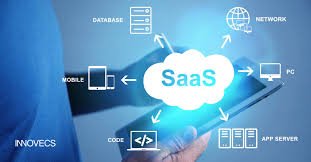
Software-as-a-Service (SaaS) has fundamentally changed how businesses operate, collaborate, and scale. Gone are the days when organizations had to purchase expensive software licenses, maintain physical servers, and rely on large IT teams to keep systems running. Today, cloud-based SaaS solutions provide businesses with flexible, scalable, and cost-effective access to powerful software that can be deployed in minutes and accessed from anywhere in the world.
The SaaS industry has experienced explosive growth over the last decade, and in 2026, it continues to be one of the fastest-growing segments of the technology market. From customer relationship management (CRM) and project management platforms to marketing automation, cybersecurity, accounting, communication, and artificial intelligence tools, SaaS solutions are helping organizations streamline operations and improve efficiency like never before.
What makes SaaS particularly attractive is its accessibility. Small businesses can leverage the same powerful tools that large enterprises use, allowing them to compete more effectively in increasingly digital markets. Modern SaaS platforms are also integrating advanced technologies such as Artificial Intelligence (AI), machine learning, predictive analytics, and workflow automation, creating smarter and more adaptive business environments.
However, with thousands of software products available, selecting the right SaaS solution can be challenging. Businesses must consider factors such as functionality, ease of use, security, integrations, scalability, customer support, and pricing. The wrong choice can lead to wasted resources, operational inefficiencies, and user frustration, while the right platform can significantly improve productivity and drive business growth.
In this comprehensive review, we examine some of the leading Software and SaaS platforms of 2026, compare their strengths and weaknesses, and help businesses identify the best solutions for their unique needs.
🚀 What Is SaaS?
Software-as-a-Service (SaaS) is a cloud-based software delivery model where users access applications through the internet rather than installing software locally on their devices.
Key Characteristics of SaaS
- Cloud-hosted infrastructure
- Subscription-based pricing
- Automatic updates
- Remote accessibility
- Scalable resources
- Easy integration with other tools
This model has become the preferred choice for organizations seeking flexibility and efficiency.
📈 Why Businesses Prefer SaaS Solutions
The adoption of SaaS platforms continues to grow because they offer significant advantages over traditional software.
Benefits Include:
✅ Lower upfront costs
✅ Faster deployment
✅ Improved collaboration
✅ Reduced maintenance
✅ Automatic feature updates
✅ Global accessibility
✅ Enhanced scalability
These benefits make SaaS ideal for businesses of all sizes.
🏆 Best CRM Software Reviews
Customer Relationship Management (CRM) software remains one of the most important SaaS categories.
⭐ HubSpot CRM
HubSpot continues to be a favorite among startups and growing businesses.
Key Features
- Contact management
- Sales pipeline tracking
- Email marketing integration
- Customer support tools
- Reporting dashboards
Pros
✅ Easy to use
✅ Generous free plan
✅ Excellent marketing features
Cons
❌ Premium plans can become expensive as businesses grow
Best For
Small businesses, startups, and marketing teams.
Rating
⭐⭐⭐⭐⭐ (4.8/5)
⭐ Salesforce
Salesforce remains the enterprise CRM leader.
Key Features
- Advanced automation
- AI-powered analytics
- Extensive customization
- Enterprise-grade scalability
Pros
✅ Powerful functionality
✅ Large integration ecosystem
Cons
❌ Complex implementation
❌ Higher pricing structure
Best For
Large organizations and enterprises.
Rating
⭐⭐⭐⭐⭐ (4.7/5)
📋 Best Project Management Software
Effective project management improves productivity and accountability.
⭐ ClickUp
ClickUp has become one of the most comprehensive productivity platforms available.
Features
- Task management
- Goal tracking
- Documentation
- Team collaboration
Pros
✅ Feature-rich environment
✅ Affordable pricing
✅ Highly customizable
Cons
❌ Can feel overwhelming for new users
Best For
Remote teams and fast-growing businesses.
Rating
⭐⭐⭐⭐⭐ (4.8/5)
⭐ Asana
Asana focuses on simplicity and collaboration.
Features
- Project planning
- Workflow management
- Team communication
- Progress tracking
Pros
✅ Clean interface
✅ Easy onboarding process
Cons
❌ Advanced features require premium plans
Best For
Marketing and operations teams.
Rating
⭐⭐⭐⭐⭐ (4.6/5)
🤖 AI Productivity Software Reviews
Artificial Intelligence is rapidly becoming a standard feature in modern SaaS applications.
⭐ ChatGPT
One of the most versatile AI productivity tools available today.
Features
- Content generation
- Research assistance
- Coding support
- Business automation
- Workflow enhancement
Pros
✅ Highly flexible
✅ Supports multiple use cases
✅ Significant productivity gains
Cons
❌ Outputs require occasional verification
Best For
Businesses, professionals, students, and creators.
Rating
⭐⭐⭐⭐⭐ (4.9/5)
⭐ Notion AI
A productivity platform enhanced by AI capabilities.
Features
- Knowledge management
- AI writing assistance
- Team collaboration
- Task organization
Pros
✅ Combines productivity and AI
✅ Strong collaboration tools
Cons
❌ Advanced workflows may require setup time
Rating
⭐⭐⭐⭐⭐ (4.7/5)
📧 Marketing Automation Platforms
Marketing automation software helps businesses generate and nurture leads.
⭐ ActiveCampaign
A leading solution for email marketing and automation.
Features
- Customer journeys
- Email automation
- CRM integration
- Audience segmentation
Pros
✅ Advanced automation workflows
✅ Strong personalization capabilities
Cons
❌ Learning curve for beginners
Rating
⭐⭐⭐⭐⭐ (4.7/5)
⭐ Mailchimp
One of the most recognized email marketing platforms.
Features
- Email campaigns
- Audience management
- Marketing analytics
- Automation workflows
Pros
✅ User-friendly design
✅ Suitable for beginners
Cons
❌ Costs increase with subscriber growth
Rating
⭐⭐⭐⭐ (4.4/5)
💰 Accounting & Financial SaaS Reviews
Managing finances effectively is crucial for business success.
⭐ QuickBooks Online
A leading cloud accounting solution.
Features
- Bookkeeping
- Expense tracking
- Financial reporting
- Invoicing
Pros
✅ Industry-standard platform
✅ Comprehensive accounting tools
Cons
❌ Premium features add extra costs
Rating
⭐⭐⭐⭐⭐ (4.8/5)
⭐ Xero
A modern accounting platform designed for growing businesses.
Features
- Financial reporting
- Payroll integration
- Automated reconciliation
- Invoicing
Pros
✅ User-friendly interface
✅ Excellent automation capabilities
Cons
❌ Limited support availability in some regions
Rating
⭐⭐⭐⭐⭐ (4.6/5)
💬 Customer Support SaaS Reviews
Customer service software directly impacts customer satisfaction.
⭐ Zendesk
A powerful customer support platform.
Features
- Ticket management
- Live chat
- AI-powered support
- Knowledge bases
Pros
✅ Enterprise-ready functionality
✅ Highly scalable
Cons
❌ Higher-tier plans can be expensive
Rating
⭐⭐⭐⭐⭐ (4.7/5)
⭐ Freshdesk
An affordable alternative for customer support management.
Features
- Ticketing system
- Automation tools
- Reporting dashboards
- Omnichannel support
Pros
✅ Easy deployment
✅ Competitive pricing
Cons
❌ Fewer enterprise-level features
Rating
⭐⭐⭐⭐⭐ (4.6/5)
🔒 Cybersecurity SaaS Reviews
Security remains a top priority for modern organizations.
⭐ CrowdStrike Falcon
A leading endpoint protection platform.
Features
- Threat detection
- AI-powered analysis
- Endpoint security
- Incident response
Pros
✅ Outstanding threat protection
✅ Cloud-native architecture
Cons
❌ Premium pricing
Rating
⭐⭐⭐⭐⭐ (4.9/5)
⭐ 1Password
A trusted password management solution.
Features
- Secure credential storage
- Password sharing
- Multi-device support
Pros
✅ Strong encryption
✅ Excellent user experience
Cons
❌ No permanent free plan
Rating
⭐⭐⭐⭐⭐ (4.8/5)
📊 Business Intelligence & Analytics Platforms
Data-driven decision-making is critical for business growth.
⭐ Microsoft Power BI
A powerful analytics and visualization platform.
Features
- Interactive dashboards
- Predictive analytics
- Business reporting
- Data visualization
Pros
✅ Affordable pricing
✅ Strong Microsoft ecosystem integration
Cons
❌ Advanced functionality requires expertise
Rating
⭐⭐⭐⭐⭐ (4.8/5)
⭐ Tableau
A leader in data visualization and analytics.
Features
- Interactive reports
- Advanced analytics
- Data storytelling
Pros
✅ Exceptional visualization capabilities
Cons
❌ Higher pricing compared to alternatives
Rating
⭐⭐⭐⭐⭐ (4.7/5)
📈 Top SaaS Trends in 2026
The SaaS market continues to evolve rapidly.
🤖 AI-Powered Software
Artificial Intelligence is becoming a standard feature across platforms.
🔄 Hyper-Automation
Businesses are automating increasingly complex workflows.
☁️ Cloud-Native Infrastructure
Organizations continue migrating to cloud-first environments.
🔐 Enhanced Security
Security capabilities are becoming more advanced and integrated.
📊 Predictive Analytics
Software increasingly provides actionable insights and forecasting.
🏆 Best SaaS Platforms by Category
| Category | Winner |
|---|---|
| CRM | HubSpot CRM |
| Enterprise CRM | Salesforce |
| Project Management | ClickUp |
| AI Productivity | ChatGPT |
| Marketing Automation | ActiveCampaign |
| Accounting | QuickBooks Online |
| Customer Support | Zendesk |
| Cybersecurity | CrowdStrike Falcon |
| Analytics | Microsoft Power BI |
⚠️ Factors to Consider Before Choosing SaaS Software
Before investing in any platform, consider:
Ease of Use
Will employees adopt the software easily?
Scalability
Can it grow with your business?
Integrations
Does it connect with existing systems?
Security
Are your data and users protected?
Customer Support
Is reliable assistance available?
Cost
Evaluate long-term subscription expenses.
🔮 The Future of SaaS Software
Future SaaS platforms will likely include:
- Autonomous AI assistants
- Advanced workflow automation
- Personalized user experiences
- Stronger cybersecurity capabilities
- Real-time predictive analytics
The next generation of software will become increasingly intelligent and proactive.
🏁 Final Verdict
Software and SaaS platforms have become essential components of modern business operations. Whether managing customer relationships, organizing projects, automating marketing campaigns, analyzing data, or protecting digital assets, the right SaaS solution can dramatically improve productivity and efficiency.
The best platforms are those that align with your organization’s specific needs, budget, and long-term goals. While no single tool is perfect for every business, investing in scalable, secure, and well-supported software can create a strong foundation for growth and innovation.
As AI, automation, cloud computing, and analytics continue to evolve, SaaS solutions will become even more powerful. Businesses that embrace these technologies early will be better positioned to compete, adapt, and thrive in the digital economy.


