Software has become an essential part of modern life and business. From communication and project management to accounting, marketing, cybersecurity, artificial intelligence, and customer support, software tools help people complete tasks that would otherwise require significant time and resources.
One of the biggest changes in the software industry has been the growth of Software as a Service (SaaS). Instead of purchasing software once and installing it permanently on a computer, users can access many modern applications through the internet and pay through subscriptions or usage-based plans.
With thousands of software products available, choosing the right solution can be difficult. A tool may have impressive features but still be a poor fit for a particular business or individual.
This guide explains how Software & SaaS reviews work, what to look for when evaluating software, how to compare competing platforms, and how to determine whether a software product provides genuine value.
What Is Software?
Software is a collection of programs and instructions that tells a computer or device what to do.
Software can include:
- Desktop applications
- Mobile applications
- Web applications
- Business platforms
- Operating systems
- Developer tools
- Security applications
- Productivity software
- Creative applications
- Artificial intelligence tools
Software can be installed locally on a device or accessed through the internet.
What Is SaaS?
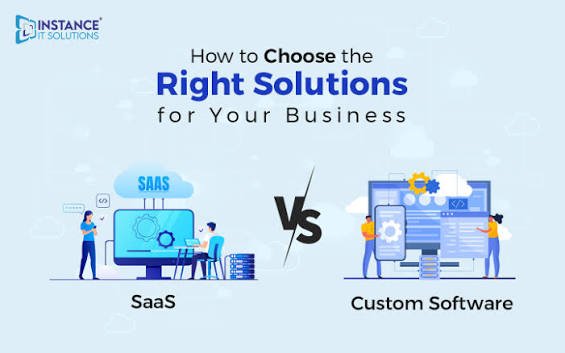
SaaS, or Software as a Service, is a software delivery model in which users access applications over the internet.
Instead of installing and maintaining the entire application locally, the software provider generally manages the infrastructure, updates, maintenance, and availability.
Common SaaS characteristics include:
- Cloud-based access
- Subscription pricing
- Automatic updates
- Web or mobile access
- Account-based authentication
- Online data storage
- Third-party integrations
For example, a business might use a cloud-based CRM instead of installing a CRM server inside its office.
Software vs SaaS
Software is the broad category, while SaaS is one way software can be delivered.
A traditional desktop application might be:
Download → Install → Use locally
A SaaS application might be:
Create account → Log in → Use through the internet
Some products combine both approaches by offering web applications alongside desktop or mobile versions.
Why Software & SaaS Reviews Matter
Choosing software can involve more than comparing feature lists.
Two platforms may offer similar functionality but provide very different experiences.
A useful review can help users understand:
- What the software does
- Who it is designed for
- Important features
- Ease of use
- Performance
- Pricing
- Integrations
- Security
- Privacy
- Customer support
- Scalability
- Limitations
- Overall use cases
A good software review should help readers determine whether a product fits their specific requirements rather than simply declaring that one product is universally better.
What Makes a Good Software Review?
A reliable software review should evaluate the product from multiple perspectives.
1. Features
Start by examining the features that matter to the intended user.
For a project-management platform, this could include:
- Task management
- Team collaboration
- Calendar views
- File sharing
- Notifications
- Reporting
- Automation
- Time tracking
For a CRM, important features might include:
- Contact management
- Lead management
- Sales pipelines
- Email integration
- Reporting
- Workflow automation
- Customer communication
Features should be evaluated based on usefulness rather than quantity.
A platform with 100 features is not necessarily better for a user who only needs 10.
2. Ease of Use
Software should make work easier rather than create unnecessary complexity.
A review should consider:
- Interface design
- Navigation
- Setup process
- Learning curve
- Documentation
- User onboarding
- Mobile experience
An advanced platform can still be useful if its complexity provides meaningful capabilities.
3. Performance
Performance can significantly affect productivity.
Consider:
- Loading speed
- Reliability
- Response times
- Downtime
- Performance under heavy usage
- Mobile performance
For cloud software, internet connectivity can also influence the user experience.
4. Pricing
Price is one of the most important factors when evaluating SaaS.
Software pricing can include:
- Free plans
- Free trials
- Monthly subscriptions
- Annual subscriptions
- Per-user pricing
- Usage-based pricing
- Feature-based plans
- Enterprise pricing
A review should examine what each plan actually includes.
A low starting price can become expensive as a business adds users, storage, automation, or premium features.
5. Integrations
Modern businesses rarely use one application.
A company may use:
CRM + Email + Accounting + Marketing + Project Management + Analytics
Integrations allow these systems to communicate.
Important integration options may include:
- Google Workspace
- Microsoft 365
- CRM platforms
- Accounting software
- Payment systems
- Marketing platforms
- Automation tools
- Communication applications
- APIs
- Webhooks
Strong integration capabilities can make software much more useful within an existing technology stack.
6. Security
Security should be considered before adopting business software.
Important questions include:
- How is data protected?
- Is encryption used?
- Does the platform support multi-factor authentication?
- What access controls are available?
- How are user permissions managed?
- Does the provider provide security documentation?
- How are security incidents handled?
Businesses should pay particular attention to security when software handles customer information, financial data, employee records, or confidential documents.
7. Privacy
Privacy is another important part of a software evaluation.
Review the provider’s privacy policies and determine:
- What information is collected
- Why it is collected
- How it is stored
- Who can access it
- Whether information is shared with third parties
- How users can manage or delete their data
Privacy requirements can differ depending on the industry, location, and type of information being processed.
8. Customer Support
Even well-designed software can occasionally cause problems.
Support options may include:
- Email support
- Live chat
- Phone support
- Help centers
- Knowledge bases
- Community forums
- Video tutorials
- Dedicated account managers
Enterprise customers may also need service-level agreements and dedicated technical support.
Major Categories of Software and SaaS
Software covers a huge range of use cases.
Productivity Software
Productivity applications help individuals and teams organize and complete work.
Examples include:
- Note-taking applications
- Document editors
- Task managers
- Calendar tools
- File storage
- Collaboration platforms
Project Management Software
Project-management platforms help teams organize work.
Common capabilities include:
- Tasks
- Projects
- Deadlines
- Assignments
- Team communication
- Time tracking
- Reports
- Workflow automation
CRM Software
Customer relationship management software helps businesses manage customer and sales information.
Common features include:
- Contact management
- Lead tracking
- Sales pipelines
- Customer communication
- Follow-ups
- Sales reporting
- Marketing integration
Accounting and Finance Software
Businesses use accounting software for:
- Invoicing
- Expenses
- Bookkeeping
- Payroll
- Financial reporting
- Tax preparation
- Cash-flow management
Marketing Software
Marketing SaaS can help with:
- Email marketing
- SEO
- Social media
- Advertising
- Content management
- Analytics
- Lead generation
- Marketing automation
Design and Creative Software
Creative professionals may use software for:
- Graphic design
- Video editing
- Photography
- Animation
- UI/UX design
- Audio production
Cybersecurity Software
Security software can include:
- Antivirus
- Endpoint protection
- Password managers
- VPNs
- Identity management
- Security monitoring
- Vulnerability management
AI Software
Artificial intelligence has introduced another major software category.
AI tools can support:
- Writing
- Research
- Coding
- Data analysis
- Image generation
- Video creation
- Customer support
- Automation
- Translation
How to Compare Two SaaS Products
When comparing software, avoid focusing on one feature.
Instead, create a comparison framework.
| Factor | Product A | Product B |
|---|---|---|
| Core features | Evaluate | Evaluate |
| Ease of use | Evaluate | Evaluate |
| Pricing | Evaluate | Evaluate |
| Integrations | Evaluate | Evaluate |
| Security | Evaluate | Evaluate |
| Privacy | Evaluate | Evaluate |
| Support | Evaluate | Evaluate |
| Scalability | Evaluate | Evaluate |
| Mobile experience | Evaluate | Evaluate |
This makes it easier to identify which differences actually matter to your situation.
The objective is not necessarily to find the software with the largest feature list. It is to determine which platform aligns with your requirements.
Free Software vs Paid Software
Many SaaS platforms provide free plans or trials.
Free Plans
Free plans can be useful for:
- Individuals
- Students
- Testing
- Small projects
- Early-stage businesses
However, free plans often have limitations involving:
- Users
- Storage
- Features
- Automation
- Support
- Integrations
Paid Plans
Paid plans generally provide additional functionality.
They may include:
- Advanced features
- Higher limits
- More users
- Better support
- Advanced security
- Reporting
- Automation
- Administration controls
A free plan is useful for testing, but businesses should evaluate whether it can support long-term requirements.
Freemium SaaS Explained
Freemium software provides a basic version for free while charging for additional capabilities.
For example:
Free → Basic features
Premium → Advanced features
This model allows users to test the product before paying.
However, always check the limits of the free plan before building important workflows around it.
SaaS Trials: What Should You Test?
A trial period should be treated as an evaluation period rather than simply an opportunity to explore the interface.
Test the tasks you actually need to perform.
For example:
Test Setup
How quickly can you configure the platform?
Test Daily Workflow
Can you complete normal tasks efficiently?
Test Integrations
Can the software connect with the tools you already use?
Test Collaboration
Can your team communicate and share information effectively?
Test Reporting
Can you generate the information required to make decisions?
Test Support
Can you find answers when you encounter problems?
Understanding the Total Cost of SaaS
The advertised monthly price is not always the total cost.
Consider:
- Number of users
- Premium features
- Storage
- API usage
- Automation limits
- Additional integrations
- Implementation
- Training
- Migration
- Support
- Add-ons
For example, a product priced at $20 per user per month may have a very different cost for a 5-person team compared with a 100-person organization.
Always calculate the expected cost based on your actual usage.
SaaS Scalability
Software should support your organization’s current needs without creating unnecessary problems as you grow.
Consider:
- Maximum users
- Storage limits
- Performance
- Permissions
- Administrative controls
- Automation
- Reporting
- API capabilities
- Pricing at higher usage levels
A tool that works for a freelancer may not be suitable for a company with hundreds of employees.
APIs and SaaS Integrations
APIs are becoming increasingly important in modern software.
An API allows different applications to exchange information.
For example:
Website → API → CRM
or:
CRM → API → Marketing platform
APIs allow businesses to build more connected software ecosystems.
For advanced users, also consider:
- API documentation
- Authentication methods
- Rate limits
- Webhooks
- Data formats
- Developer support
AI and the Future of SaaS
Artificial intelligence is becoming increasingly integrated into SaaS applications.
AI features can include:
- Automated summaries
- Content generation
- Data analysis
- Recommendations
- Search
- Classification
- Workflow automation
- Natural-language interfaces
- AI assistants
However, the presence of an AI feature does not automatically make a product more useful.
When reviewing AI-powered software, consider:
- Accuracy
- Reliability
- Transparency
- Data handling
- Privacy
- Cost
- Human oversight
- Whether the feature solves a real problem
AI Agents Inside SaaS
Some modern SaaS platforms are moving beyond simple AI assistants toward agent-based functionality.
An AI agent may be able to:
- Understand a request.
- Access relevant information.
- Use available tools.
- Perform multiple steps.
- Return a result.
For example, instead of manually creating a report, a user might ask an AI-enabled business platform to analyze sales data and prepare a summary.
As these capabilities develop, software reviews will increasingly need to evaluate not only traditional features but also the reliability and control of AI functionality.
Software for Small Businesses
Small businesses often need software that provides useful functionality without unnecessary complexity.
Important considerations include:
- Affordable pricing
- Ease of setup
- Automation
- Integrations
- Security
- Scalability
- Customer support
A small business may not need an enterprise platform with hundreds of advanced features.
Choosing software based on actual business requirements can help avoid unnecessary costs.
Software for Freelancers
Freelancers may need a smaller technology stack.
Common categories include:
- Project management
- Invoicing
- Accounting
- Communication
- File storage
- CRM
- Scheduling
- Time tracking
- AI productivity tools
The goal should be to create a simple system that supports the freelancer’s workflow without creating excessive administrative work.
Software for Remote Teams
Remote teams rely heavily on cloud-based applications.
Important capabilities include:
- Team communication
- Video meetings
- File sharing
- Project management
- Documentation
- Collaboration
- Access management
- Security
Remote organizations should also consider how easily employees can access software from different devices and locations.
Software Tool Overload
One common technology problem is using too many applications.
A company might have separate platforms for:
- Communication
- Projects
- Documents
- CRM
- Marketing
- Finance
- Customer support
- Analytics
- Automation
If these systems are poorly integrated, employees may spend more time moving information between tools than actually using them.
Before adding another SaaS product, ask:
Does this solve a real problem?
Does an existing tool already provide this functionality?
Can the new software integrate with our current systems?
How to Build a SaaS Technology Stack
A technology stack is the collection of software and services an organization uses.
A simple business stack might contain:
Communication → Project Management → CRM → Accounting → Analytics → Automation
When choosing tools, look for compatibility.
A strong technology stack should ideally:
- Reduce duplicated work
- Share information effectively
- Protect sensitive data
- Be easy to maintain
- Scale with the business
- Provide useful reporting
Common Mistakes When Choosing Software
Choosing Based Only on Price
The cheapest software may not provide the capabilities you actually need.
Choosing Based on Feature Count
More features can create unnecessary complexity.
Ignoring Integrations
A tool that cannot communicate with your existing systems may create additional manual work.
Ignoring Security
Security should be considered before sensitive information is uploaded.
Not Testing the Product
Use a trial or demonstration whenever possible.
Forgetting Future Needs
Consider how your requirements may change as the organization grows.
Buying Too Many Tools
More software does not automatically mean greater productivity.
A Practical Software Evaluation Checklist
Before adopting a software product, ask:
Functionality
- Does it solve the problem?
- Does it provide the necessary features?
Usability
- Is it easy to learn?
- Can users navigate it efficiently?
Pricing
- What is the real monthly or annual cost?
- Are there additional fees?
Integration
- Does it connect to existing applications?
- Is an API available?
Security
- How is information protected?
- What access controls exist?
Privacy
- What data does the provider collect?
- How is the data used?
Support
- What support options are available?
- Is documentation adequate?
Scalability
- Can the platform grow with the organization?
Reliability
- Is the service dependable?
- What happens when something goes wrong?
How to Write a Reliable SaaS Review
If you are creating software reviews for a technology website, consistency is important.
A useful review structure can include:
- Overview
- Who the software is for
- Main features
- Ease of use
- Performance
- Integrations
- Security and privacy
- Pricing
- Advantages
- Limitations
- Best use cases
- Alternatives
- Final assessment
This structure helps readers quickly find the information they need.
Avoid making claims about software based solely on marketing materials. Whenever possible, distinguish between advertised capabilities, observed behavior, documented specifications, and user experiences.
How to Choose the Right Software for Your Needs
The best software depends on the user’s requirements.
Start by defining the problem.
For example:
“We need to manage customer leads more efficiently.”
Then define the requirements:
- Contact management
- Lead tracking
- Email integration
- Reporting
- Automation
- Team access
Next, identify potential software solutions and test them against the requirements.
This approach is generally more useful than searching for a product simply because it is popular.
The Future of Software & SaaS
The SaaS industry continues to evolve.
Several trends are likely to shape the future of software.
AI-Native Software
Some applications will be designed around AI rather than adding AI as an optional feature.
Natural-Language Interfaces
Users may increasingly interact with software through natural language instead of navigating complex menus.
Automation
More SaaS applications will automate repetitive processes.
Connected Software Ecosystems
Applications will increasingly communicate through APIs and integrations.
Usage-Based Pricing
Some products may move beyond traditional per-user subscriptions toward pricing based on usage or consumption.
Better Security
As SaaS becomes more important to businesses, identity management, access controls, encryption, monitoring, and data protection will remain critical.
More Personalized Software
AI can make software experiences more adaptive by helping users discover information, automate workflows, and receive context-specific recommendations.
Final Thoughts
Software and SaaS products can dramatically improve productivity, collaboration, communication, and business operations. But choosing the right tool requires more than looking at a feature list or the lowest subscription price.
A useful software evaluation should consider functionality, usability, performance, pricing, integrations, security, privacy, support, and scalability.
The right product is ultimately the one that fits the user’s actual requirements and works effectively within the existing technology environment.
Whether you are an individual, freelancer, startup, small business, or large organization, taking the time to evaluate software carefully can help reduce unnecessary costs and create a more efficient digital workflow.
Frequently Asked Questions
What does SaaS mean?
SaaS stands for Software as a Service. It is a software delivery model where users typically access applications through the internet rather than installing and maintaining the entire application locally.
What should I look for in a SaaS review?
Look at features, ease of use, performance, pricing, integrations, security, privacy, customer support, scalability, and the software’s limitations.
Is SaaS better than traditional software?
Neither model is universally better. The appropriate option depends on the user’s requirements, security needs, budget, infrastructure, and workflow.
Are free SaaS tools worth using?
Free SaaS tools can be useful for individuals and small projects. However, users should understand limitations involving features, storage, users, integrations, support, and usage.
How do I compare SaaS products?
Create a list of your requirements and compare each product based on functionality, usability, pricing, integrations, security, support, and scalability.
Why are SaaS integrations important?
Integrations allow different applications to exchange information, reducing manual data entry and helping businesses create connected workflows.
What is a SaaS subscription?
A SaaS subscription is a recurring payment that provides access to software. Depending on the provider, billing may occur monthly or annually.
Can small businesses use SaaS?
Yes. SaaS products are widely used by small businesses for areas such as CRM, accounting, marketing, project management, communication, cybersecurity, and productivity.
What is an API in SaaS?
An API allows software applications to communicate and exchange information. APIs can be used to connect SaaS products with websites, databases, automation platforms, and other applications.
How is AI changing SaaS?
AI is being integrated into software for tasks such as content generation, data analysis, search, summarization, recommendations, customer support, and workflow automation.