

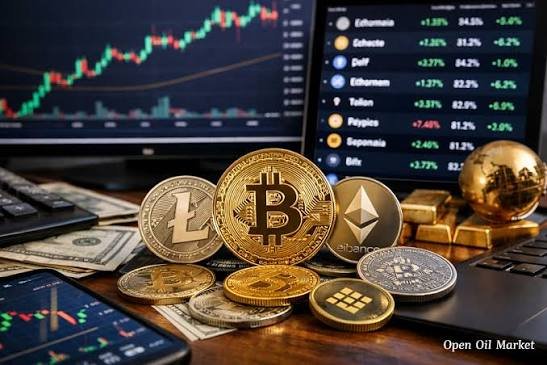
Cryptocurrency has evolved into one of the most dynamic financial markets in the world. What began with Bitcoin as a decentralized digital currency has expanded into a vast ecosystem that includes thousands of coins, blockchain networks, decentralized finance (DeFi) platforms, NFTs, stablecoins, and tokenized assets. As a result, crypto trading and investing have become major areas of interest for both beginners and experienced investors.
Unlike traditional markets, the cryptocurrency market operates 24/7, moves quickly, and is heavily influenced by technology trends, global economic conditions, investor sentiment, regulation, and innovation. This creates both exciting opportunities and significant risks. Some investors are drawn to the possibility of high returns, while others are attracted by the long-term potential of blockchain technology and digital ownership.
In 2026, crypto trading and investing are more sophisticated than ever. Investors now have access to advanced trading platforms, AI-powered analytics, automated bots, portfolio tracking tools, and risk management systems. At the same time, market volatility, scams, regulatory uncertainty, and emotional decision-making remain common challenges.
Whether you are a beginner looking to understand the basics or an experienced investor seeking to refine your strategy, this guide will help you navigate the world of crypto trading and investing with greater confidence.
🚀 What Is Crypto Trading?
Crypto trading refers to buying and selling cryptocurrencies in order to profit from price movements.
Traders typically focus on:
- Short-term price changes
- Market trends
- Technical indicators
- News events
- Market sentiment
Crypto traders may hold assets for minutes, hours, days, or weeks depending on their strategy.
💰 What Is Crypto Investing?
Crypto investing is a longer-term approach that focuses on holding digital assets over time in expectation of future growth.
Investors usually look at:
- Project fundamentals
- Blockchain utility
- Adoption potential
- Team credibility
- Long-term market trends
Investing in crypto often requires patience and a strong understanding of risk.
📊 Trading vs Investing: What’s the Difference?
| Aspect | Trading | Investing |
|---|---|---|
| Time Horizon | Short-term | Long-term |
| Focus | Price movement | Project growth |
| Risk Level | High | Moderate to high |
| Strategy | Technical analysis | Fundamental analysis |
| Frequency | Frequent transactions | Fewer transactions |
Both approaches can be profitable, but they require different mindsets and strategies.
📈 Popular Crypto Trading Strategies
There are several common trading approaches used in the crypto market.
1. Day Trading
Day traders open and close positions within the same day.
Features:
- Fast decision-making
- Frequent trades
- Relies heavily on charts and indicators
Best For:
Experienced traders who can monitor markets closely.
2. Swing Trading
Swing traders hold positions for several days or weeks.
Features:
- Captures medium-term trends
- Less time-intensive than day trading
- Uses both technical and fundamental signals
Best For:
Traders who want active exposure without constant monitoring.
3. Scalping
Scalping involves making many small trades to profit from minor price changes.
Features:
- Very short-term
- Requires fast execution
- Often uses leverage
Best For:
Advanced traders with strong discipline and experience.
4. Position Trading
Position traders hold assets for months or even years.
Features:
- Focus on long-term market cycles
- Less affected by short-term volatility
- Often based on macro trends
Best For:
Investors who prefer a patient, strategic approach.
🧠 Key Principles of Crypto Investing
Successful crypto investing starts with a clear strategy.
Research Before You Buy
Before investing in any coin or token, examine:
- The project’s purpose
- Team and development history
- Token utility
- Community support
- Market cap and liquidity
Diversify Your Portfolio
Never put all your capital into a single asset.
A diversified portfolio may include:
- Large-cap cryptocurrencies
- Emerging altcoins
- Stablecoins
- DeFi tokens
- Long-term holdings
Focus on Risk Management
Crypto markets are volatile.
Risk management tools include:
- Position sizing
- Stop-loss orders
- Take-profit targets
- Capital allocation limits
Avoid Emotional Decisions
Fear and greed are among the biggest causes of losses.
Successful investors remain disciplined even during market swings.
🔍 Technical Analysis in Crypto Trading
Technical analysis uses charts and indicators to predict price movements.
Common Tools
Moving Averages
Help identify trends.
RSI (Relative Strength Index)
Shows whether an asset may be overbought or oversold.
MACD
Helps identify momentum changes.
Support and Resistance
Key price levels where assets may bounce or reverse.
Volume Analysis
Shows strength behind price movements.
Technical analysis is widely used by active traders.
📚 Fundamental Analysis in Crypto Investing
Fundamental analysis focuses on the underlying value of a project.
Factors to examine include:
- Use case
- Technology
- Tokenomics
- Development activity
- Partnerships
- Adoption potential
- Governance model
A strong project may perform well over time even if the price is temporarily weak.
🪙 Bitcoin and Ethereum: Core Assets for Many Investors
Many crypto portfolios begin with the two largest assets.
Bitcoin
Bitcoin is often viewed as digital gold.
Why Investors Like It:
- Scarcity
- Brand recognition
- Long-term store of value thesis
Ethereum
Ethereum powers smart contracts and decentralized applications.
Why Investors Like It:
- Strong ecosystem
- Broad developer adoption
- Web3 and DeFi utility
Many investors see Bitcoin and Ethereum as foundational assets.
🌍 Altcoins and Emerging Opportunities
Altcoins can provide higher growth potential, but they also carry more risk.
Popular altcoin categories include:
- Layer-1 blockchain projects
- Layer-2 scaling solutions
- DeFi tokens
- AI crypto projects
- Gaming tokens
- Infrastructure projects
Investors should be careful when chasing hype-driven tokens.
⚠️ Risks in Crypto Trading and Investing
Crypto offers opportunities, but it also involves major risks.
Market Volatility
Prices can rise or fall dramatically in short periods.
Scams and Fraud
Fake projects, phishing attacks, and rug pulls remain common.
Regulatory Risk
Government policies can influence market behavior.
Liquidity Risk
Some tokens may be difficult to buy or sell quickly.
Emotional Trading
Fear of missing out and panic selling can hurt returns.
🛡️ Security Tips for Crypto Investors
Security should always be a top priority.
Best Practices:
- Use hardware wallets for long-term storage
- Enable two-factor authentication
- Avoid suspicious links and fake apps
- Never share private keys or seed phrases
- Use trusted exchanges and wallets
- Keep software updated
Protecting your assets is just as important as growing them.
🤖 AI and Crypto Trading
Artificial Intelligence is changing how traders operate.
AI tools can help with:
- Market analysis
- Pattern recognition
- Sentiment tracking
- Automated trading
- Portfolio optimization
AI-powered tools can improve efficiency, but they should not replace sound judgment.
📊 Crypto Portfolio Management Tips
A strong portfolio strategy can improve long-term results.
Balance Growth and Safety
A portfolio may include:
- Core long-term holdings
- Mid-risk growth assets
- Stablecoins for flexibility
- Cash reserves for opportunities
Rebalance Periodically
Review your portfolio regularly to keep your allocation aligned with your goals.
Track Performance
Monitor:
- Entry prices
- Unrealized gains or losses
- Market cycles
- Risk exposure
🔮 Future Trends in Crypto Investing
The crypto investment landscape continues to evolve.
Institutional Participation
More funds and companies are entering the market.
AI-Powered Investment Tools
Smarter analytics and automation will become more common.
Tokenized Assets
Real-world assets may increasingly be represented on blockchain networks.
DeFi Expansion
Decentralized financial services will continue growing.
Stronger Regulation
Clearer rules may improve trust and attract broader adoption.
📋 Beginner Checklist for Crypto Trading & Investing
Before starting, make sure you:
✅ Learn the basics of blockchain and crypto
✅ Choose a reliable exchange
✅ Use secure wallets
✅ Start with small amounts
✅ Research every asset carefully
✅ Set clear goals
✅ Manage your risk
✅ Avoid emotional decisions
✅ Protect your private keys
✅ Stay updated on market trends
🏁 Final Thoughts
Crypto trading and investing can be rewarding, but they require patience, discipline, research, and strong risk management. The market offers numerous opportunities, from short-term trading to long-term wealth building, but success depends on understanding how the space works and avoiding common mistakes.
As the crypto ecosystem continues to mature in 2026, investors have access to better tools, stronger infrastructure, and more advanced strategies than ever before. However, volatility, security risks, and market uncertainty remain real challenges. That is why education and preparation are essential.
Whether you are trading actively or investing for the long term, the key is to make informed decisions, protect your assets, and stay focused on your strategy. In crypto, the most successful participants are usually not the ones who move the fastest, but the ones who think the smartest.