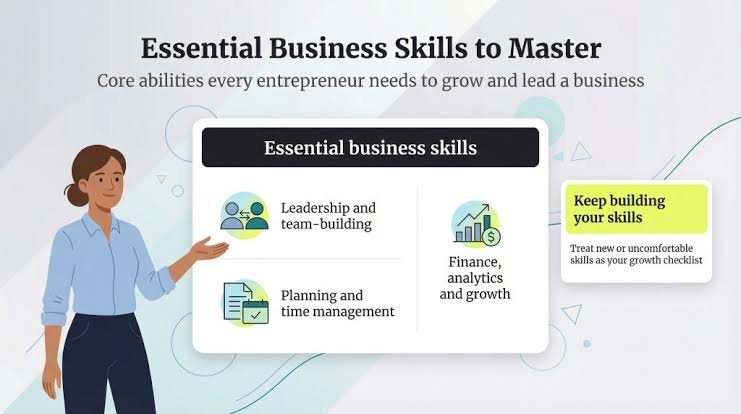
Entrepreneurship and leadership are two of the most powerful forces driving innovation, economic growth, and societal progress. Behind every successful startup, thriving company, and groundbreaking innovation is an entrepreneur with a vision and a leader capable of turning that vision into reality.
In today’s rapidly evolving business landscape, entrepreneurship is no longer limited to launching startups. It encompasses identifying opportunities, solving problems, creating value, and adapting to change. Likewise, leadership extends beyond managing employees—it involves inspiring teams, fostering innovation, making strategic decisions, and guiding organizations through uncertainty.
As technology, globalization, and consumer expectations continue to reshape industries, the need for effective entrepreneurs and strong leaders has never been greater. This comprehensive guide explores the principles of entrepreneurship and leadership, essential skills for success, common challenges, and emerging trends that will shape the future of business.
What Is Entrepreneurship?
Entrepreneurship is the process of identifying opportunities, creating solutions, and building ventures that deliver value to customers and society.
Entrepreneurs are individuals who take initiative, assume calculated risks, and develop innovative products, services, or business models.
Key Characteristics of Entrepreneurship
- Innovation
- Risk-taking
- Problem-solving
- Opportunity recognition
- Resourcefulness
- Adaptability
Entrepreneurs often create new markets, disrupt existing industries, and contribute significantly to economic development.
What Is Leadership?
Leadership is the ability to influence, inspire, and guide individuals or groups toward achieving shared goals.
While managers focus on organizing and controlling processes, leaders focus on vision, motivation, and long-term direction.
Core Leadership Functions
- Setting goals
- Making decisions
- Inspiring teams
- Building culture
- Driving change
- Resolving conflicts
Strong leadership is essential for transforming entrepreneurial ideas into sustainable businesses.
The Relationship Between Entrepreneurship and Leadership
Entrepreneurship and leadership are closely connected.
Entrepreneurs often begin by creating a vision, while leadership enables them to execute that vision effectively.
Why Both Matter
An entrepreneur may have an innovative idea, but without leadership skills, scaling a business becomes difficult.
Similarly, a strong leader without entrepreneurial thinking may struggle to identify new opportunities and adapt to changing markets.
The most successful business founders combine entrepreneurial creativity with effective leadership capabilities.
The Entrepreneurial Mindset
A successful entrepreneur develops a mindset that supports innovation, resilience, and growth.
Opportunity Recognition
Entrepreneurs continuously look for:
- Market gaps
- Customer pain points
- Emerging trends
- Innovative solutions
Opportunities often arise where others see challenges.
Growth Thinking
Successful entrepreneurs view failures as learning experiences rather than permanent setbacks.
Benefits of a Growth Mindset
- Increased resilience
- Greater adaptability
- Continuous improvement
- Enhanced creativity
This mindset supports long-term success.
Risk Management
Entrepreneurship involves uncertainty, but successful entrepreneurs take calculated risks rather than reckless ones.
Key Practices
- Research opportunities
- Evaluate potential outcomes
- Develop contingency plans
- Monitor performance
Effective risk management improves decision-making.
Essential Leadership Skills for Entrepreneurs
Leadership skills often determine whether a business thrives or struggles.
Vision and Strategic Thinking
Great leaders provide clear direction.
Strategic Leadership Involves
- Defining long-term goals
- Identifying opportunities
- Allocating resources effectively
- Anticipating future challenges
A compelling vision motivates teams and attracts stakeholders.
Communication Skills
Communication is one of the most important leadership abilities.
Effective Communication Includes
- Clear messaging
- Active listening
- Transparency
- Constructive feedback
Strong communication builds trust and alignment within organizations.
Decision-Making
Entrepreneurs and leaders make countless decisions every day.
Good Decision-Making Requires
- Data analysis
- Critical thinking
- Risk assessment
- Confidence under pressure
Timely decisions often determine business success.
Emotional Intelligence
Emotional intelligence involves understanding and managing emotions effectively.
Components
- Self-awareness
- Empathy
- Relationship management
- Emotional regulation
Leaders with high emotional intelligence often build stronger teams and workplace cultures.
Adaptability
Business environments change rapidly.
Leaders must adapt to:
- Market shifts
- Economic changes
- Technological innovation
- Customer expectations
Adaptability helps organizations remain competitive.
Building a Successful Business
Entrepreneurship requires more than a great idea.
Several critical elements contribute to long-term success.
Identifying a Market Need
Successful businesses solve meaningful problems.
Questions Entrepreneurs Should Ask
- What challenge exists?
- Who experiences this problem?
- How significant is the issue?
- Can a better solution be developed?
Customer-focused solutions often have the greatest potential.
Developing a Business Model
A business model explains how a company creates and captures value.
Components
- Target audience
- Revenue streams
- Cost structure
- Value proposition
- Distribution channels
A sustainable business model supports long-term growth.
Creating a Strong Brand
Branding influences customer perception and loyalty.
Effective Branding Includes
- Consistent messaging
- Clear positioning
- Memorable identity
- Customer trust
Strong brands often enjoy competitive advantages.
Financial Management
Financial discipline is essential for entrepreneurs.
Key Areas
- Budgeting
- Cash flow management
- Expense control
- Revenue forecasting
Poor financial management remains one of the leading causes of business failure.
Team Building and Leadership
No entrepreneur succeeds alone.
Building a capable team is critical.
Characteristics of High-Performing Teams
- Shared goals
- Accountability
- Collaboration
- Diverse skills
- Mutual respect
Great leaders empower employees and create environments where people can excel.
Leadership Styles in Business
Different situations require different leadership approaches.
Transformational Leadership
Transformational leaders inspire change and innovation.
Benefits
- High motivation
- Strong engagement
- Creative problem-solving
This style is common among successful entrepreneurs.
Servant Leadership
Servant leaders prioritize the needs of their teams.
Focus Areas
- Employee development
- Collaboration
- Support
Organizations often benefit from stronger workplace cultures.
Democratic Leadership
Democratic leaders encourage participation in decision-making.
Advantages
- Diverse perspectives
- Increased engagement
- Better collaboration
This approach works well in knowledge-based organizations.
Situational Leadership
Situational leaders adapt their style based on circumstances and team needs.
Flexibility often improves effectiveness.
Innovation and Entrepreneurship
Innovation remains at the heart of entrepreneurship.
Why Innovation Matters
Innovation helps businesses:
- Differentiate from competitors
- Solve customer problems
- Increase efficiency
- Create new markets
Organizations that fail to innovate risk becoming obsolete.
Types of Innovation
Product Innovation
Developing new or improved products.
Process Innovation
Improving operational efficiency.
Business Model Innovation
Creating new ways to generate value and revenue.
Technological Innovation
Leveraging emerging technologies to improve performance.
Challenges Entrepreneurs Face
Entrepreneurship is rewarding but often challenging.
Limited Resources
Many startups operate with limited:
- Capital
- Staff
- Infrastructure
Resourcefulness becomes a valuable skill.
Competition
Businesses must differentiate themselves in crowded markets.
Strategies
- Unique value propositions
- Superior customer experiences
- Innovation
Uncertainty
Market conditions can change unexpectedly.
Entrepreneurs must remain flexible and responsive.
Burnout
Business ownership often involves long hours and significant stress.
Prevention Strategies
- Delegate responsibilities
- Prioritize well-being
- Maintain work-life balance
Sustainable performance requires personal resilience.
The Role of Technology in Entrepreneurship
Technology has transformed how businesses are created and managed.
Digital Marketing
Entrepreneurs can reach global audiences through:
- Search engines
- Social media
- Email campaigns
- Content marketing
Digital channels provide cost-effective growth opportunities.
E-Commerce
Online commerce enables businesses to sell products worldwide.
Benefits
- Expanded reach
- Lower overhead costs
- Flexible operations
Artificial Intelligence
AI helps entrepreneurs:
- Automate tasks
- Analyze data
- Improve customer experiences
- Enhance decision-making
AI adoption continues accelerating across industries.
Cloud Computing
Cloud technologies provide scalable infrastructure without significant upfront investment.
This improves agility and reduces operational costs.
Leadership in the Digital Age
Modern leaders face unique challenges and opportunities.
Leading Remote Teams
Remote and hybrid work models require:
- Effective communication
- Trust-building
- Digital collaboration
Successful leaders adapt to new workplace dynamics.
Data-Driven Decision-Making
Leaders increasingly rely on analytics to guide strategy.
Benefits
- Improved accuracy
- Better forecasting
- Enhanced performance measurement
Continuous Learning
Rapid technological change requires ongoing education and skill development.
Leaders who prioritize learning remain better prepared for future challenges.
Future Trends in Entrepreneurship and Leadership
Several emerging trends will shape the future business landscape.
AI-Powered Businesses
Artificial intelligence will continue transforming operations, customer experiences, and business models.
Purpose-Driven Entrepreneurship
Consumers increasingly support organizations aligned with social and environmental values.
Global Digital Opportunities
Technology allows entrepreneurs to reach international markets more easily than ever before.
Automation and Productivity
Advanced automation will help businesses scale efficiently.
Human-Centered Leadership
Empathy, inclusivity, and employee well-being will become even more important leadership priorities.
Best Practices for Aspiring Entrepreneurs and Leaders
To improve your chances of success:
Focus on Solving Real Problems
Businesses thrive when they create meaningful value.
Develop Strong Communication Skills
Clear communication improves leadership effectiveness.
Embrace Innovation
Continuously seek better ways to serve customers.
Build Strong Relationships
Networks and partnerships often create valuable opportunities.
Stay Adaptable
Flexibility helps businesses navigate uncertainty.
Invest in Personal Growth
Leadership development is an ongoing process.
Conclusion
Entrepreneurship and leadership are essential drivers of innovation, business success, and economic growth. While entrepreneurship focuses on identifying opportunities and creating value, leadership ensures that organizations can execute effectively, inspire teams, and navigate challenges.
In today’s dynamic business environment, successful entrepreneurs must combine vision, resilience, adaptability, and strategic thinking with strong leadership capabilities. From building high-performing teams and managing finances to embracing technology and fostering innovation, the path to success requires continuous learning and improvement.
As industries continue evolving through digital transformation, artificial intelligence, and globalization, the demand for entrepreneurial leaders will only increase. Those who cultivate the right mindset, skills, and values will be best positioned to create impactful businesses and lead organizations into the future.
Entrepreneurship begins with an idea, but leadership turns that idea into lasting success.