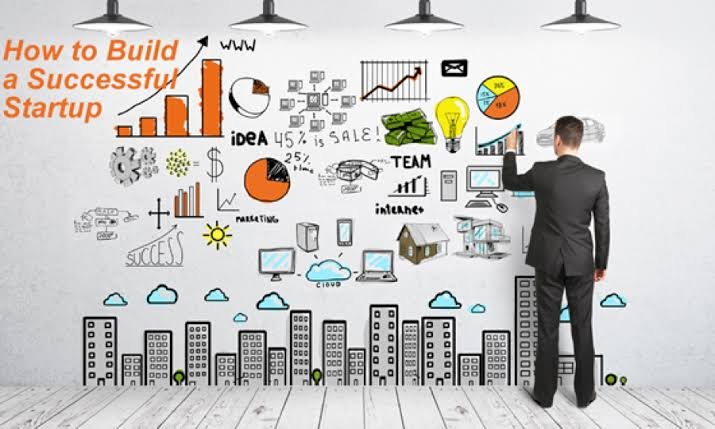
Technology startups have become some of the most influential drivers of innovation and economic growth. From artificial intelligence and cloud computing to fintech, health technology, cybersecurity, and e-commerce, startups continue to transform industries by solving real-world problems with innovative digital solutions.
Unlike traditional businesses, tech startups are typically built with scalability in mind. They aim to create products or services that can reach thousands—or even millions—of users without increasing costs at the same rate. This ability to scale quickly has made technology startups attractive to entrepreneurs, investors, and customers around the world.
However, launching a startup is about far more than having a great idea. Founders must validate customer demand, build a reliable product, attract talented teams, secure funding when appropriate, establish efficient operations, and adapt continuously to changing market conditions.
This comprehensive guide explains what tech startups are, how they operate, the stages of startup growth, funding options, common challenges, and practical strategies for building a successful technology company in today’s competitive environment.
What Is a Tech Startup?
A tech startup is a newly established business that develops technology-based products or services designed to solve specific customer problems while offering strong potential for growth and scalability.
Tech startups often focus on:
- Artificial Intelligence (AI)
- Software as a Service (SaaS)
- FinTech
- HealthTech
- EdTech
- Cybersecurity
- E-commerce
- Cloud Computing
- Blockchain
- Internet of Things (IoT)
- Robotics
- Clean Technology
Their goal is to create innovative solutions that can expand efficiently as demand increases.
Characteristics of Successful Tech Startups
Although every startup is different, successful technology companies often share several characteristics:
- Solve meaningful customer problems
- Build scalable business models
- Embrace innovation
- Adapt quickly to market changes
- Use technology efficiently
- Make data-driven decisions
- Prioritize customer experience
- Continuously improve products
Why Tech Startups Matter
Technology startups contribute significantly to economic development by:
- Creating new jobs
- Driving innovation
- Improving productivity
- Increasing competition
- Encouraging digital transformation
- Developing emerging technologies
- Solving complex business and consumer challenges
Many of today’s largest technology companies began as small startups with limited resources.
Choosing the Right Startup Idea
Every successful startup begins with identifying a genuine problem worth solving.
When evaluating ideas, ask:
- What problem exists?
- Who experiences this problem?
- How are people solving it today?
- Can technology improve the solution?
- Is there sufficient market demand?
- Can the business scale?
Focus on solving real customer pain points rather than simply building new technology.
Conducting Market Research
Understanding the market reduces risk.
Research should include:
- Target audience
- Competitor analysis
- Industry trends
- Customer interviews
- Pricing expectations
- Regulatory considerations
- Market size
Effective market research validates assumptions before significant investments are made.
Defining Your Target Audience
Not every product is for everyone.
Identify:
- Customer demographics
- Business size (if B2B)
- Industry
- Geographic market
- User behaviors
- Purchasing motivations
- Common challenges
A clearly defined audience improves product development and marketing effectiveness.
Building a Minimum Viable Product (MVP)
An MVP is the simplest version of a product that solves a core customer problem.
The purpose of an MVP is to:
- Validate assumptions
- Gather user feedback
- Test product-market fit
- Reduce development costs
- Learn quickly
Avoid adding unnecessary features during the early stages.
Finding Product-Market Fit
Product-market fit occurs when customers consistently find value in your solution.
Indicators include:
- Growing user adoption
- Positive customer feedback
- Strong retention
- Organic referrals
- Increasing demand
Achieving product-market fit is one of the most important milestones for any startup.
Choosing a Business Model
Common startup business models include:
Software as a Service (SaaS)
Customers pay recurring subscription fees.
Marketplace
The platform connects buyers and sellers while earning commissions or service fees.
E-commerce
Revenue comes from selling products directly to customers online.
Freemium
Basic services are offered free, while premium features require payment.
Subscription
Customers pay on a recurring basis for continued access to products or services.
Enterprise Licensing
Organizations purchase software licenses or long-term service agreements.
Choose a model that aligns with customer needs and supports sustainable growth.
Building the Right Team
A startup’s success depends heavily on its people.
Key roles may include:
- Founder or CEO
- Product Manager
- Software Developers
- UX/UI Designers
- Marketing Specialists
- Sales Professionals
- Customer Success Managers
- Finance and Operations
Early hires should be adaptable, collaborative, and aligned with the company’s vision.
Startup Funding Options
Growing a startup often requires capital.
Common funding sources include:
- Personal savings (bootstrapping)
- Friends and family
- Angel investors
- Venture capital
- Accelerators
- Incubators
- Government grants
- Revenue from customers
- Crowdfunding
The right funding strategy depends on your business model, growth plans, and financial needs.
Creating a Strong Brand
Branding helps startups stand out in competitive markets.
A strong brand includes:
- Memorable name
- Professional logo
- Clear messaging
- Consistent visual identity
- Strong value proposition
- Positive customer experience
Trust and credibility are essential for long-term success.
Marketing Your Startup
A great product still needs visibility.
Effective marketing strategies include:
- Content marketing
- Search Engine Optimization (SEO)
- Email marketing
- Social media
- Paid advertising
- Partnerships
- Community engagement
- Public relations
Marketing should focus on educating customers and demonstrating value.
Customer Acquisition
Growing your customer base requires a repeatable acquisition strategy.
Popular channels include:
- Organic search
- Referral programs
- Paid search
- Social media
- Webinars
- Product demonstrations
- Industry events
Measure acquisition costs and customer lifetime value to optimize growth.
Measuring Startup Success
Key performance indicators (KPIs) help founders evaluate progress.
Common metrics include:
- Monthly Recurring Revenue (MRR)
- Annual Recurring Revenue (ARR)
- Customer Acquisition Cost (CAC)
- Customer Lifetime Value (LTV)
- Churn Rate
- Active Users
- Conversion Rate
- Revenue Growth
Tracking metrics supports informed decision-making.
Scaling a Tech Startup
Scaling involves increasing revenue and customer reach without proportionally increasing costs.
Successful scaling often requires:
- Process automation
- Cloud infrastructure
- Strong leadership
- Hiring strategically
- Customer support systems
- Performance monitoring
Growth should be sustainable and supported by reliable operations.
The Role of AI in Modern Startups
Artificial Intelligence is reshaping how startups build and operate.
AI can support:
- Customer service
- Data analysis
- Product recommendations
- Marketing automation
- Software development
- Business intelligence
- Fraud detection
- Workflow optimization
Founders should evaluate AI based on genuine business needs rather than trends alone.
Common Startup Challenges
Entrepreneurs frequently encounter obstacles such as:
Limited Funding
Managing cash flow carefully is essential during the early stages.
Competition
Differentiate through innovation, customer experience, or execution.
Hiring
Finding skilled professionals can be difficult, especially for early-stage companies.
Product Development
Balancing speed, quality, and customer feedback requires careful planning.
Regulatory Compliance
Startups must understand applicable laws related to privacy, taxes, employment, intellectual property, and industry-specific regulations.
Mistakes to Avoid
Many startups struggle because they:
- Build products without validating demand.
- Ignore customer feedback.
- Expand too quickly.
- Overspend before generating revenue.
- Hire too rapidly.
- Neglect cybersecurity.
- Fail to measure performance.
- Lose focus on their core mission.
Learning from these mistakes can improve long-term success.
Future Trends in Tech Startups
Several trends are shaping the startup ecosystem.
Artificial Intelligence
AI continues to create opportunities across healthcare, education, finance, cybersecurity, and enterprise software.
Climate Technology
Sustainability-focused startups are attracting increased attention from investors and governments.
Remote-First Companies
Digital collaboration enables startups to build distributed teams across multiple regions.
Vertical SaaS
Industry-specific software solutions are growing as businesses seek specialized tools.
Automation
Businesses increasingly demand products that reduce manual work and improve operational efficiency.
Best Practices for Startup Founders
Successful founders often:
- Focus on solving customer problems.
- Build products iteratively.
- Listen to user feedback.
- Make data-driven decisions.
- Maintain financial discipline.
- Invest in company culture.
- Adapt quickly to market changes.
- Continue learning and improving.
Tech Startup Launch Checklist
Before launching your startup:
- ✅ Validate your business idea.
- ✅ Research your market.
- ✅ Define your target audience.
- ✅ Build a minimum viable product.
- ✅ Test with early users.
- ✅ Create a strong brand identity.
- ✅ Develop a marketing strategy.
- ✅ Choose a sustainable business model.
- ✅ Monitor key performance metrics.
- ✅ Plan for future growth and scalability.
Conclusion
Building a successful tech startup requires much more than technical expertise or a groundbreaking idea. Long-term success comes from understanding customers, validating market demand, developing scalable solutions, assembling strong teams, and maintaining the flexibility to adapt as markets evolve.
While technology continues to create new opportunities, the most successful startups remain focused on solving real problems and delivering measurable value. By combining innovation with disciplined execution, thoughtful leadership, and continuous learning, entrepreneurs can build businesses that not only grow but also make a lasting impact.
Frequently Asked Questions (FAQs)
1. What is a tech startup?
A tech startup is a newly established company that develops technology-based products or services with the goal of solving customer problems and achieving scalable growth.
2. What is an MVP?
A Minimum Viable Product (MVP) is the simplest version of a product that delivers core value to users while allowing founders to gather feedback and validate market demand.
3. How do tech startups raise funding?
Startups may use bootstrapping, angel investment, venture capital, accelerators, incubators, crowdfunding, grants, or customer revenue, depending on their stage and business model.
4. Why is product-market fit important?
Product-market fit indicates that customers consistently value a product, making it easier to grow, retain users, and build a sustainable business.
5. What industries offer strong opportunities for tech startups?
Promising sectors include AI, SaaS, cybersecurity, fintech, health technology, education technology, climate technology, cloud computing, and automation.