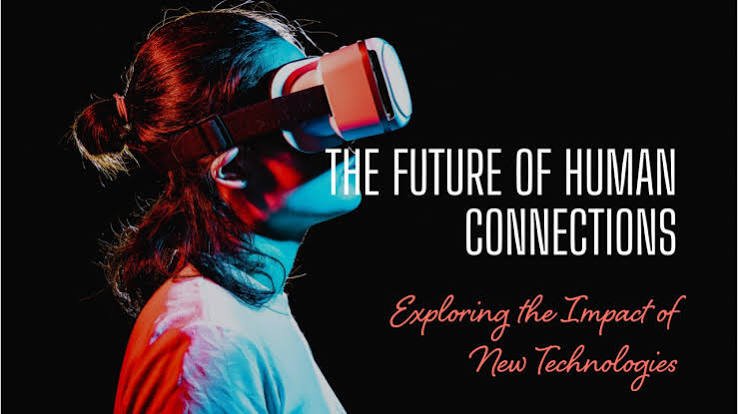
Technology has become one of the most influential forces shaping modern society. From smartphones and cloud computing to artificial intelligence, social media, and the Internet of Things (IoT), digital innovations affect how we communicate, learn, work, shop, receive healthcare, and participate in our communities.
Over the last two decades, technology has accelerated globalization, enabled remote work, expanded access to education, improved healthcare delivery, and created entirely new industries. At the same time, it has introduced important challenges related to privacy, misinformation, cybersecurity, digital inequality, mental well-being, and the future of employment.
The social impact of technology extends far beyond faster devices or better software. It influences relationships, culture, economic opportunity, public services, and civic participation. Understanding both the benefits and the risks is essential for individuals, businesses, educators, and policymakers seeking to build a future where technological progress supports human well-being.
This comprehensive guide explores how technology is transforming society, highlights key trends, examines current challenges, and offers predictions for the years ahead.
What Is the Social Impact of Technology?
The social impact of technology refers to the ways technological innovation changes how people live, interact, learn, work, and organize communities.
These effects can be:
- Positive
- Negative
- Short-term
- Long-term
- Direct
- Indirect
Technology influences nearly every aspect of modern life, making its social implications increasingly important.
Technology Has Changed Communication Forever
Digital communication has become faster, more accessible, and more global.
Today, people can:
- Send instant messages
- Participate in video meetings
- Collaborate across continents
- Share information in real time
- Build online communities
These tools have strengthened personal and professional connections while also changing expectations around availability and communication speed.
Social Media’s Influence on Society
Social media platforms have transformed how people consume news, build relationships, and express opinions.
Positive impacts include:
- Community building
- Knowledge sharing
- Business promotion
- Educational content
- Global collaboration
Challenges include:
- Misinformation
- Online harassment
- Algorithmic echo chambers
- Privacy concerns
- Excessive screen time
Responsible digital literacy is becoming increasingly important.
Artificial Intelligence in Everyday Life
AI is now integrated into many daily activities.
Examples include:
- Virtual assistants
- Language translation
- Recommendation systems
- Navigation apps
- Customer service
- Content creation tools
As AI becomes more capable, its influence on daily decision-making is expected to grow.
Education Is Becoming More Accessible
Technology has expanded educational opportunities around the world.
Modern learning includes:
- Online courses
- Virtual classrooms
- Interactive simulations
- Digital libraries
- Personalized learning
- Accessibility tools
Technology supports lifelong learning by making educational resources available to more people regardless of location.
The Evolution of Work
Technology continues to reshape workplaces across industries.
Common changes include:
- Remote work
- Hybrid collaboration
- Workflow automation
- Digital communication
- Cloud-based productivity tools
- AI-assisted workflows
Many organizations are redesigning jobs to combine human expertise with intelligent technologies.
Healthcare Transformation
Digital innovation has significantly improved healthcare delivery.
Examples include:
- Telemedicine
- Electronic health records
- AI-assisted diagnostics
- Wearable health devices
- Remote patient monitoring
- Health data analytics
Technology helps improve access while supporting more personalized care.
Digital Inclusion and the Digital Divide
Although technology creates opportunities, not everyone has equal access.
Barriers may include:
- Internet availability
- Device affordability
- Digital literacy
- Accessibility challenges
- Infrastructure limitations
Closing the digital divide remains an important goal for governments, businesses, and educational institutions.
Privacy in the Digital Age
People generate enormous amounts of personal data every day.
Information may include:
- Browsing activity
- Location data
- Purchase history
- Health information
- Communication records
Organizations are increasingly expected to implement transparent privacy practices and protect user information responsibly.
Cybersecurity and Public Trust
As society becomes more connected, cybersecurity grows increasingly important.
Security incidents can affect:
- Businesses
- Schools
- Hospitals
- Governments
- Financial institutions
- Individuals
Strong cybersecurity supports trust in digital services and helps protect essential infrastructure.
Technology and Mental Well-Being
Digital tools provide many benefits but may also influence mental well-being.
Potential benefits include:
- Social support
- Access to information
- Mental health resources
- Flexible work arrangements
Potential challenges include:
- Digital fatigue
- Information overload
- Social comparison
- Constant notifications
- Reduced work-life boundaries
Healthy technology habits are becoming an essential life skill.
Smart Cities and Connected Communities
Cities increasingly use technology to improve public services.
Applications include:
- Smart traffic management
- Energy efficiency
- Public transportation optimization
- Environmental monitoring
- Waste management
- Public safety systems
Smart infrastructure can improve quality of life while supporting sustainability.
Technology and Economic Opportunity
Digital innovation has created new industries and career paths.
Examples include:
- Software development
- Cybersecurity
- AI engineering
- Digital marketing
- Content creation
- Cloud computing
- E-commerce
Technology also enables entrepreneurship by lowering barriers to starting and growing businesses.
Accessibility Through Technology
Technology plays an important role in improving accessibility for people with disabilities.
Innovations include:
- Screen readers
- Voice recognition
- Live captioning
- Text-to-speech
- Speech-to-text
- Adaptive input devices
Inclusive design benefits a broad range of users.
Environmental Impact of Technology
Technology can both help and challenge environmental sustainability.
Positive contributions include:
- Renewable energy management
- Smart agriculture
- Energy-efficient buildings
- Climate research
- Supply chain optimization
Challenges include:
- Electronic waste
- Energy consumption
- Resource extraction
- Data center power demands
Sustainable technology development is becoming a growing priority.
Ethical Considerations
As technology advances, ethical questions become increasingly important.
Common topics include:
- AI fairness
- Algorithmic transparency
- Responsible data use
- Digital rights
- Human oversight
- Bias mitigation
Organizations increasingly incorporate ethical principles into technology development.
Government and Public Policy
Governments play a key role in shaping the responsible use of technology.
Areas of focus include:
- Data privacy
- AI governance
- Cybersecurity
- Consumer protection
- Digital accessibility
- Competition policy
Balanced regulation seeks to encourage innovation while protecting public interests.
Future Trends Shaping Society
Several emerging trends are expected to influence the social impact of technology over the coming decade.
AI Will Become More Integrated
Artificial intelligence is likely to become a standard feature across education, healthcare, business, entertainment, and public services.
Lifelong Digital Learning
As technology evolves rapidly, continuous education and digital skills development will become increasingly important for people of all ages.
Human-Centered Technology Design
Future innovations are expected to place greater emphasis on accessibility, transparency, privacy, and user well-being.
Smarter Public Services
Governments may increasingly adopt digital technologies to improve healthcare, transportation, education, and administrative services.
Responsible Innovation
Businesses are expected to focus more on ethical technology development, sustainability, and long-term societal impact.
How Individuals Can Adapt
To thrive in a technology-driven world:
- Develop digital literacy skills.
- Learn the basics of AI and cybersecurity.
- Protect personal information online.
- Verify information before sharing it.
- Maintain healthy screen-time habits.
- Continue learning new technologies.
- Build skills that complement automation, such as creativity, empathy, and critical thinking.
Best Practices for Organizations
Businesses can maximize technology’s positive social impact by:
- Prioritizing privacy and security.
- Designing accessible products.
- Investing in employee training.
- Using AI responsibly.
- Supporting digital inclusion initiatives.
- Measuring the social impact of technology projects.
- Promoting ethical innovation.
- Engaging transparently with customers and stakeholders.
Conclusion
Technology is transforming society at an unprecedented pace. It is reshaping communication, education, healthcare, work, commerce, and public services while creating new opportunities for innovation, collaboration, and economic growth.
At the same time, technological progress introduces important responsibilities. Issues such as privacy, cybersecurity, digital inclusion, ethical AI, sustainability, and mental well-being require thoughtful solutions that place people at the center of innovation.
The future of technology will not be determined solely by technical breakthroughs but also by how individuals, organizations, and governments choose to develop, regulate, and use these powerful tools. By embracing responsible innovation and fostering digital literacy, society can maximize technology’s benefits while reducing its potential risks.
Frequently Asked Questions (FAQs)
1. What is the social impact of technology?
The social impact of technology refers to the ways digital innovations influence communication, education, work, healthcare, relationships, economic opportunity, and society as a whole.
2. How has technology improved everyday life?
Technology has improved communication, expanded access to education, enabled remote work, enhanced healthcare, increased productivity, and created new opportunities for innovation and entrepreneurship.
3. What are some challenges created by technology?
Common challenges include privacy concerns, cybersecurity risks, misinformation, digital inequality, excessive screen time, electronic waste, and the need for continuous digital skills development.
4. How does AI affect society?
AI supports automation, healthcare, education, customer service, scientific research, and business operations. It also raises important questions about ethics, transparency, workforce adaptation, and responsible governance.
5. How can society prepare for future technological changes?
Individuals and organizations can prepare by improving digital literacy, protecting privacy, investing in lifelong learning, promoting ethical technology development, strengthening cybersecurity, and supporting inclusive access to digital resources.