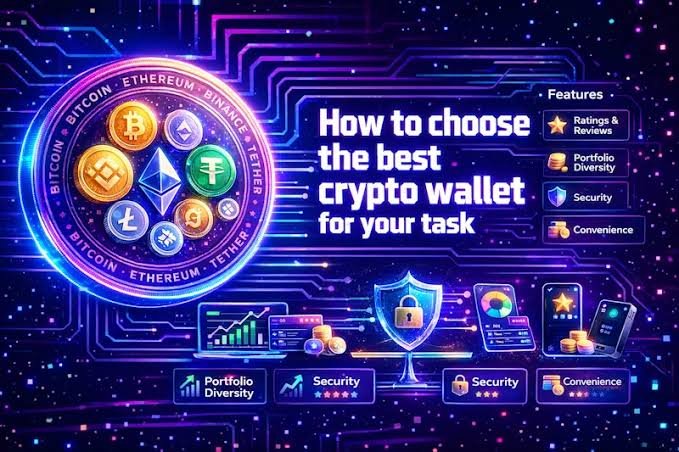
Cryptocurrency has transformed the way people think about money, digital ownership, and online transactions. Whether you’re planning to invest in Bitcoin, explore Ethereum-based applications, use decentralized finance (DeFi), collect NFTs, or simply learn about blockchain technology, one of the first things you’ll need is a cryptocurrency wallet.
A crypto wallet is much more than a place to “store coins.” It acts as a secure tool for managing your digital assets, verifying ownership through cryptographic keys, and interacting with blockchain networks. Choosing the right wallet and setting it up correctly is one of the most important steps in protecting your funds.
Unlike traditional bank accounts, cryptocurrency transactions are generally irreversible. If you lose access to your wallet or expose your recovery phrase, recovering your assets may not be possible. That is why understanding wallet security is just as important as learning how to buy or send cryptocurrency.
This comprehensive tutorial walks you through the entire wallet setup process—from choosing the right wallet type and securing your recovery phrase to receiving, sending, and managing digital assets safely.
What Is a Cryptocurrency Wallet?
A cryptocurrency wallet is software or hardware that allows you to manage the cryptographic keys associated with your digital assets on a blockchain.
Rather than storing coins directly, the wallet stores the credentials that let you:
- View your balances
- Send cryptocurrency
- Receive cryptocurrency
- Sign blockchain transactions
- Interact with decentralized applications (dApps)
- Manage multiple digital assets
The blockchain records ownership, while your wallet gives you access to it.
How Crypto Wallets Work
Every cryptocurrency wallet uses two important cryptographic keys.
Public Key
Your public key generates wallet addresses that you can safely share with others to receive cryptocurrency.
Think of it like an account number that allows people to send funds to you.
Private Key
Your private key proves ownership of your digital assets.
It should never be shared with anyone.
Anyone with your private key can potentially control your cryptocurrency.
What Is a Recovery Phrase?
Most wallets generate a recovery phrase (also called a seed phrase) during setup.
This is typically a sequence of 12, 18, or 24 randomly generated words.
The recovery phrase allows you to restore your wallet if:
- Your device is lost
- Your computer fails
- Your phone is replaced
- The wallet application is reinstalled
Protecting this phrase is one of the most important aspects of cryptocurrency security.
Types of Cryptocurrency Wallets
There are several wallet categories, each offering different balances between convenience and security.
Hot Wallets
Hot wallets remain connected to the internet.
Examples include:
- Mobile wallets
- Desktop wallets
- Browser extension wallets
- Web wallets
Advantages:
- Easy to use
- Quick transactions
- Convenient for everyday use
- Ideal for smaller balances
Disadvantages:
- Greater exposure to online threats
- Depend on device security
Cold Wallets
Cold wallets store cryptographic keys offline.
Examples include:
- Hardware wallets
- Air-gapped devices
- Paper backups (used with caution)
Advantages:
- Strong protection against online attacks
- Better suited for long-term storage
- Reduced exposure to malware
Disadvantages:
- Less convenient for frequent transactions
- Additional setup steps
Custodial vs. Non-Custodial Wallets
Custodial Wallets
A third-party service manages your private keys.
Benefits include:
- Easier account recovery
- Beginner-friendly experience
- Simplified user management
Trade-offs:
- You rely on the provider’s security and policies.
- You may have fewer controls over your assets.
Non-Custodial Wallets
You control your own private keys and recovery phrase.
Benefits include:
- Greater independence
- Enhanced privacy
- Full control of assets
Trade-offs:
- You are responsible for safeguarding your recovery phrase.
- Lost credentials may mean permanent loss of access.
Step 1: Define Your Goals
Before selecting a wallet, consider how you plan to use cryptocurrency.
Common purposes include:
- Long-term investing
- Everyday payments
- Exploring DeFi
- NFT collecting
- Learning blockchain technology
- Business transactions
Your intended use will influence which wallet type best fits your needs.
Step 2: Choose a Reputable Wallet
When evaluating wallets, look for:
- Strong security features
- Multi-factor authentication (where available)
- Active development and updates
- Positive reputation
- Open documentation
- Support for your preferred blockchain networks
Research carefully before installing any wallet software.
Step 3: Download from Official Sources
Only download wallet applications from:
- The developer’s official website
- Official app stores
- Verified distribution channels
Avoid downloading software from unknown websites or links shared through unsolicited messages.
Step 4: Create Your Wallet
Most wallet setup processes include:
- Installing the application.
- Creating a new wallet.
- Setting a strong password or PIN.
- Generating a recovery phrase.
- Confirming the recovery phrase.
Never rush through the setup process.
Step 5: Secure Your Recovery Phrase
Your recovery phrase is the key to your wallet.
Best practices include:
- Write it down carefully.
- Store it in a secure offline location.
- Consider multiple secure backups.
- Protect it from water, fire, and unauthorized access.
Never:
- Share it with anyone.
- Email it to yourself.
- Store it in unsecured cloud storage.
- Post it online.
- Enter it into unfamiliar websites.
Step 6: Enable Additional Security
Many wallets offer additional protection such as:
- Biometric authentication
- PIN codes
- Device encryption
- Auto-lock timers
- Multi-factor authentication (for supported services)
These features help protect access if your device is lost or stolen.
Step 7: Understand Wallet Addresses
Each cryptocurrency network uses its own address format.
Always ensure:
- The sender and receiver are using the correct blockchain.
- The address is copied accurately.
- You verify details before confirming transactions.
Sending assets to an incompatible network can result in permanent loss.
Receiving Cryptocurrency
Receiving crypto generally involves:
- Selecting the correct asset.
- Copying your wallet address.
- Sharing the address with the sender.
- Waiting for blockchain confirmations.
Double-check that the network selected by the sender matches your wallet.
Sending Cryptocurrency
Before sending funds:
- Verify the recipient’s address.
- Confirm the blockchain network.
- Review transaction fees.
- Double-check the amount.
- Confirm transaction details carefully.
Many users send a small test transaction before transferring larger amounts.
Understanding Transaction Fees
Blockchain transactions often require network fees.
Fees may vary depending on:
- Network congestion
- Blockchain design
- Transaction complexity
- Priority level
Higher fees may result in faster confirmation times on some networks.
Wallet Backups
Regular backups help prevent accidental loss.
Backup recommendations:
- Keep multiple secure copies.
- Store backups in separate safe locations.
- Review backups periodically.
- Ensure trusted family or estate planning arrangements where appropriate.
Protecting Yourself from Scams
Crypto scams remain common.
Be cautious of:
- Fake wallet apps
- Phishing websites
- Impersonation scams
- Fake customer support
- Giveaway scams
- Investment guarantees
- Recovery phrase requests
Legitimate wallet providers will never ask for your recovery phrase.
Using Wallets with DeFi and NFTs
Many wallets allow interaction with:
- Decentralized exchanges
- NFT marketplaces
- Blockchain games
- Web3 applications
- Staking platforms
Before connecting your wallet:
- Verify the website.
- Review requested permissions.
- Disconnect from services you no longer use.
- Monitor active wallet connections periodically.
Managing Multiple Wallets
Many experienced users separate assets into different wallets.
Examples include:
- Long-term holdings
- Everyday spending
- DeFi activities
- NFT collections
- Business transactions
Segmentation can improve organization and reduce overall risk.
Common Beginner Mistakes
Avoid these common errors:
- Losing the recovery phrase.
- Sharing private keys.
- Downloading fake wallet software.
- Ignoring software updates.
- Sending funds to the wrong network.
- Failing to verify recipient addresses.
- Using weak passwords.
- Keeping all assets in one location.
Future Trends in Crypto Wallets
The wallet experience continues to improve.
Smarter Wallet Interfaces
Future wallets are expected to provide simpler user experiences with improved guidance and clearer security warnings.
Better Security Features
Hardware-backed security, passkeys, and advanced authentication methods are becoming more common.
Improved Cross-Chain Support
Many wallets are expanding support for multiple blockchain ecosystems within a single application.
Greater Integration with Web3
Wallets are becoming central tools for interacting with decentralized applications, digital identity systems, tokenized assets, and blockchain-based services.
AI-Assisted Security
Artificial intelligence may increasingly help identify suspicious transactions, detect phishing attempts, and provide contextual security recommendations.
Crypto Wallet Security Checklist
Before storing digital assets, make sure you have completed these essential steps:
- ✅ Downloaded the wallet from an official source.
- ✅ Created a strong password or PIN.
- ✅ Recorded your recovery phrase offline.
- ✅ Stored backups securely.
- ✅ Enabled all available security features.
- ✅ Verified wallet addresses before transactions.
- ✅ Tested small transactions before large transfers.
- ✅ Kept wallet software updated.
- ✅ Learned to recognize common scams.
- ✅ Regularly reviewed wallet activity.
Conclusion
Setting up a cryptocurrency wallet is one of the most important steps in your blockchain journey. While the process is relatively straightforward, security should always be your highest priority. Protecting your recovery phrase, verifying transactions, using trusted software, and understanding how blockchain networks operate can significantly reduce the risk of losing your digital assets.
As cryptocurrency adoption continues to grow, wallets are becoming more user-friendly, secure, and integrated with decentralized applications. By following best practices and staying informed, you can confidently manage your digital assets while minimizing security risks.
Frequently Asked Questions (FAQs)
1. What is a cryptocurrency wallet?
A cryptocurrency wallet is software or hardware that securely manages the cryptographic keys used to access and control digital assets on a blockchain.
2. What is the difference between a hot wallet and a cold wallet?
A hot wallet is connected to the internet and offers convenience for everyday transactions, while a cold wallet stores keys offline and generally provides stronger protection for long-term storage.
3. What is a recovery phrase?
A recovery phrase is a series of randomly generated words that allows you to restore access to your wallet if your device is lost or damaged. It should be kept private and stored securely offline.
4. Can I recover my wallet if I lose my phone?
Yes, provided you still have your recovery phrase or another supported recovery method offered by your wallet. Without it, recovery may not be possible.
5. How can I keep my cryptocurrency wallet secure?
Use a strong password or PIN, store your recovery phrase offline, enable additional security features, download software only from official sources, verify transaction details carefully, and stay alert to phishing attempts and scams.