

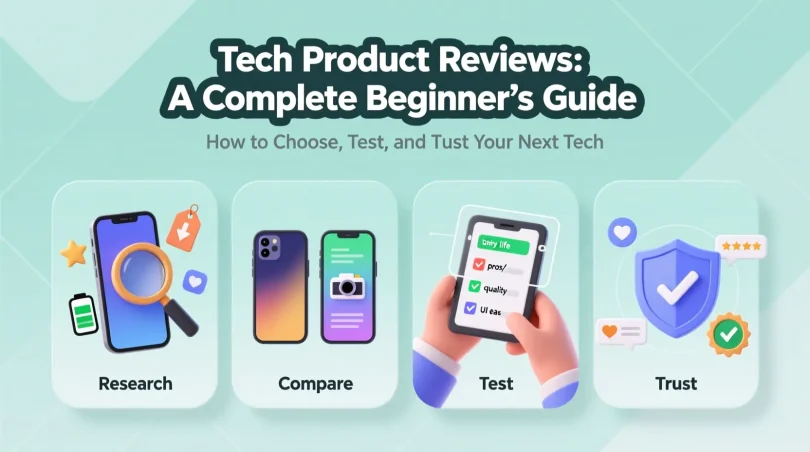
Technology is evolving faster than ever. Every year, consumers and businesses are faced with countless choices—from smartphones and laptops to cloud software, AI tools, gaming devices, and smart home products. With so many options available, selecting the right technology can feel overwhelming.
This is where comparison guides become valuable. Rather than focusing on a single product review, comparison guides evaluate multiple products side-by-side, helping users understand differences in features, performance, pricing, usability, and long-term value.
In this comprehensive guide, we’ll explore how to compare technology products effectively, what factors matter most, and how to avoid common mistakes when making purchasing decisions.
Why Comparison Guides Matter
Many buyers make decisions based solely on marketing claims or price. However, the cheapest option isn’t always the best value, and the most expensive product isn’t always the most suitable.
Comparison guides help users:
- Understand key differences
- Evaluate real-world performance
- Compare pricing and value
- Identify strengths and weaknesses
- Make informed purchasing decisions
- Avoid costly mistakes
Whether you’re purchasing a laptop for work, a smartphone for photography, or software for your business, structured comparisons simplify the decision-making process.
Key Factors to Compare in Technology Products
Before comparing any technology products, it’s important to establish evaluation criteria.
1. Performance
Performance often serves as the most important comparison factor.
Hardware Products
For devices such as laptops, desktops, and smartphones, performance depends on:
- Processor speed
- RAM capacity
- Storage technology
- Graphics performance
- Battery efficiency
Software Products
For applications and SaaS platforms, performance includes:
- Loading speed
- Reliability
- Uptime
- Scalability
- Response time
Users should prioritize performance requirements based on intended use.
2. Features and Functionality
Features determine what users can accomplish with a product.
Questions to consider include:
- Does it solve the intended problem?
- Are advanced features included?
- Does it support integrations?
- Is customization available?
- Are updates released regularly?
A feature-rich product may appear attractive, but unnecessary features can complicate usability and increase costs.
3. User Experience
Even powerful technology becomes frustrating if it’s difficult to use.
Areas to Evaluate
- Interface design
- Ease of navigation
- Learning curve
- Accessibility
- Customer onboarding
Products with intuitive experiences often deliver greater long-term satisfaction.
4. Price and Value
Price is important, but value matters more.
When comparing products, consider:
Initial Costs
- Purchase price
- Setup fees
- Hardware costs
Ongoing Costs
- Subscription fees
- Maintenance expenses
- Upgrade costs
- Add-on purchases
The best value often comes from products that balance affordability with functionality.
5. Customer Support
Reliable support becomes crucial when problems arise.
Evaluate:
- Live chat availability
- Email support
- Phone assistance
- Community forums
- Documentation quality
Excellent customer support can significantly improve the ownership experience.
6. Security and Privacy
Security has become a major factor in technology decisions.
Important considerations include:
- Data encryption
- Multi-factor authentication
- Security updates
- Compliance certifications
- Privacy policies
Businesses especially should prioritize products with strong security frameworks.
Comparing Smartphones
Smartphones remain one of the most commonly compared technology categories.
Factors to Consider
Camera Quality
Evaluate:
- Sensor performance
- Low-light photography
- Video recording capabilities
- Image processing
Battery Life
Look at:
- Daily endurance
- Charging speed
- Wireless charging support
Display
Compare:
- Screen resolution
- Refresh rate
- Brightness
- Color accuracy
Software Experience
Consider:
- Operating system
- Update frequency
- App ecosystem
- User interface
The ideal smartphone depends heavily on personal preferences and usage habits.
Comparing Laptops
Laptop buyers often face dozens of choices across various price ranges.
Productivity Laptops
Important factors:
- Battery life
- Keyboard quality
- Portability
- Performance
Gaming Laptops
Focus on:
- Graphics capabilities
- Cooling systems
- Refresh rates
- Expandability
Creative Workstations
Evaluate:
- Display accuracy
- Processing power
- Storage speed
- Software compatibility
Different user groups require different priorities when comparing laptops.
Comparing AI Tools
Artificial intelligence software has become one of the fastest-growing technology categories.
Evaluation Criteria
Accuracy
How reliable are the outputs?
Ease of Use
Can beginners use it effectively?
Speed
How quickly are results generated?
Customization
Can users tailor outputs to specific needs?
Pricing
Does the subscription offer sufficient value?
As AI adoption grows, businesses increasingly compare solutions based on productivity gains and integration capabilities.
Comparing SaaS Platforms
Software-as-a-Service solutions power modern businesses.
Key Comparison Areas
Scalability
Can the platform grow with your organization?
Integrations
Does it connect with existing tools?
Automation
What processes can be automated?
Reporting
How detailed are analytics and insights?
Reliability
What is the provider’s uptime record?
Businesses should compare software based on operational needs rather than popularity alone.
Comparing Cloud Storage Solutions
Cloud storage services have become essential for both personal and professional use.
Important Factors
Storage Capacity
Compare available plans and limits.
Security
Evaluate encryption and access controls.
Collaboration Features
Review file-sharing and teamwork capabilities.
Sync Performance
Consider upload and download speeds.
Pricing
Calculate cost per gigabyte and premium features.
The best solution often depends on storage requirements and collaboration needs.
Comparing Smart Home Devices
Smart homes continue to gain popularity worldwide.
Comparison Criteria
Compatibility
Does the device work with existing ecosystems?
Automation Features
Can routines and schedules be created?
Reliability
How consistently does the device perform?
Security
Are communications encrypted?
Ease of Setup
Can users install it without technical expertise?
Consumers should prioritize ecosystem compatibility before purchasing smart devices.
Creating Effective Comparison Tables
Comparison tables provide an easy way to evaluate products side by side.
Example Structure
| Feature | Product A | Product B | Product C |
|---|---|---|---|
| Price | ✔ | ✔ | ✔ |
| Performance | ✔ | ✔ | ✔ |
| Battery Life | ✔ | ✔ | ✔ |
| Security | ✔ | ✔ | ✔ |
| Support | ✔ | ✔ | ✔ |
A structured table allows readers to quickly identify strengths and weaknesses.
Common Comparison Mistakes
Many buyers make avoidable errors when evaluating technology products.
Mistake #1: Focusing Only on Price
Lower-cost products may lack critical features or support.
Mistake #2: Ignoring Long-Term Costs
Subscription fees and upgrades can significantly increase total ownership costs.
Mistake #3: Overlooking Compatibility
Technology should integrate smoothly with existing systems.
Mistake #4: Trusting Marketing Claims Alone
Independent reviews and testing often reveal important limitations.
Mistake #5: Buying Based on Popularity
The most popular product isn’t necessarily the best fit for your needs.
How Businesses Use Comparison Guides
Organizations increasingly rely on comparison guides before investing in technology.
Common Business Purchases
- CRM software
- Project management tools
- Marketing automation platforms
- Cybersecurity solutions
- Cloud infrastructure
- AI productivity tools
Thorough comparisons reduce risk and improve return on investment.
Future Trends in Tech Comparisons
Technology reviews and comparisons are evolving alongside the products themselves.
AI-Powered Recommendations
Future comparison platforms may provide personalized recommendations based on individual needs.
Interactive Comparisons
Users will increasingly customize comparison criteria in real time.
Real-Time Performance Data
Live benchmarks and usage statistics may replace traditional static reviews.
Community-Based Insights
User experiences and crowdsourced reviews will continue influencing purchasing decisions.
Best Practices for Writing Tech Comparison Guides
If you’re creating technology content for a blog or review website, follow these principles:
Stay Objective
Avoid bias toward specific brands.
Use Consistent Criteria
Evaluate all products using the same standards.
Include Pros and Cons
Readers appreciate balanced assessments.
Explain Who Each Product Is For
Different users have different priorities.
Update Regularly
Technology changes rapidly, making older comparisons less relevant.
Conclusion
Comparison guides have become an essential resource in today’s technology-driven world. Whether comparing smartphones, laptops, AI tools, SaaS platforms, cloud storage solutions, or smart home devices, structured evaluations help consumers and businesses make informed decisions.
The most effective comparisons go beyond specifications and pricing. They focus on usability, long-term value, performance, security, and real-world experiences. By understanding what matters most and applying consistent evaluation criteria, buyers can confidently choose technology that meets their specific needs.
As technology continues to evolve, comparison guides will remain one of the most valuable tools for navigating an increasingly complex digital marketplace.