Cyber threats are growing more sophisticated, automated, and financially motivated. Traditional security measures alone are no longer enough to protect businesses and individuals. Today, organizations rely on Threat Intelligence to stay ahead of attackers and defend their systems proactively.
In this guide, we’ll break down what threat intelligence is, how it works, its types, tools, benefits, and why it’s one of the most important pillars of modern cybersecurity.
What Is Threat Intelligence?
Threat Intelligence (TI) is the process of collecting, analyzing, and interpreting data about potential or active cyber threats.
Instead of reacting after an attack occurs, threat intelligence enables organizations to:
- Predict potential threats
- Identify attacker behavior patterns
- Detect vulnerabilities early
- Prevent breaches before they happen
It transforms raw security data into actionable insights.
Why Threat Intelligence Is Important
Cybercriminals are becoming more advanced thanks to:
- Automated attack tools
- Ransomware-as-a-Service
- AI-powered malware
- Dark web marketplaces
Without intelligence, organizations operate blindly — responding only after damage is done.
Threat intelligence provides context, foresight, and strategic advantage.
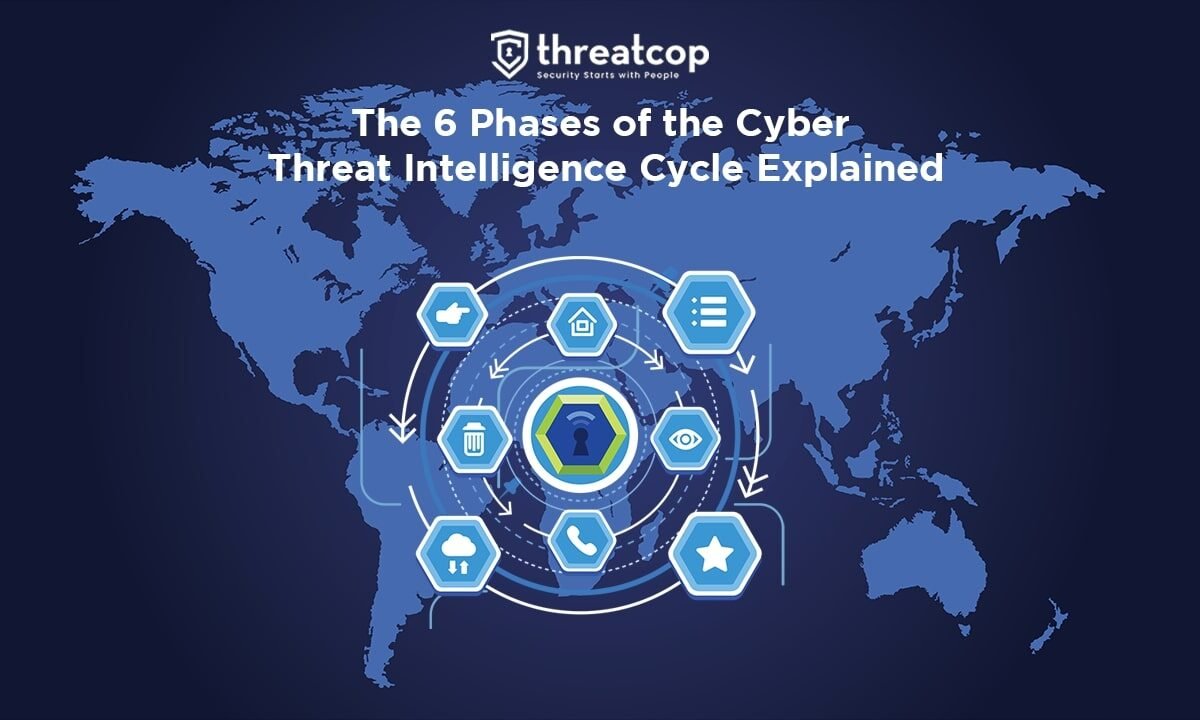
The Threat Intelligence Lifecycle
Most organizations follow a structured process similar to frameworks recommended by National Institute of Standards and Technology.
1️⃣ Planning
Define intelligence goals and identify assets to protect.
2️⃣ Collection
Gather data from logs, threat feeds, OSINT sources, and monitoring tools.
3️⃣ Processing
Filter, organize, and normalize collected data.
4️⃣ Analysis
Identify patterns, indicators, and potential risks.
5️⃣ Dissemination
Deliver insights to decision-makers and security teams.
6️⃣ Feedback
Continuously refine intelligence processes.
Types of Threat Intelligence
Strategic Intelligence
High-level insights for executives about global cyber trends and risks.
Tactical Intelligence
Focuses on attacker tactics, techniques, and procedures (TTPs).
Operational Intelligence
Details about active campaigns and threat actors.
Technical Intelligence
Machine-readable indicators such as:
- Malicious IP addresses
- File hashes
- Suspicious domains
Each type supports different levels of decision-making.
Sources of Threat Intelligence
Organizations gather threat data from multiple sources:
- Internal network logs
- Security monitoring systems
- Open-source intelligence (OSINT)
- Dark web monitoring
- Industry information-sharing groups
- Government advisories
Frameworks such as MITRE ATT&CK help analysts map attacker behavior patterns.
Threat Intelligence Tools & Platforms
Modern threat intelligence platforms aggregate data, automate analysis, and provide alerts.
Leading solutions include:
- Recorded Future — Real-time threat analytics
- CrowdStrike — Endpoint intelligence and monitoring
- Mandiant — Incident response and threat intelligence
These tools reduce detection time and improve response accuracy.
Benefits of Threat Intelligence
✅ Proactive Defense
Identify threats before they exploit vulnerabilities.
✅ Faster Incident Response
Detect attacks early and limit damage.
✅ Better Security Investments
Focus resources on real threats rather than hypothetical risks.
✅ Stronger Risk Management
Understand attacker motivations and capabilities.
✅ Regulatory Compliance
Support cybersecurity compliance requirements.
Threat Intelligence vs Traditional Security
| Traditional Security | Threat Intelligence |
|---|---|
| Reactive | Proactive |
| Firewall-focused | Behavior-focused |
| Limited context | Rich threat context |
| Static defenses | Adaptive defenses |
Threat intelligence adds depth, strategy, and prediction to cybersecurity.
Challenges Organizations Face
Despite its benefits, threat intelligence has challenges:
⚠️ Data Overload
Large volumes of threat data can overwhelm teams.
⚠️ Skill Shortage
Cybersecurity analysts are in high demand globally.
⚠️ False Positives
Not every alert represents a real threat.
⚠️ Integration Issues
Combining intelligence tools with existing systems can be complex.
Proper implementation and training are essential.
Emerging Trends in Threat Intelligence
🤖 AI-Powered Detection
Machine learning analyzes threats faster than humans.
🌐 Real-Time Intelligence Feeds
Instant updates help organizations respond immediately.
🤝 Intelligence Sharing Networks
Industries collaborate to defend against common threats.
🔍 Dark Web Monitoring
Organizations monitor underground forums for early warnings.
How Businesses Can Implement Threat Intelligence
To successfully deploy threat intelligence:
- Identify critical assets and vulnerabilities
- Deploy monitoring and detection tools
- Integrate intelligence feeds into security systems
- Train security teams
- Establish incident response procedures
- Continuously update threat models
Threat intelligence works best when integrated into overall cybersecurity strategy.
Real-World Use Case Example
A financial institution monitoring threat intelligence feeds detects leaked credentials on a dark web forum. Because of early detection:
- Password resets are triggered immediately
- Suspicious logins are blocked
- Attack attempts fail
Without threat intelligence, the breach might have succeeded.
Final Thoughts
Threat intelligence is no longer a luxury — it’s a necessity.
In a world where cyber threats evolve daily, organizations must shift from reactive defense to proactive security. By leveraging real-time data, advanced analytics, and strategic insight, threat intelligence empowers businesses to detect risks early, respond faster, and build long-term cyber resilience.
In cybersecurity, knowledge isn’t just power — it’s protection.
SEO FAQs
Q: What is threat intelligence in cybersecurity?
Threat intelligence is analyzed data that helps organizations anticipate and prevent cyberattacks.
Q: Who uses threat intelligence?
Enterprises, governments, financial institutions, and security teams use it to improve defense strategies.
Q: What are indicators of compromise (IOCs)?
IOCs are data points like suspicious IP addresses or file hashes used to identify threats.
Q: Is threat intelligence only for large companies?
No. Small and medium businesses can also benefit from threat intelligence tools and services.