

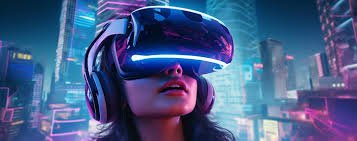
The internet is evolving. What began as static web pages in the early days of the web has transformed into highly interactive platforms, social networks, cloud applications, and digital economies. Now, a new phase of digital innovation is emerging through Web3 and the Metaverse.
Web3 aims to create a decentralized internet where users have greater control over their data, digital identities, and online assets. At the same time, the Metaverse is redefining how people interact in virtual environments by combining immersive technologies such as Virtual Reality (VR), Augmented Reality (AR), blockchain, and digital ownership.
Together, Web3 and the Metaverse represent a vision of a more open, interconnected, and user-owned digital future.
This article explores the foundations of Web3 and the Metaverse, their technologies, applications, benefits, challenges, and the future of these transformative innovations.
🌍 What is Web3?
Web3 refers to the next generation of the internet built on decentralized technologies such as blockchain.
Unlike traditional web platforms where large companies control user data and services, Web3 aims to give users ownership and control through decentralized networks.
Key characteristics of Web3 include:
- Decentralization
- Digital ownership
- Blockchain-based applications
- Tokenized economies
- Enhanced privacy
- Community governance
Web3 seeks to reduce reliance on centralized intermediaries and empower users directly.
🏗️ Evolution of the Web
Web1: The Read-Only Internet
The first generation of the internet focused on static websites and content consumption.
Features included:
- Basic websites
- Limited user interaction
- Information sharing
Web2: The Social Internet
Web2 introduced:
- Social media
- User-generated content
- Mobile applications
- Cloud computing
While Web2 created unprecedented connectivity, it also concentrated control within a small number of technology companies.
Web3: The Decentralized Internet
Web3 introduces:
- Blockchain technology
- Smart contracts
- Cryptocurrency payments
- Decentralized applications (dApps)
- Community governance systems
Users can directly participate in digital ecosystems without traditional intermediaries.
🪙 The Role of Blockchain in Web3
Blockchain serves as the foundation of Web3.
A blockchain is a decentralized digital ledger that records transactions securely and transparently.
Popular blockchain networks include:
- Bitcoin
- Ethereum
Blockchain enables:
- Digital ownership
- Secure transactions
- Smart contracts
- Decentralized applications
📜 Smart Contracts
Smart contracts are self-executing programs stored on a blockchain.
They automatically perform actions when predefined conditions are met.
Applications include:
- Decentralized finance (DeFi)
- NFT marketplaces
- Gaming platforms
- Digital identity systems
Smart contracts reduce the need for intermediaries and increase transparency.
🏛️ What is the Metaverse?
The Metaverse refers to immersive digital environments where users can interact, work, socialize, play, and conduct business using digital avatars.
The concept combines:
- Virtual Reality (VR)
- Augmented Reality (AR)
- Artificial Intelligence (AI)
- Blockchain technology
- Digital economies
The Metaverse seeks to create persistent virtual worlds that blend digital and physical experiences.
🥽 Core Technologies Powering the Metaverse
Virtual Reality (VR)
VR creates fully immersive digital experiences.
Users interact through:
- VR headsets
- Motion controllers
- Virtual environments
Applications include gaming, education, training, and collaboration.
Augmented Reality (AR)
AR overlays digital content onto the physical world.
Examples include:
- Interactive navigation
- Retail visualization
- Educational experiences
AR helps bridge the gap between physical and digital environments.
Artificial Intelligence
AI powers:
- Virtual assistants
- Digital avatars
- Personalized experiences
- Automated interactions
AI enhances realism and engagement within virtual environments.
🎮 Metaverse Applications
The Metaverse extends beyond gaming and entertainment.
🎮 Gaming
Players can:
- Own virtual assets
- Trade digital goods
- Participate in decentralized economies
Gaming remains one of the largest drivers of Metaverse adoption.
🏢 Virtual Workspaces
Organizations are exploring virtual offices and collaboration environments.
Benefits include:
- Global accessibility
- Interactive meetings
- Enhanced remote teamwork
🎓 Education & Training
Virtual learning environments can provide immersive educational experiences.
Applications include:
- Technical training
- Simulations
- Remote learning
🛍️ Virtual Commerce
Businesses are creating digital stores and virtual shopping experiences.
Consumers can:
- Browse virtual products
- Purchase digital goods
- Interact with brands in immersive environments
🖼️ NFTs and Digital Ownership
Non-Fungible Tokens (NFTs) play a key role in Web3 and the Metaverse.
NFTs represent ownership of unique digital assets such as:
- Artwork
- Music
- Virtual land
- Collectibles
- Gaming items
Blockchain technology enables verifiable ownership and transferability.
🏦 Web3 and Decentralized Finance (DeFi)
DeFi provides financial services without traditional banks.
Users can:
- Lend assets
- Borrow funds
- Trade cryptocurrencies
- Earn yield
Web3 integrates DeFi directly into decentralized ecosystems.
🌍 Benefits of Web3 and the Metaverse
🔓 Greater User Ownership
Users maintain control over digital assets and identities.
🌐 Decentralization
Reduced dependence on centralized organizations.
💸 New Economic Opportunities
Creators and businesses can participate in digital economies.
🤝 Enhanced Digital Collaboration
Virtual environments support global interaction and teamwork.
🎨 Creator Empowerment
Artists, developers, and creators gain more direct access to audiences.
⚠️ Challenges Facing Web3 and the Metaverse
Despite their potential, several challenges remain.
🔐 Security Risks
Smart contract vulnerabilities and scams remain concerns.
⚖️ Regulatory Uncertainty
Governments continue developing frameworks for blockchain and virtual economies.
💻 Hardware Limitations
High-quality immersive experiences often require expensive devices.
🌐 Scalability Issues
Some blockchain networks still face performance and transaction cost challenges.
🔒 Privacy Concerns
Managing user data and digital identities remains a complex issue.
🌍 Global Adoption Trends
Web3 and Metaverse adoption is growing worldwide.
Key drivers include:
- Digital ownership
- Online communities
- Virtual commerce
- Gaming ecosystems
- Blockchain innovation
Emerging markets are increasingly participating through mobile-first platforms and decentralized financial services.
🔮 Future Trends in Web3 and the Metaverse
🌐 Interconnected Virtual Worlds
Future Metaverse environments may become more connected and interoperable.
🧠 AI-Powered Virtual Experiences
AI will create smarter, more personalized virtual interactions.
💳 Integrated Digital Economies
Virtual and physical economies may become increasingly interconnected.
🏢 Enterprise Metaverse Adoption
Businesses will continue exploring virtual collaboration and training solutions.
🔑 Decentralized Digital Identity
Users may gain greater control over personal information and online authentication.
📋 How to Get Started with Web3
If you’re new to Web3, consider these steps:
✅ Learn Blockchain Fundamentals
Understand how decentralized networks operate.
✅ Set Up a Crypto Wallet
Learn how digital wallets work and how to secure them.
✅ Explore Decentralized Applications
Try reputable Web3 platforms and services.
✅ Research Before Investing
Understand risks before purchasing cryptocurrencies or NFTs.
✅ Prioritize Security
Protect private keys and avoid suspicious projects.
🏁 Final Thoughts
Web3 and the Metaverse represent some of the most ambitious visions for the future of the internet. By combining blockchain technology, digital ownership, decentralized finance, immersive experiences, and AI-powered interactions, these innovations aim to create more open, interactive, and user-controlled digital ecosystems.
While challenges related to scalability, security, regulation, and adoption remain, investment and innovation in these areas continue to accelerate. Businesses, developers, creators, and consumers are actively exploring how decentralized technologies and virtual environments can transform communication, commerce, entertainment, and work.
As technology advances, Web3 and the Metaverse may play a significant role in shaping the next era of the internet and digital society.